
Last updated November 20, 2026
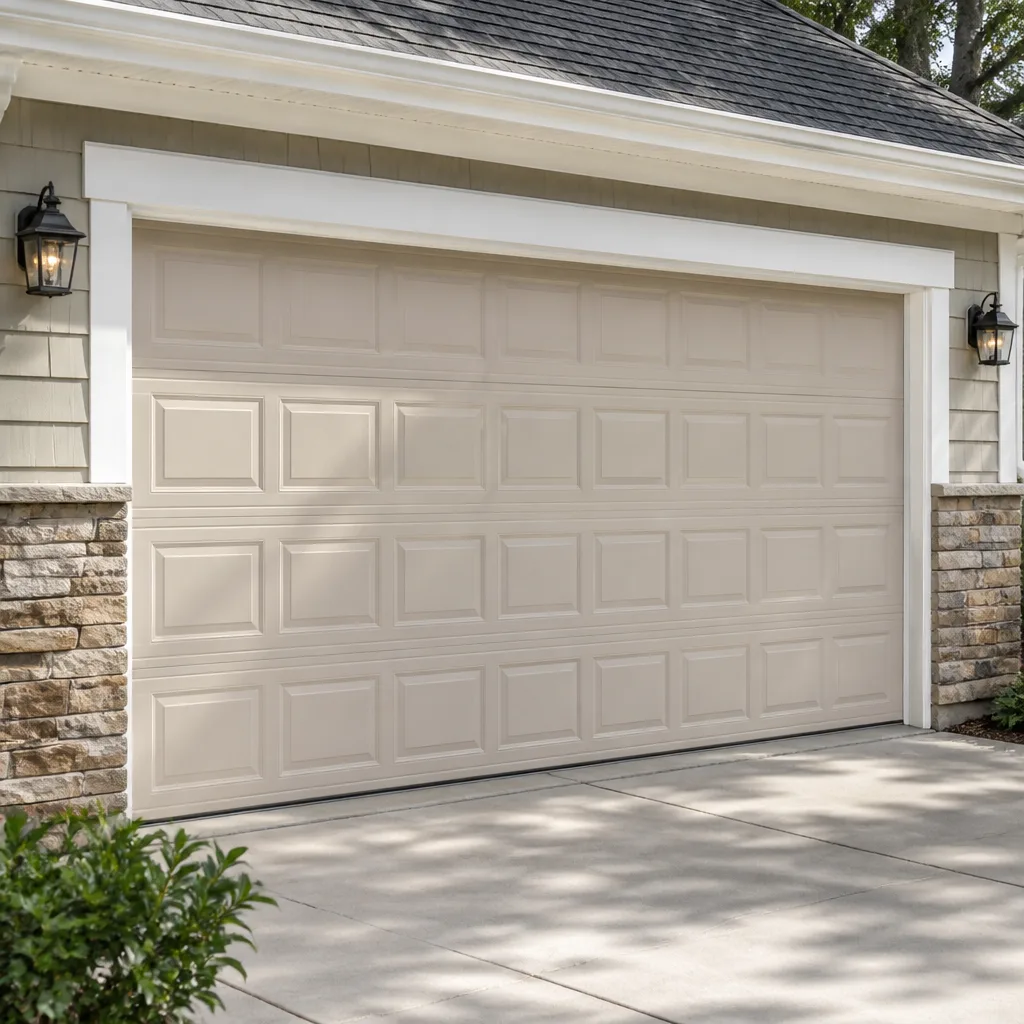 Raised-panel steel
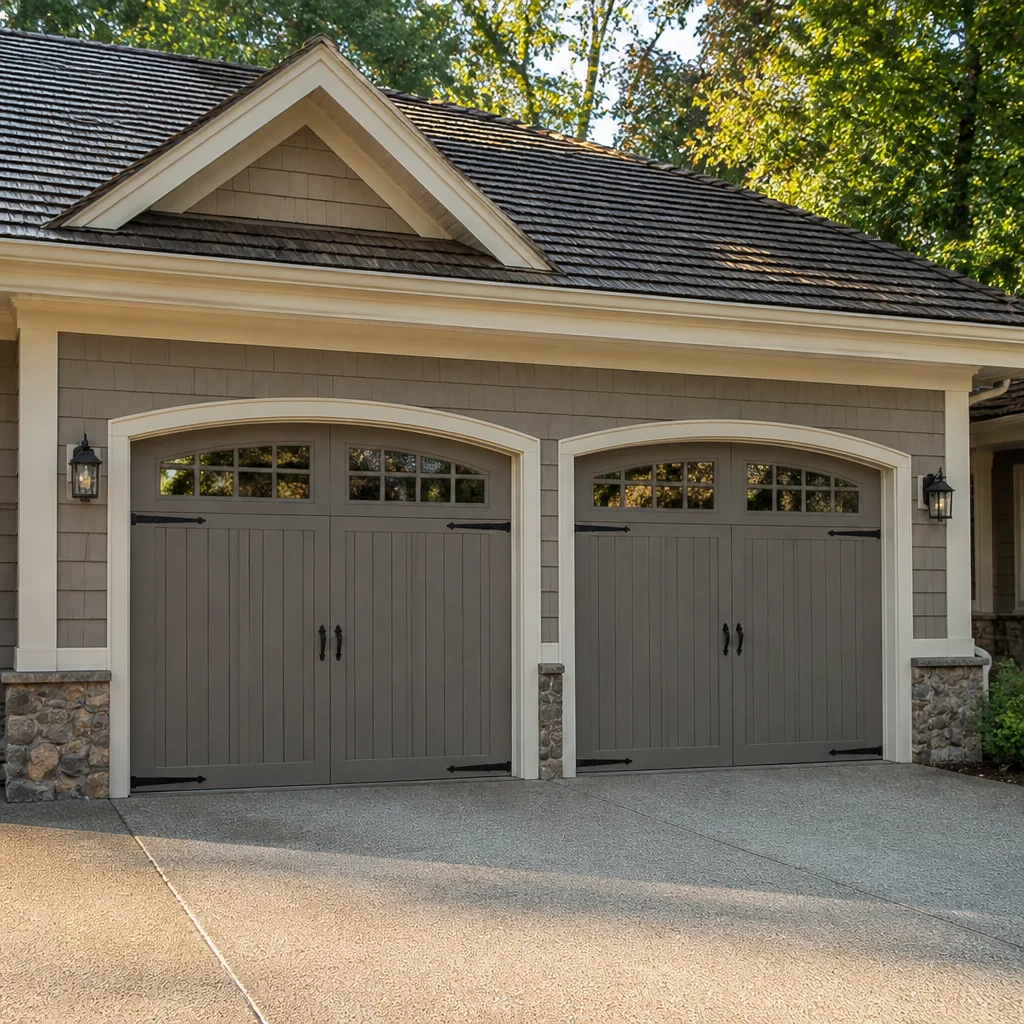 Carriage house
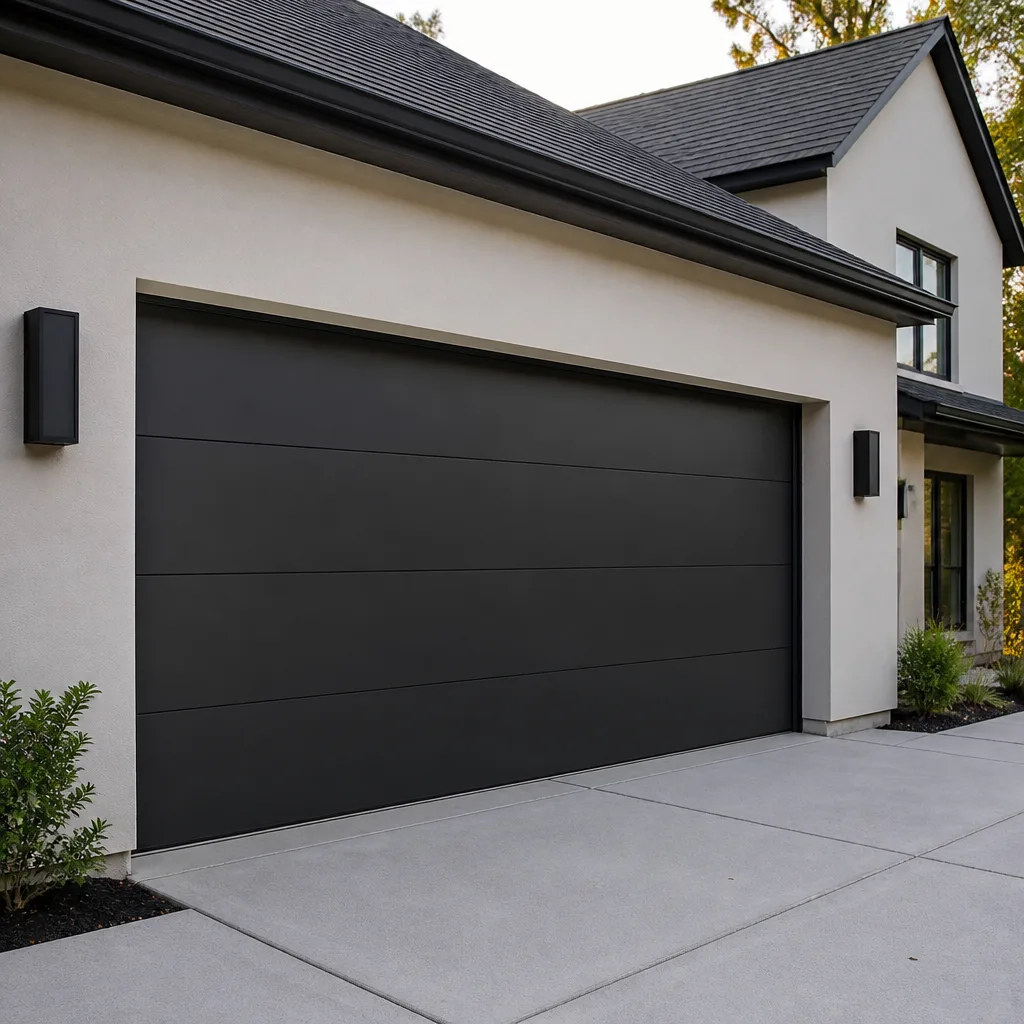 Modern flush
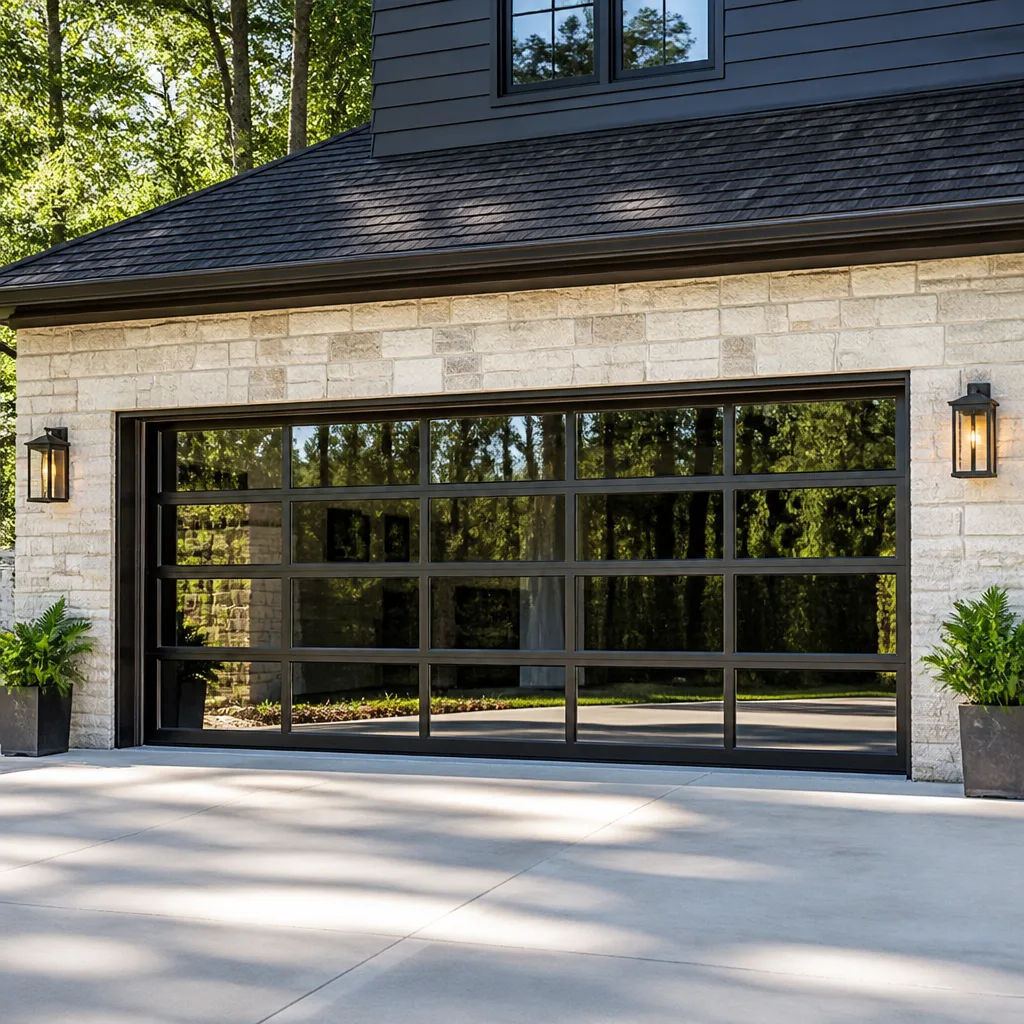 Full-view glass
 LiftMaster openers
 Chamberlain openers
Full 25-point door and opener safety check with every visit - springs, cables, rollers, tracks, and your LiftMaster or Chamberlain opener included
You get a price before we start. It does not change when the pro arrives.
Get your free estimateSeasonal Garage Door Care for Meridian-Kessler: Year-Round Homeowner’s Guide
Most homeowners in Meridian-Kessler assume a garage door breaks because it got old. That’s rarely the story. The torsion spring that snaps on a cold February morning didn’t fail because of the cold – it failed because the tension was set wrong back in October, back when nobody thought about it, and the metal spent all winter contracting around that accumulated stress. Indianapolis puts a garage door through four mechanically different stress regimes every year, and each one attacks a different component. This guide maps each season to the exact part it stresses, shows you the twenty-minute task that prevents the most common failure, and explains when something needs a trained technician rather than a can of lubricant. It’s written for Meridian-Kessler because these old detached garages ask more of their doors than newer builds do.
Quick Answer
The single most valuable seasonal task on a Meridian-Kessler garage door is adjusting spring tension in fall, before the first freeze, because thermal contraction in winter will tighten an already-correct spring into dangerous overwind territory. Beyond that, winter calls for low-temperature lubricant on the tracks and hinges, spring calls for checking whether freeze-thaw heave has shifted the floor slab and misaligned the bottom bracket, and summer calls for inspecting UV-degraded weatherstripping. Do those four things consistently and you’ll catch the components that fail most often in each weather window before they take the whole system down.
Styles & brands we work with
- Raised-panel steel
- Carriage house
- Modern flush
- Full-view glass
- LiftMaster openers
- Chamberlain openers
Table of Contents
- Why Meridian-Kessler Doors Face Four Separate Stress Regimes
- Fall: The Only Season to Adjust Spring Tension
- Winter: Lubricant That Survives a Midwest Cold Snap
- Spring: Freeze-Thaw Heave and the Bottom Bracket
- Summer: UV Degradation and Your Weatherstripping
- The One Task Per Season That Lowers Your Emergency Risk
- What Older Meridian-Kessler Garages Ask of Their Doors
- Your Year-Round Maintenance Calendar
Why Meridian-Kessler Doors Face Four Separate Stress Regimes
A garage door isn’t one machine. It’s a stack of components – torsion or extension springs, cables, rollers, hinges, a bottom bracket, weatherstripping, a track system, and an opener with its own motor, gears, and safety sensors. Each of those components responds to temperature and humidity differently. That’s the core problem with treating “garage door maintenance” as one annual event. What helps a spring in October can work against you in July.
Indianapolis gives us genuine seasonal contrast. Summer arrives hot and humid, the kind of stretch where the air stays heavy for days. Winter brings hard freezes and wind chills that drop well below zero. Between them, the shoulder seasons toggle back and forth, and that constant freeze-thaw cycling moves the ground under your slab. Meridian-Kessler’s housing stock makes this more pronounced than you’d find in a newer subdivision. Many of these detached garages are unheated, which means the interior temperature tracks the outside air almost exactly. A heated attached garage stays relatively stable; a detached one doesn’t buffer anything.
What does that mean in practice? Metal expands in summer heat and contracts in winter cold. Steel springs lose tension as they warm and gain it as they cool. Vinyl weatherstripping loses plasticizers under summer UV and stiffens in winter. The floor slab heaves slightly with each freeze and settles with each thaw, and every one of those micro-movements nudges the bottom bracket and the track brackets that sit on it. Wooden framing in older garages swells in humid months and shrinks when the heat comes on.
In our experience, homeowners who break their care into four seasonal checkpoints catch problems one or two seasons before they become repairs. So this guide is organized by season rather than by component, because the season is what tells you which component is under the most stress right now.
Fall: The Only Season to Adjust Spring Tension
Fall is the only season in Meridian-Kessler where adjusting spring tension makes mechanical sense, because winter’s thermal contraction will tighten whatever tension you set. Think through the physics. A torsion spring delivers lifting force proportional to how many turns it’s wound. Wind it correctly in September at seventy degrees and the same spring carries more effective tension when the steel contracts in January. Set it correctly in January, and by July you’ve got a spring that’s delivering less lift than the door needs and an opener working harder than it should.
This is why the fall adjustment matters and the spring adjustment is a mistake. If you or a technician tune tension in May, you’re tuning for the wrong end of the year.
What fall maintenance on the door system looks like, in order:
- Run the door up and down a few times and listen. Grinding, scraping, or a door that pauses mid-travel tells you something before you touch anything.
- Check the balance. Pull the opener release and lift the door by hand to about waist height. A properly balanced door stays roughly where you leave it. One that drops fast is undertensioned; one that wants to fly up is overtensioned.
- Inspect the spring for rust, gaps in the coil, or a visible stretch. A torsion spring that has started to fail often shows a small gap near one end.
- Clean and lubricate the tracks, rollers, and hinges with a lubricant rated for cold weather, which we’ll get to in the winter section.
- Check that the bottom weather seal sits flat against the slab. Fall is a good time to catch gaps before cold air pours in all winter.
- Test the opener’s safety reversal. Put a piece of wood flat on the floor in the door’s path and close the door; it should reverse on contact.
Here’s the safety caveat every honest garage door specialist will give you: do not adjust torsion spring tension yourself. A wound torsion spring stores an enormous amount of energy, and the winding bars and technique required to release or add tension are not something to learn from a video. Extension springs carry the same risk. Fall is the season to have a technician check the spring, not the season to start turning set screws. If you notice a problem during your fall walkthrough, that’s the call to make. There’s more detail on the whole repair picture on our garage door repair page.
Winter: Lubricant That Survives a Midwest Cold Snap
Standard lithium grease stiffens in genuine cold. Around the point where wind chill drives temperatures to roughly ten below zero, ordinary lithium-based lubricant thickens enough that it stops flowing into the roller bearings and hinge pivots where you need it. Instead of a thin protective film, you get a waxy drag that makes the door work harder to travel. That extra resistance loads the opener motor and the springs, and it’s one reason doors feel sluggish on the coldest mornings.
The fix is straightforward: use a low-temperature lubricant formulated to stay fluid well below zero, or a silicone-based spray that doesn’t thicken the way grease does. On Meridian-Kessler’s many unheated detached garages, the interior temperature is essentially the outdoor temperature, so the lubricant has to work at whatever the weather throws at it. A silicone spray on the hinges, rollers, and the torsion spring itself (a light coat only, never a heavy buildup that attracts grit) handles the cold without gumming up.
What else to check in winter:
- The bottom seal. A cold, stiff seal doesn’t conform to the slab. If you can see light under the door, the seal has hardened and needs replacement before it cracks through.
- Track alignment. Cold contracts the metal slightly and can expose a track that was already a little loose. Rock the tracks gently; they shouldn’t move.
- The opener’s force setting. If the door needs more force to move in cold weather, that’s a symptom, not something to dial up on the opener. Increasing force to compensate for a stiff door is how openers and springs get damaged.
- Ice at the threshold. Meltwater that refreezes under the door can put upward pressure on the bottom section. Clear it rather than forcing the door down onto it.
Winter is also when a tired spring or frayed cable finally gives out, which is why the fall inspection carries so much weight. If something does fail, our garage door opener repair page covers opener-specific problems, and our main Garage Door Repair Meridian-Kessler page is the place to start for spring and cable work.
Spring: Freeze-Thaw Heave and the Bottom Bracket
Spring in central Indiana is a freeze-thaw machine. The ground thaws during the day and refreezes at night, and each cycle lifts and settles the soil slightly under your garage slab. Over a season, that movement can shift the slab by a fraction of an inch – small enough that you’d never notice it walking across the floor, but enough to matter when the bottom bracket and the track brackets are anchored to it. A bottom bracket that’s out of alignment pulls the cable off its straight path, and a cable running at an angle wears against the bracket edge. That’s the inspection step most homeowners skip, and it’s exactly the one that catches a cable before it snaps.
What to check as the ground thaws:
- Look at the gap between the bottom of the door and the slab across its full width. If it’s uneven – tight on one side, open on the other – the slab or the door has shifted.
- Inspect the bottom bracket where the cable attaches at each corner. Look for rust streaks, frayed strands on the cable, or a bracket that has pulled away from the door section.
- Check that both cables are under even tension. A slack cable on one side means the door is being pulled unevenly, which wears the rollers and the track.
- Run the door and watch the bottom section travel. It should move straight up; if it drifts to one side, the track alignment has changed.
- Check the rollers in the track for flat spots. A roller that’s stopped turning skids instead, and that’s a wear point you can fix before it damages the track.
Cables and bottom brackets are safety-critical. The cable is under heavy tension, and the bottom bracket is the anchor point that holds it. Never loosen or remove a bottom bracket to “straighten” it – the stored energy in the cable and springs will release the moment you do. This is the kind of check a trained eye does in a couple of minutes and a homeowner should do purely by looking. When we service spring repairs, torsion or extension, this alignment inspection is part of the job, because a new spring on a misaligned door just wears out faster.
Summer: UV Degradation and Your Weatherstripping
Indiana’s summer humidity and high sun do a number on vinyl weatherstripping. The UV exposure breaks down the plasticizers that keep vinyl flexible, and the humidity cycles the material through expansion and contraction. The result is a seal that goes from supple to stiff to cracked over the course of a few summers. Once it cracks, it stops sealing, and you get water intrusion, pests, and a door that lets conditioned air straight out.
How often should you replace it? A practical interval in this climate is every three to five years for the bottom seal and the perimeter seal on a door that faces full sun, sooner on the sides that get the most afternoon light. Check it each summer: run your hand along the seal and look for cracks, a chalky surface, or sections that have flattened and no longer spring back. A seal that leaves a light gap under the door has stopped doing its job regardless of how it looks.
Summer is also the season to check the things heat affects on the mechanical side:
- Track and hinge screws. Metal expands in heat, and fasteners that were tight in spring can loosen by August. A quick check with a screwdriver catches them.
- Opener motor temperature. A garage that bakes in summer sun makes the opener work harder. Keep the area around the motor clear and check that its vents aren’t blocked.
- Wooden door sections. If your Meridian-Kessler home has a wooden door, summer humidity swells the panels. Look for binding at the panel joints and finish any bare spots before fall.
- Safety sensor alignment. Sensors can drift in heat. The door should reverse when something crosses the beam; test it monthly.
Summer is also the smart season to plan a replacement rather than react to a failure in the cold. If your door is on its last legs, our garage door installation page walks through how new-door work is measured, ordered, and scheduled well ahead of the busy season.
The One Task Per Season That Lowers Your Emergency Risk
If you do nothing else, do these four things. Each one targets the component that fails most often in that weather window, so together they cover the highest-risk failure points across the year.
- Fall – balance and spring check. Test the door’s balance by hand and have a technician look at the spring tension before the first hard freeze. This is the adjustment that prevents the overwind risk that winter cold creates.
- Winter – cold-rated lubrication. Apply a silicone or low-temperature lubricant to hinges, rollers, and the spring so the door travels freely when the thermometer drops. A stiff, dry door loads the opener and the springs.
- Spring – bottom bracket and cable inspection. Look at the bottom corners for cable fray, rust, or a bracket that’s shifted with the slab. This is the check that catches a cable before it fails.
- Summer – weatherstripping inspection. Feel the seals for cracks and stiffness, and replace them before fall rain and winter cold find the gaps.
None of these take more than twenty minutes except the fall spring check, and that’s the one we recommend a specialist handle. The pattern matters more than any single task: a door that gets these four checkpoints is a door whose components get looked at in the season that stresses them, instead of after something breaks.
What Older Meridian-Kessler Garages Ask of Their Doors
The neighborhood’s detached garages were built for a different era of car and a different era of door. Many were framed in wood, which moves with the seasons – swelling in humid months, shrinking when the heat comes on – and that movement translates into track and bracket alignment drift over the years. An unheated detached garage doesn’t buffer outdoor temperature at all, so the door and its springs live through the full range of every season rather than a moderated version of it.
That combination – wooden framing that moves plus a full-exposure temperature swing – is why seasonal care pays off more here than it might in a newer subdivision with insulated attached garages. When we work on a door in Meridian-Kessler, we’re often checking and correcting alignment that’s drifted over many seasons, not just swapping a part.
The other thing older doors ask for is parts availability. A door that’s been on the house for decades may have hardware that’s no longer standard on new doors. We carry parts for direct sale, which means a repair isn’t stalled waiting on a shipment, and we service the eight brands most widely installed on homes like these: LiftMaster, Chamberlain, Genie, Clopay, Amarr, Wayne Dalton, Craftsman, and Raynor. That breadth matters most with older installed equipment, where a Raynor or a LiftMaster from a previous decade is still doing daily duty.
Your Year-Round Maintenance Calendar
Here’s the whole year on one page. Print it, stick it inside the garage door, and check each item off as the season turns.
| Season | Main Task | What It Protects |
|---|---|---|
| Fall | Balance test and spring tension check | Springs – prevents winter overwind |
| Fall | Clean and lubricate tracks, rollers, hinges | Opener and springs – smooth travel |
| Winter | Cold-rated silicone lubricant | Rollers, hinges, spring – free movement in cold |
| Winter | Bottom seal and track alignment check | Seal and track – stops drafts and drift |
| Spring | Bottom bracket and cable inspection | Cables – catches fray before failure |
| Spring | Roller and track straightness check | Rollers and track – prevents wear |
| Summer | Weatherstripping inspection and replacement | Seals – keeps water and pests out |
| Summer | Opener vents, fasteners, sensor test | Opener and safety sensors |
Set the four big checkpoints to the shoulder of each season and the smaller checks can ride along with them. The point of the calendar isn’t the number of tasks – it’s doing each one in the season where it actually protects something.
Common Mistakes to Avoid
- Adjusting spring tension in the wrong season. Setting tension correctly in summer means it’s wrong by winter. Fall is the only adjustment that makes sense, and even then it’s a technician’s job.
- Using standard lithium grease in winter. It stiffens in genuine cold and drags on the door. Switch to a silicone or low-temperature lubricant before the first freeze.
- Dialing up the opener’s force setting to compensate for a stiff door. The stiff door is the symptom. Increasing force masks it while the springs and motor take the strain.
- Skipping the bottom bracket and cable look in spring. This is the check homeowners most often skip, and it’s the one that catches a failing cable before it snaps.
- Ignoring cracked weatherstripping until winter. By the time you notice the draft in January, the seal has been failing all summer and letting moisture into the door sections.
- Trying to remove or straighten a bottom bracket. The stored energy in the cable can release without warning. This is never a homeowner task.
- Assuming a detached garage is “out of the weather.” In Meridian-Kessler, it isn’t. An unheated detached garage exposes the door to the full seasonal swing.
See the difference
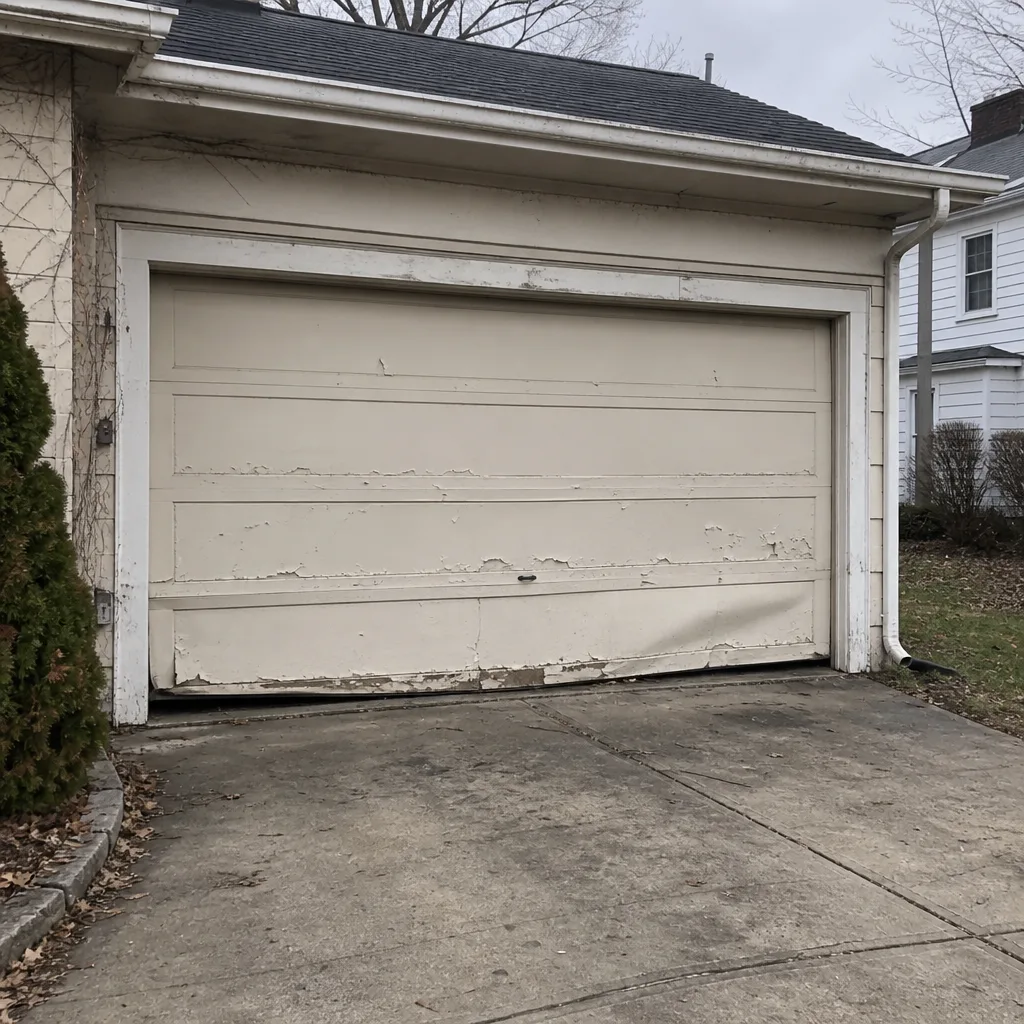 Before
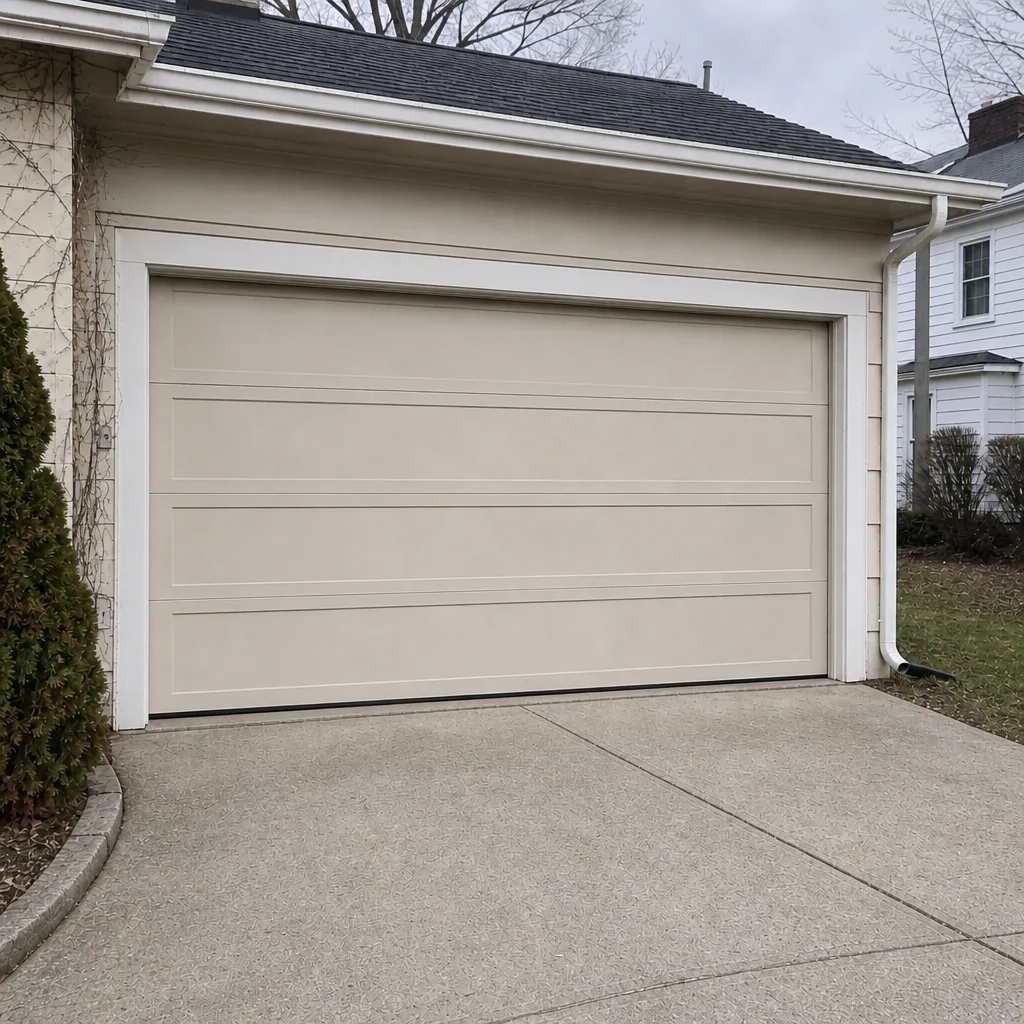 After
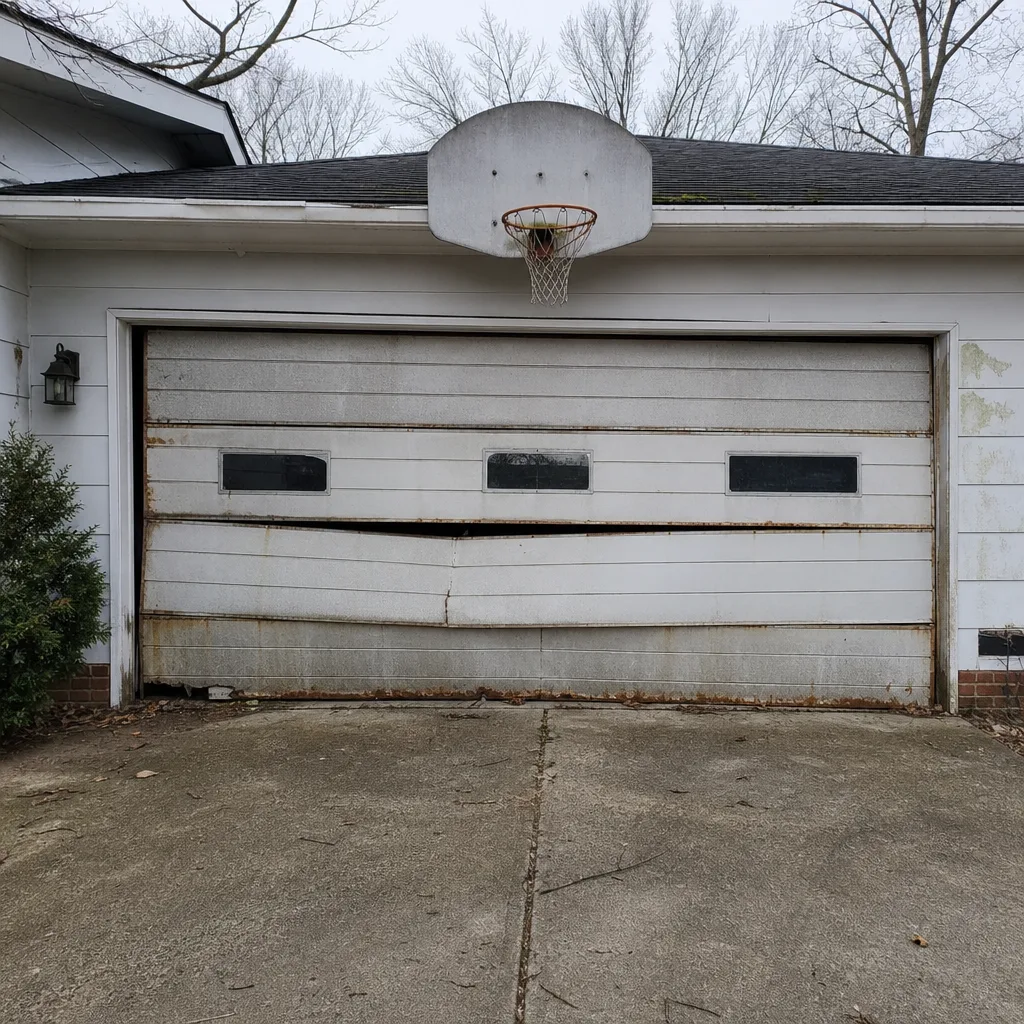 Before
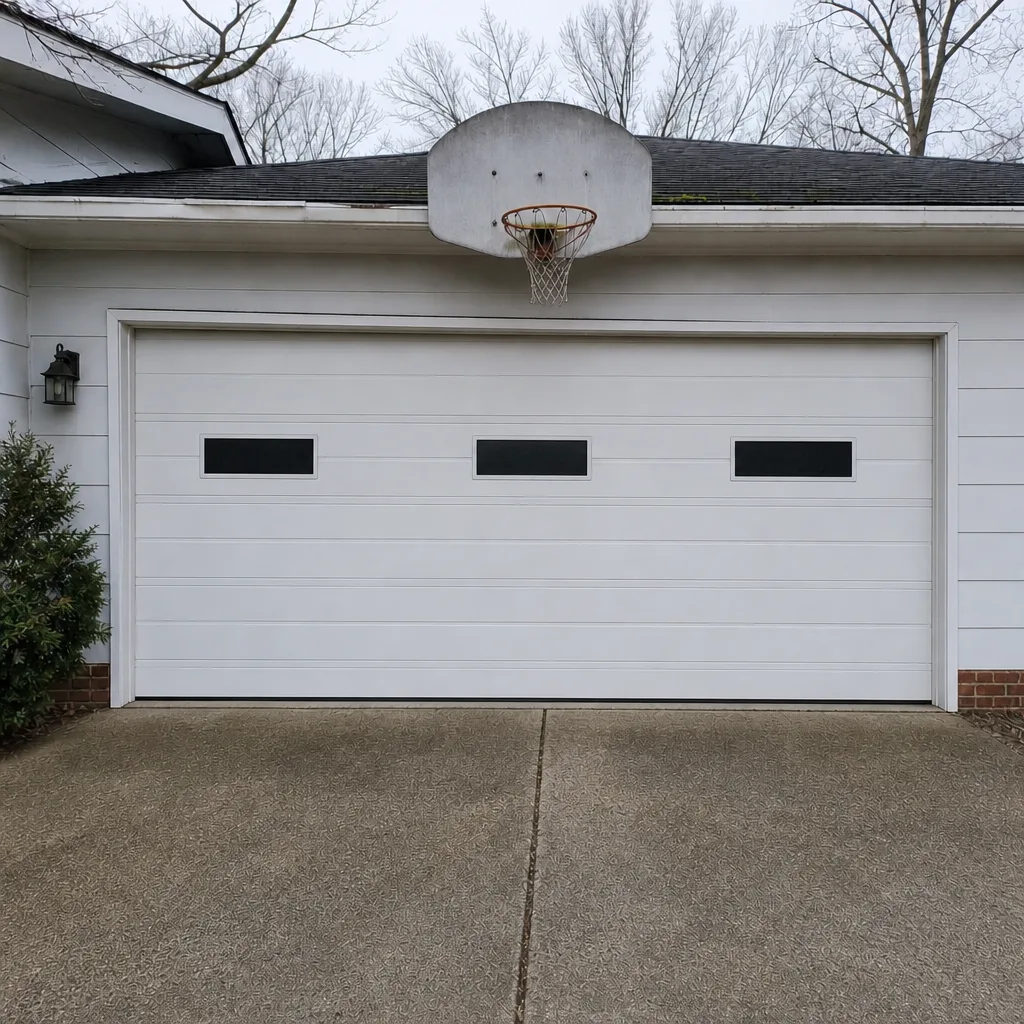 After
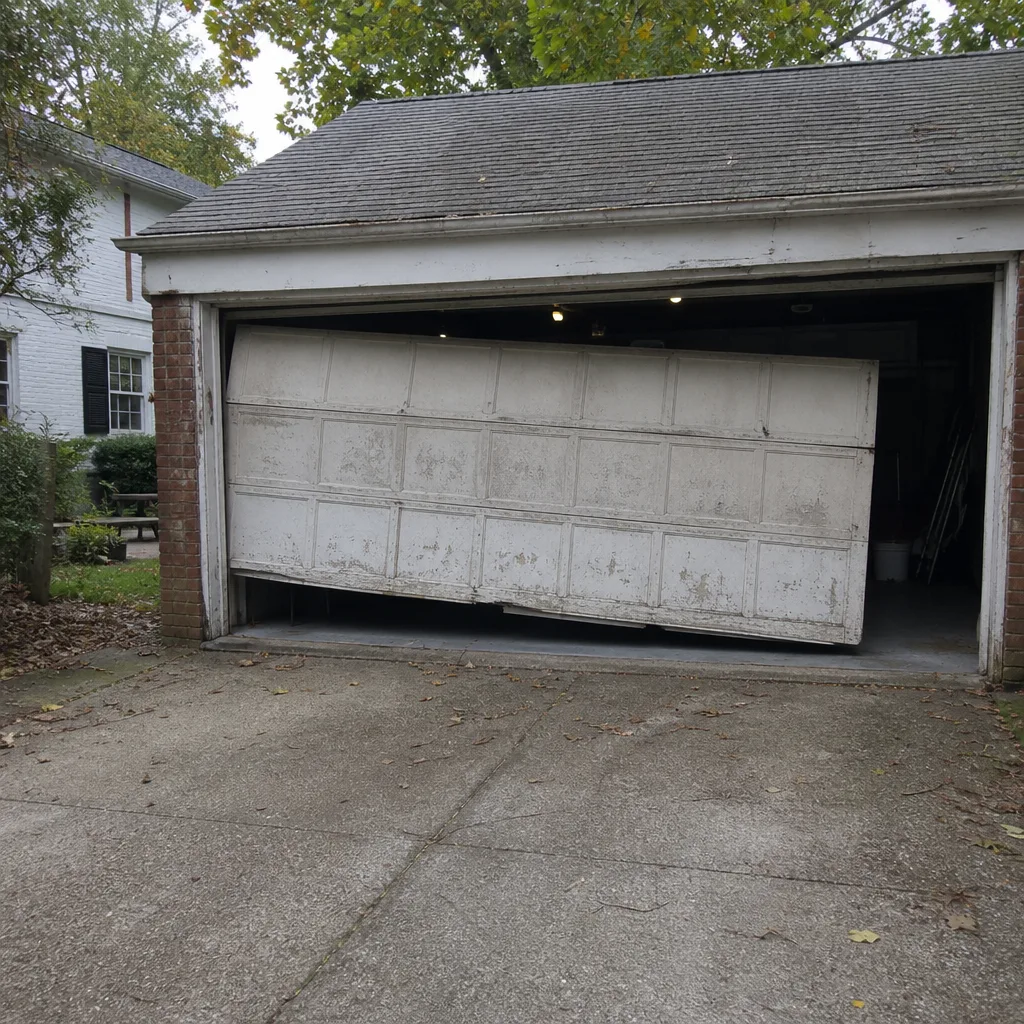 Before
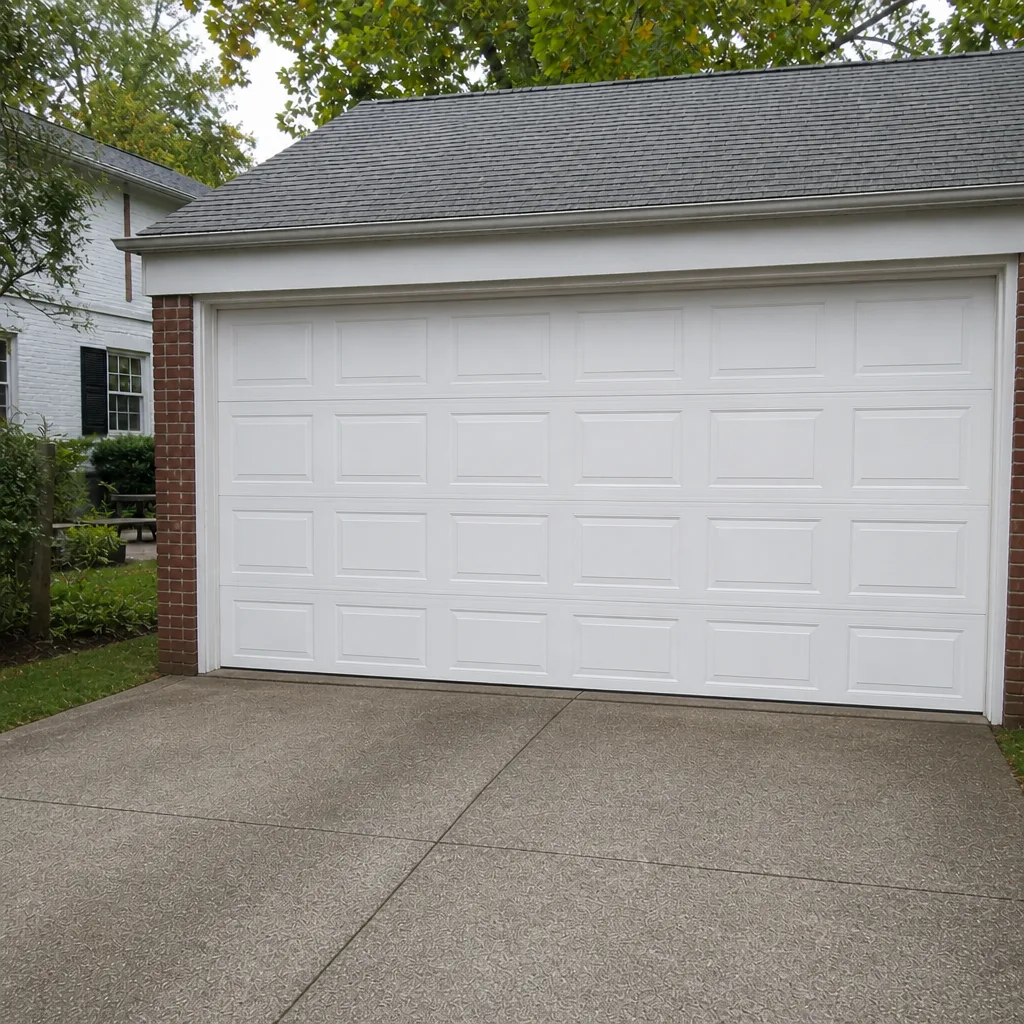 After
When to Call a Professional
Call a professional any time the issue involves a spring, a cable, or the bottom bracket. Those components store energy that can release without warning, and the injury risk is real. Call us when the door won’t balance, when you hear a bang from the garage and the door won’t lift, when a cable looks frayed or slack, when the door travels crooked, or when the opener runs but the door doesn’t move. Call us before winter if the fall balance test tells you the tension is off. Spring repair, torsion or extension, is a specialist job that general handyman services often decline for the same safety reason. Garage Door Repair Meridian-Kessler offers free estimates in Meridian-Kessler – call (877) 792-5753. Our technicians have up to 13 years of experience, we service the brand you already have, and the price is quoted and agreed in writing before any work starts.
Frequently Asked Questions
Fall, before the first hard freeze. Winter thermal contraction will tighten an already-correct spring into overwind territory, so fall is the only season where the adjustment lines up with the physics. The adjustment itself should be done by a trained technician – a wound torsion spring is under heavy load and releasing or adding tension takes the right tools and technique. If you suspect the tension is off, call (877) 792-5753 for a free estimate.
Use a silicone-based or low-temperature lubricant that stays fluid well below zero, not standard lithium grease. Around the point where wind chill drives temperatures well below zero, ordinary grease stiffens and turns into drag on the rollers, hinges, and spring. Apply a light coat to the hinges, rollers, and spring itself so the door travels freely on the coldest mornings.
Every three to five years in this climate, sooner on the sides that face full summer sun. Indiana’s UV exposure breaks down the plasticizers in vinyl and the humidity cycles it through expansion and contraction, so it stiffens and cracks over a few summers. Check it each summer and replace it once it leaves a light gap under the door.
Because the failure was building all year, and cold weather delivered the final load. Summer heat expands the steel, winter cold contracts it, and a spring that was set with too much tension in fall carries even more effective load when the temperature drops. The snap is the last step in a sequence that started with an inspection nobody did. Call (877) 792-5753 and we’ll come out to look.
Freeze-thaw heave shifting the floor slab, which misaligns the bottom bracket and the track brackets anchored to it. As the ground thaws and refreezes through the season, the slab moves slightly, and that shift shows up as an uneven gap or a door that travels crooked. It’s worth having it checked before the cable wears against the bracket edge. Call (877) 792-5753 for a free estimate.
Yes. We service LiftMaster, Chamberlain, Genie, Clopay, Amarr, Wayne Dalton, Craftsman, and Raynor, which covers the eight brands most widely installed on homes like these. We also carry parts for direct sale, so an older door’s repair isn’t stalled waiting on a shipment. We answer 24/7, and fast dispatch from 7am to 7pm gets a technician out to look. Call (877) 792-5753 for a free estimate.
The Bottom Line
Garage door maintenance in Meridian-Kessler is a four-part rhythm, not an annual event. Adjust spring tension in fall, before contraction makes it dangerous. Lubricate with a cold-rated product in winter, when stiff grease loads the whole system. Look at the bottom bracket and cable in spring, when the slab moves. Inspect the weatherstripping in summer, before UV and humidity finish it off. Do those four and you’re addressing the component that fails most often in each window, instead of waiting for a February morning to tell you what you missed. The parts that store energy – springs, cables, bottom brackets – stay in a professional’s hands.
If any season turns up a problem, or if you’d rather have a specialist do the whole yearly walkthrough, give us a call. Garage doors are all we do, we work on the brand you already have, and parts are on hand rather than on order. Garage Door Repair Meridian-Kessler offers free estimates in Meridian-Kessler – call (877) 792-5753 for a free estimate. We answer 24/7. Fast dispatch from 7am to 7pm, Sunday through Friday. The price is quoted and agreed before any work starts.
Written by the team at Garage Door Repair Meridian-Kessler.