
Last updated November 20, 2026
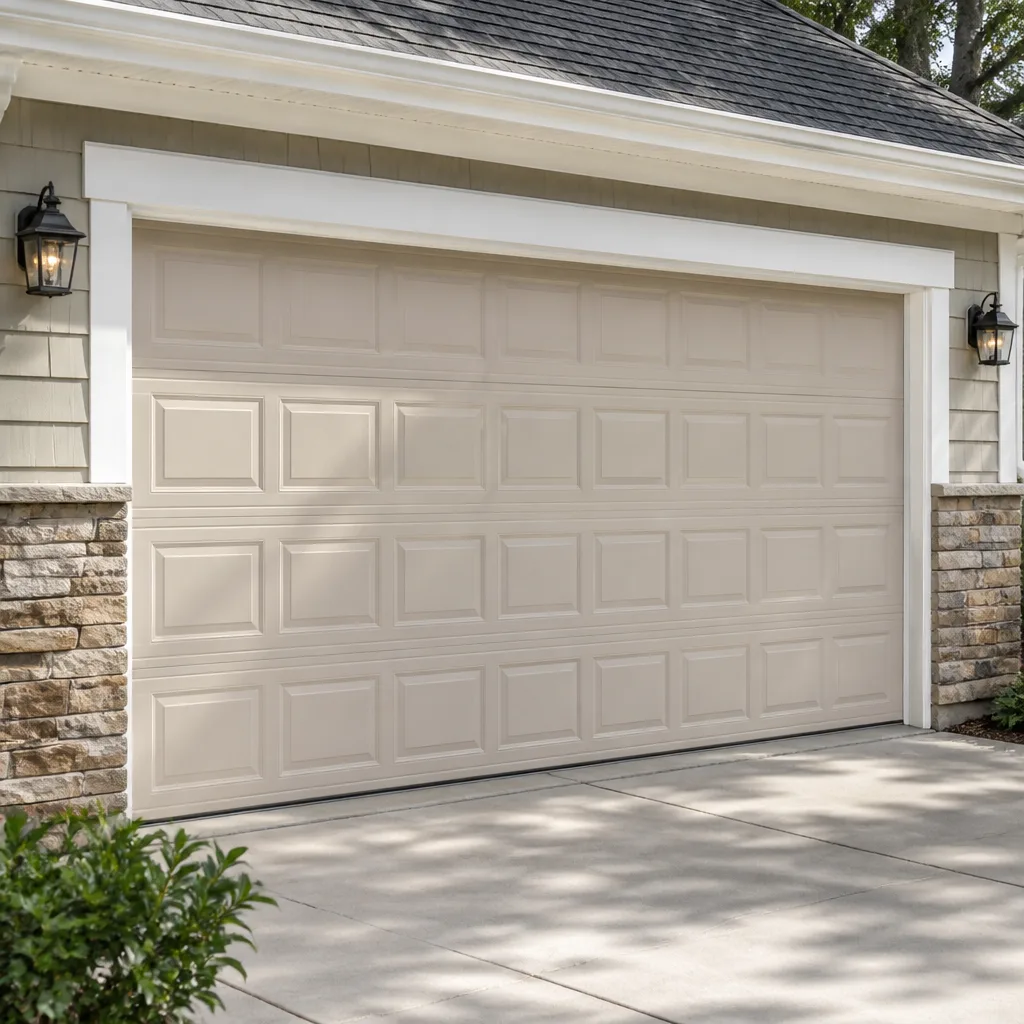 Raised-panel steel
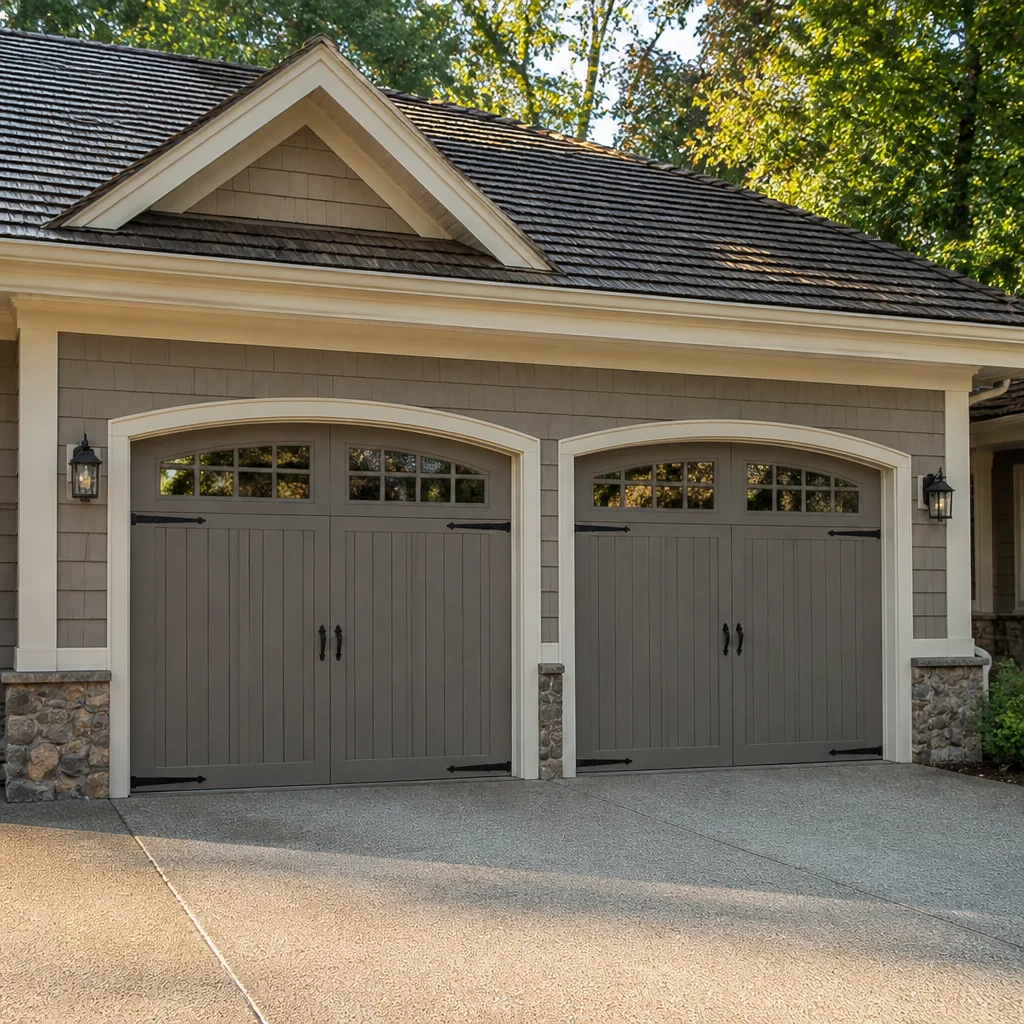 Carriage house
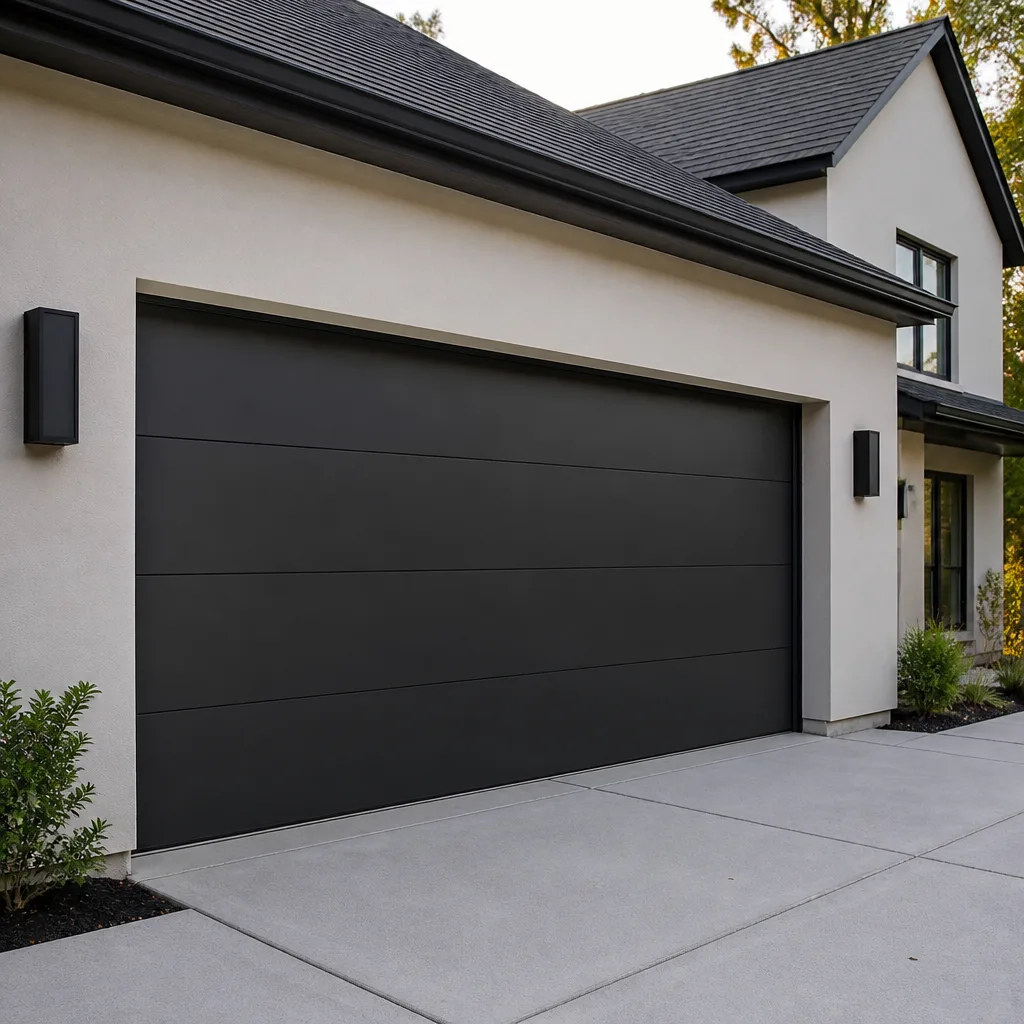 Modern flush
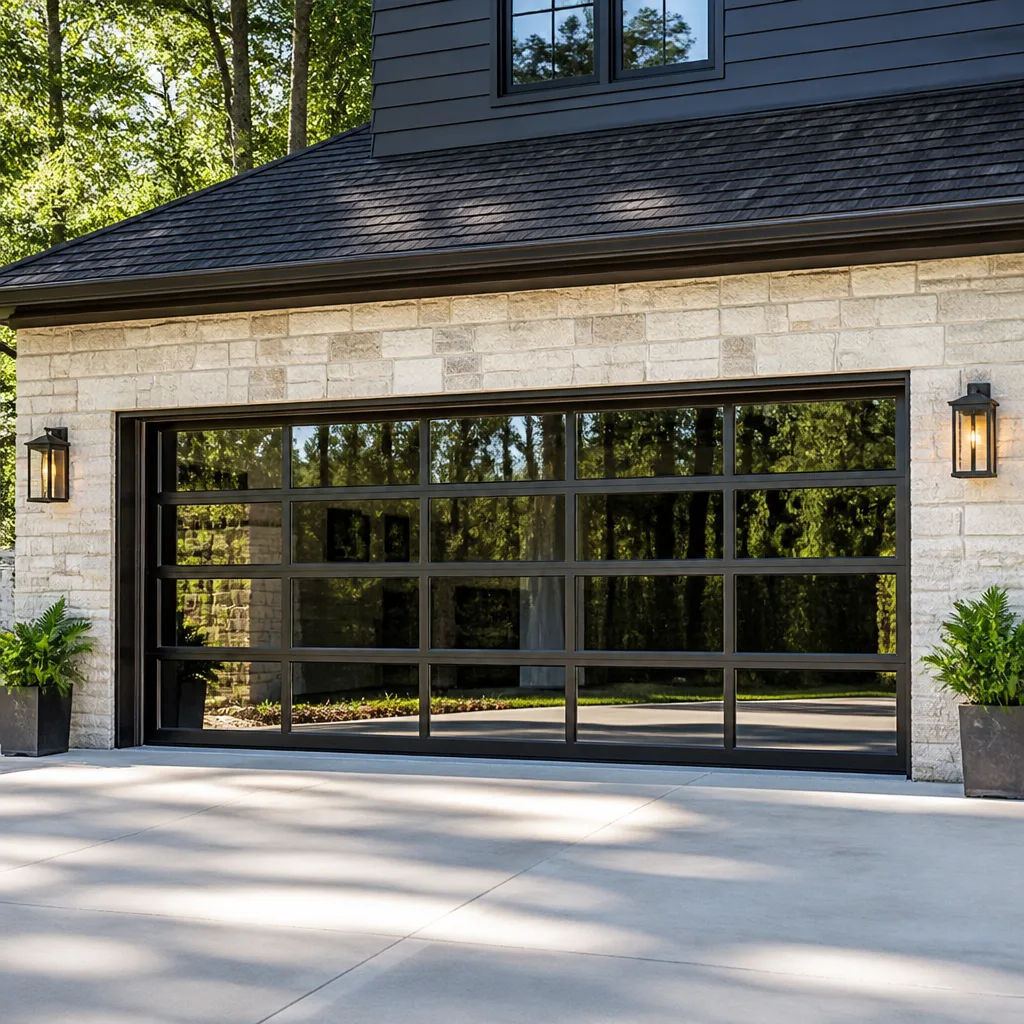 Full-view glass
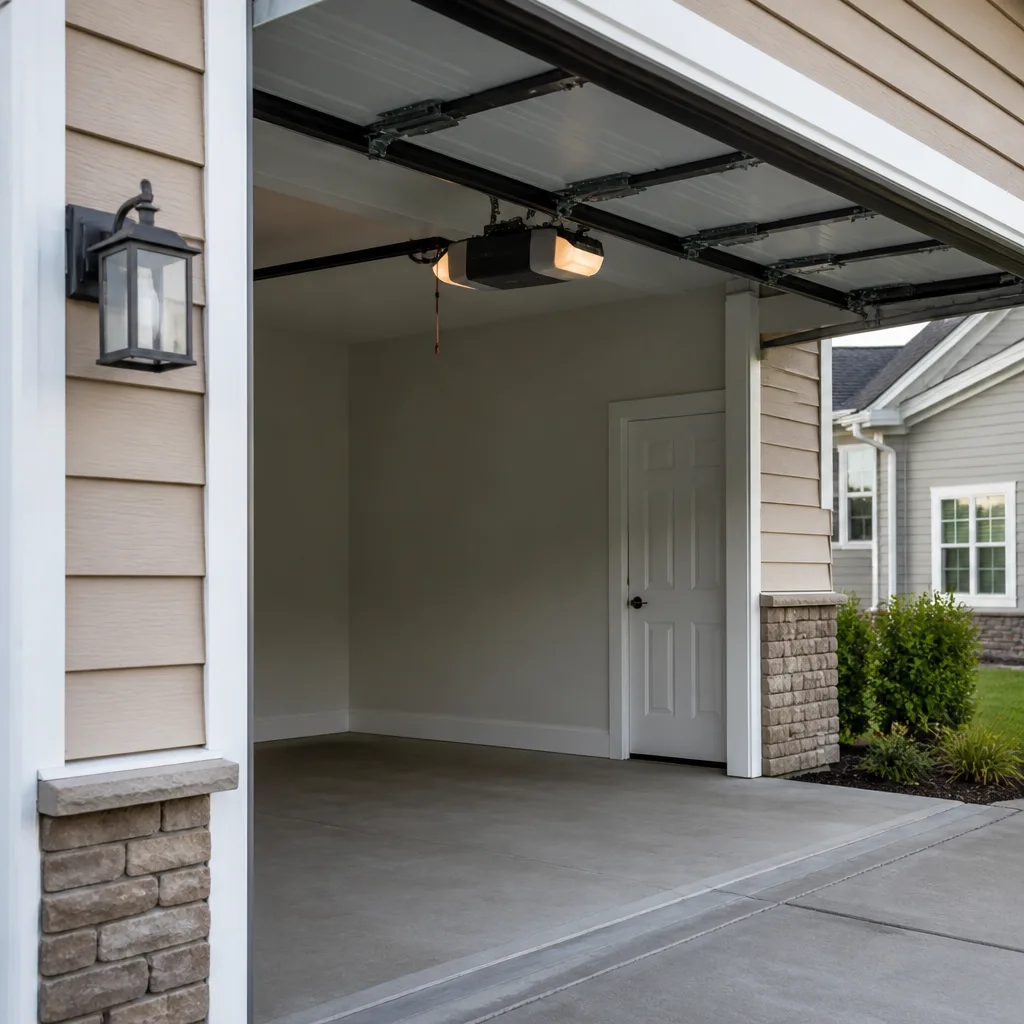 LiftMaster openers
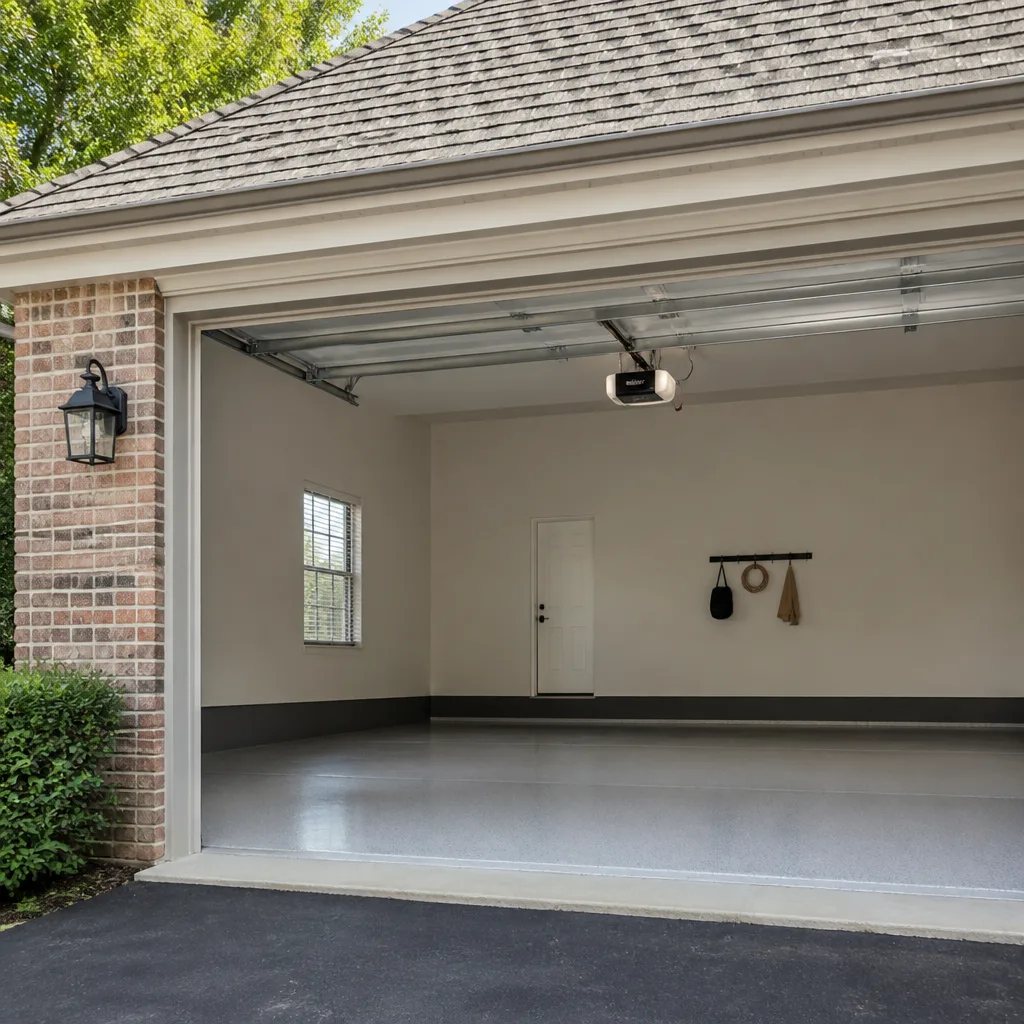 Chamberlain openers
Full 25-point door and opener safety check with every visit - springs, cables, rollers, tracks, and your LiftMaster or Chamberlain opener included
You get a price before we start. It does not change when the pro arrives.
Get your free estimateGarage Door Repair Maintenance Checklist for Meridian-Kessler Homeowners
Spraying WD-40 on a torsion spring is one of the most common mistakes we see in Meridian-Kessler, and it does quiet the squeak for a week. It also strips the corrosion-inhibiting coating off the coils and speeds up the exact rust cycle that Indiana winters push through an unheated garage. The right maintenance here isn’t a generic “lubricate moving parts” list copied from a national site. It’s a component-by-component routine that matches the age of the housing stock, the way these garages are built, and the way the seasons actually arrive in Meridian-Kessler. This guide gives you that routine: which lubricant goes where, what to inspect before the first freeze, the ten-second balance test, and the cable check that matters more than anything else on the page.
Quick Answer
A complete garage door maintenance checklist for Meridian-Kessler covers five things: lubricating hinges and rollers with white lithium grease, leaving torsion springs dry, inspecting the bottom seal before the first freeze, running a balance test to catch spring drift, and checking cable drums for fraying. Do the full inspection twice a year, once in early October and once in April, and spot-check the balance and seal monthly through winter.
Styles & brands we work with
- Raised-panel steel
- Carriage house
- Modern flush
- Full-view glass
- LiftMaster openers
- Chamberlain openers
Table of Contents
- Why Meridian-Kessler Garages Age Differently
- The Component-by-Component Lubrication Guide
- Inspecting the Bottom Seal Before the First Freeze
- The 10-Second Balance Test
- Cable Drum Inspection: The Highest-Consequence Item
- The Meridian-Kessler Seasonal Maintenance Schedule
- Opener Checks Most Checklists Skip
- Common Mistakes to Avoid
- When to Call a Professional
- Frequently Asked Questions
Why Meridian-Kessler Garages Age Differently
Meridian-Kessler is full of detached garages built decades before anyone worried about insulated doors or sealed slabs. Most of them sit at the end of a driveway, unheated, often uninsulated, and exposed to whatever the season throws at them. That construction detail is the reason a maintenance routine written for a climate-controlled attached garage doesn’t quite fit here. A Meridian-Kessler garage swings through real freeze-thaw cycles every winter, and the slab takes the worst of it.
The bigger factor is moisture. An unheated detached garage in Meridian-Kessler holds humidity longer than an attached one because it never gets the borrowed warmth from the house. That trapped moisture is what attacks steel components: hinges, rollers, track, cable, and spring coils. It’s also what makes a failing bottom seal so expensive over time. A split seal lets cold air and water sit against the slab, and repeated freeze-thaw at the door opening is what starts floor heave along the threshold. Homeowners in Meridian-Kessler notice the slab crack or the door start dragging before they connect it to a five-dollar rubber seal.
Different door brands also age at different rates, which is why we work on the brand you already have rather than steering you toward a replacement. A Craftsman opener from the 1990s and a Raynor door from the same era will show completely different wear patterns even in the same driveway. Our technicians have up to 13 years of experience across the eight most widely installed residential brands, including LiftMaster, Chamberlain, Genie, Clopay, Amarr, Wayne Dalton, Craftsman, and Raynor, so the inspection you get is matched to the hardware that’s actually on your door.
One more local reality: many Meridian-Kessler garages face east or west along the alleys and side streets, which means one side of the door takes hours of direct afternoon sun in summer and the other side sits in shade. That unequal exposure warps panels and dries out seals unevenly. When you inspect, look at both sides of the door, not just the one you walk past.
The Component-by-Component Lubrication Guide
Most maintenance guides say “lubricate moving parts” and stop there. That advice is nearly useless, because the wrong lubricant on the wrong component does real damage. Here’s exactly what goes where on a residential garage door.
What to use, and where
- Hinges and rollers: white lithium grease. A light spray on each hinge knuckle and a drop at each roller stem is enough. White lithium stays put through the temperature swings better than oil, which migrates and collects grit.
- Lock cylinders and keyed handles: 3-in-1 oil, applied sparingly. A couple of drops in the keyway, then work the key a few times. Never grease a lock cylinder; grease traps dirt and the key starts to stick.
- Track: nothing. Tracks are meant to run dry. Grease on a track grabs dust and grit, and grit is what chews up rollers. Wipe the track with a dry cloth instead.
- Torsion springs: nothing. This is the big one. Springs carry a factory-applied coating that resists corrosion, and most spray lubricants strip it. Once that coating is gone, the coil starts rusting from the inside, and a rusted spring is a spring that will snap.
- Extension springs: nothing, and never touch the springs or their safety cables while the door is under tension.
How to apply it without doing harm
- Close the door fully and, if your opener has one, pull the release so the door is on manual.
- Wipe each hinge and roller stem with a dry rag first. Lubricant on top of grit is worse than no lubricant.
- Apply white lithium grease to hinge knuckles and roller stems only, one section at a time.
- Put two drops of 3-in-1 oil in the lock cylinder and work the key.
- Leave the springs and the track alone. Wipe the track dry and check it for dents.
- Open and close the door by hand a few times to spread the grease evenly.
If your door has been squeaking loudly for months, the noise may not be a lubrication problem at all. A worn roller, a dry bearing plate, or a failing opener gear can all sound the same to a homeowner. That’s the point where a garage door opener repair visit makes more sense than another can of grease.
Inspecting the Bottom Seal Before the First Freeze
The bottom seal is the cheapest part on your door and the one that causes the most expensive damage when it fails. Check it in early October, before the first hard freeze, because a split seal going into winter is what lets water pool at the threshold and freeze against the slab. In an unheated Meridian-Kessler detached garage, that freeze-thaw is exactly what drives floor heave and the dragging door that follows.
What a healthy seal looks like
A good bottom seal sits flat against the floor with even compression along the whole width. Run your hand along the floor line from one side to the other. You should feel the rubber pressing down, not a gap you can slide a finger under. Look for the T-seal profile splitting at the corners first, since that’s where flexing stress concentrates. On older doors, the seal can look fine from the outside and be crumbling on the inside edge that faces the floor.
What to check before winter
- Splits and cracks: any tear longer than your thumb means the seal needs replacing before freeze season.
- Compression gaps: light visible under the door at any point means cold air and water are getting in.
- Hardness: rubber that has gone stiff and shiny has lost its ability to flex. It will crack at the first freeze.
- Slab contact: if the seal is fine but there’s a gap, the door may be out of adjustment, which is a different fix. Ask the city’s building department about permit questions if you’re replacing the door itself.
- Aluminum retainer: the channel that holds the seal can rust or bend over time. Look for flaking paint and pitting along it.
We stock garage door parts for direct sale, which matters here. When a bottom seal fails in late October and every hardware store is out of the right profile, a parts-on-hand supplier gets the job done before the first freeze instead of after it.
The 10-Second Balance Test
The balance test tells you whether your spring tension has drifted since last season, and it takes about ten seconds. Disconnect the opener by pulling the release cord so the door is on manual, lift the door to roughly waist height, and let go. A properly balanced door will sit there without help. If it drops, the springs have lost tension. If it rises on its own, the springs are too tight or the cable tension is off.
Spring tension drifts slowly, which is why homeowners in Meridian-Kessler often don’t notice it until the door stops opening all the way or the opener starts straining. Run this test the first week of every month from November through March. Cold shrinks metal slightly and stiffens grease, so a door that tested perfectly in September can start dropping by December.
What the results mean
- Door stays put at waist height: balanced, good.
- Door drifts down: spring tension is low. Don’t tighten it yourself; springs are under high tension and adjusting them is a genuine injury risk.
- Door rises on its own: springs are overtensioned or there’s a cable issue. Stop using the door and have it looked at.
- Door is hard to lift at all: something is binding. Check the track and rollers first, but if that doesn’t explain it, this is a spring call.
If the test shows drift, don’t wait for the spring to break. A spring under low tension still works until it snaps, and a snap in a Meridian-Kessler garage means the door comes down hard and the opener gets destroyed in the process. This is also the moment to ask whether a garage door repair visit makes more sense than waiting. Torsion and extension spring replacement is a job for a specialist, not a general handyman, and it’s the part of this checklist where the safety caveat is strongest: never try to wind, unwind, or adjust a spring yourself. Call a trained technician instead.
For a full breakdown of what spring replacement actually involves, see our guide to Garage Door Repair Meridian-Kessler.
Cable Drum Inspection: The Highest-Consequence Item
If you only inspect one thing on this checklist, inspect the cable drums. Springs get the attention because they snap loudly, but a cable that fails while the door is up is a more dangerous event because the door can drop unevenly. The good news is that cables give you warning before they fail, and the warning is visible to anyone willing to look.
Where to look
The cable drums sit at the top of the door on each side of the shaft, above the springs on a torsion system. Never put your hands near them while the door is under tension or while any part of the drum is under tension. Look, don’t touch. Use a flashlight from a safe standing position.
What warns you a cable is about to fail
- Fraying near the drum: individual wire strands sticking out at the point where the cable wraps are the clearest sign. Stop using the door and get it serviced.
- Kinks or birdcaging: a cable that has jumped its drum or kinked has already lost strength. Never let one of these continue running.
- Rust along the drum: heavy rust at the drum is where cables typically break first in Meridian-Kessler because the drum holds moisture in an unheated garage.
- Lopsided door travel: if one side lags visibly when you run the door, a cable may already be loose.
- Unusually loud creaking on one side: new noise from one drum is a warning, not a nuisance.
Cables and drums are high-tension components, and a wrong adjustment is dangerous. If you see any of these signs, leave the door down and call for a professional inspection rather than trying to tighten or re-seat the cable yourself.
The Meridian-Kessler Seasonal Maintenance Schedule
Most maintenance guides tell you to inspect “twice a year,” which ignores how the seasons actually hit an unheated garage here. The schedule below is tied to Meridian-Kessler’s seasonal calendar: the October cold snap, the winter freeze-thaw, the April warm-up, and the summer humidity.
Fall: early October
This is the most important inspection of the year. Get ahead of the first freeze.
- Inspect the bottom seal for splits and gaps. Replace it now if you find any.
- Lubricate hinges and rollers with white lithium grease.
- Lubricate the lock cylinder with 3-in-1 oil.
- Inspect cable drums for rust and fraying.
- Run the balance test.
- Wipe the track dry and check for dents.
- Rattle-test the panels: push gently on each panel to catch loose fasteners.
Winter: monthly, November through March
Cold and freeze-thaw are the enemies now. Run the balance test the first week of every month, and check the bottom seal visually after every cold snap. If the door gets sluggish, don’t assume the opener is failing; cold-stiffened grease and low spring tension both look the same from the driver’s seat.
Spring: April
Same full inspection as fall, plus a check of panel alignment after winter’s freeze-thaw cycle. This is also when you’ll notice any slab cracking from the winter, which is a sign that the seal has been letting in water.
Summer: monthly
Humidity is the issue now, so check cable drums for rust after any stretch of wet weather. Lubricate hinges and rollers once mid-summer. Summer is also when uneven sun exposure across the panels is most visible, so check both sides of the door for warping.
Opener Checks Most Checklists Skip
A maintenance checklist that stops at the door misses half the system. In Meridian-Kessler, we see a lot of openers that are working fine until the door itself starts fighting them, at which point the opener fails before the door does. Pair the opener checks below with the door checks above, and you’ll catch issues before they compound.
What to check on the opener
- Safety reversal: place a box or board in the path of the door and close it. The door should reverse immediately on contact. If it doesn’t, stop using the opener until it’s fixed.
- Photo-eye alignment: the small sensors at each side of the door should have a steady light, not a flickering or dim one. A misaligned sensor is the single most common opener complaint, and it’s usually a five-minute fix.
- Force and limit settings: if the door has to be pushed by hand to get going, the opener’s force setting may be masking a door problem. Fix the door first.
- Quiet running: a new grinding or scraping noise from the opener usually means a worn gear or a stretched chain. Both are fixable, and both get worse if ignored.
- Model check: write down your opener’s model. Most Meridian-Kessler garages have a LiftMaster, Chamberlain, Genie, or Craftsman unit, and knowing the model makes any repair call faster.
When opener trouble goes beyond a sensor realignment, an opener repair visit gets you the right part the first time. We work on all the major residential brands, including the ones above, and we stock opener parts for direct sale, so you’re not waiting on a shipment to find out whether a chain, gear, or board is the actual problem.
If the opener is fine but the door isn’t, the fix may be a full replacement rather than a repair. That’s a different conversation. For a full picture of what a garage door installation involves in Meridian-Kessler, start there.
Common Mistakes to Avoid
- Spraying WD-40 on torsion springs. It strips the corrosion-inhibiting coating and speeds up the exact rust cycle that Indiana winters create. Springs should stay dry.
- Greasing the track. Grease on a track collects grit, and grit wears out rollers faster than dry rollers would. Wipe the track clean and leave it dry.
- Waiting for the spring to snap before you act. The balance test is cheap; a snap while the door is up is not. If the test shows drift, get it looked at before winter.
- Ignoring the bottom seal until spring. A split seal going into a Meridian-Kessler winter is what drives freeze-thaw at the threshold, and floor heave is the expensive repair that follows.
- Tightening or adjusting springs yourself. Torsion springs are under high tension, and the injury risk is real. This is a specialist’s job for a reason, and a general handyman service shouldn’t be doing it either.
- Assuming a noisy door means a worn opener. Most of the time, the noise is coming from the door, the rollers, or the tracks. Diagnose the door first.
- Replacing the whole door when a panel or roller is the actual problem. In Meridian-Kessler’s aging housing stock, one warped panel is common, and panel and part replacement is often the smarter route than a full installation.
When to Call a Professional
Some of this checklist is genuinely DIY-friendly: lubricating hinges, wiping the track, testing the safety reversal, checking the seal for splits. Other parts are not, and it’s worth being honest about where the line is. Call a professional for anything involving torsion or extension springs, cables, drums, or the opener’s internal parts. Call immediately if you see a frayed cable, a kinked drum, a door that rises on its own, or a door that will not stay level. These are the safety-critical items on the list, and none of them are worth a DIY attempt.
Garage Door Repair Meridian-Kessler offers free estimates in Meridian-Kessler. We handle spring repair as specialists, not generalists, and we work on the brand you already have. Call (877) 792-5753. We answer 24/7. Fast dispatch from 7am to 7pm, Sunday through Friday. The written estimate sets the price, and nothing starts until you’ve agreed to it.
Frequently Asked Questions
Lubricate hinges and rollers with white lithium grease twice a year, once in early October and once in mid-summer, plus a spot re-application if the door gets noisy after a cold snap. Lock cylinders get two drops of 3-in-1 oil annually. Never lubricate torsion springs or the track. If the door squeaks anyway, have it looked at before the noise turns into a failure. Call (877) 792-5753 for an exact quote; estimates are free.
Cold stiffens lubricant and shrinks metal, so a door with slightly low spring tension feels much harder to lift once temperatures drop. Freeze-thaw can also shift the track. Run the balance test: if the door won’t hold at waist height, the springs have drifted and need attention before they fail. Call (877) 792-5753 for an exact quote; estimates are free.
Spring replacement is priced per spring, and a matched pair is usually replaced together, so a pair typically costs about twice a single-spring range. The written estimate sets the final price, and the price is agreed before any work starts. Call (877) 792-5753 for an exact quote; estimates are free.
No. Torsion and extension springs are under high tension, and the injury risk from a wrong adjustment or a sudden release is real. Spring replacement is a specialist job for a trained technician, not a general handyman service, and not a homeowner project. This is the one item on the checklist we’d always recommend outsourcing. Call (877) 792-5753 for an exact quote; estimates are free.
Test the door on manual first. Pull the release cord, lift the door by hand, and see whether it moves smoothly and stays up at waist height. If the door is hard to lift or won’t hold, the problem is the door or springs, not the opener. If the door is smooth on manual but the opener still strains, the opener is the issue. Call (877) 792-5753 for an exact quote; estimates are free.
Yes. We service the eight most widely installed residential garage door and opener brands, including LiftMaster, Chamberlain, Genie, Clopay, Amarr, Wayne Dalton, Craftsman, and Raynor. We also stock parts for direct sale, so repairs don’t stall on a third-party shipment. That covers the opener you already have in your Meridian-Kessler garage. Call (877) 792-5753 for an exact quote; estimates are free.
The Bottom Line
The checklist that actually protects a Meridian-Kessler garage is specific: white lithium grease on hinges and rollers, 3-in-1 oil in the lock, nothing on the springs, and a dry cloth on the track. Inspect the bottom seal in early October so the first freeze doesn’t start driving floor heave. Run the ten-second balance test monthly through winter so spring drift doesn’t ambush you. Check the cable drums for rust and fraying every season, because that’s the highest-consequence item on the list. Handle those five things and you’ll catch most failures before they become expensive. Call (877) 792-5753 for a free estimate when the checklist points to something only a specialist should touch.
Written by the team at Garage Door Repair Meridian-Kessler.
See the difference
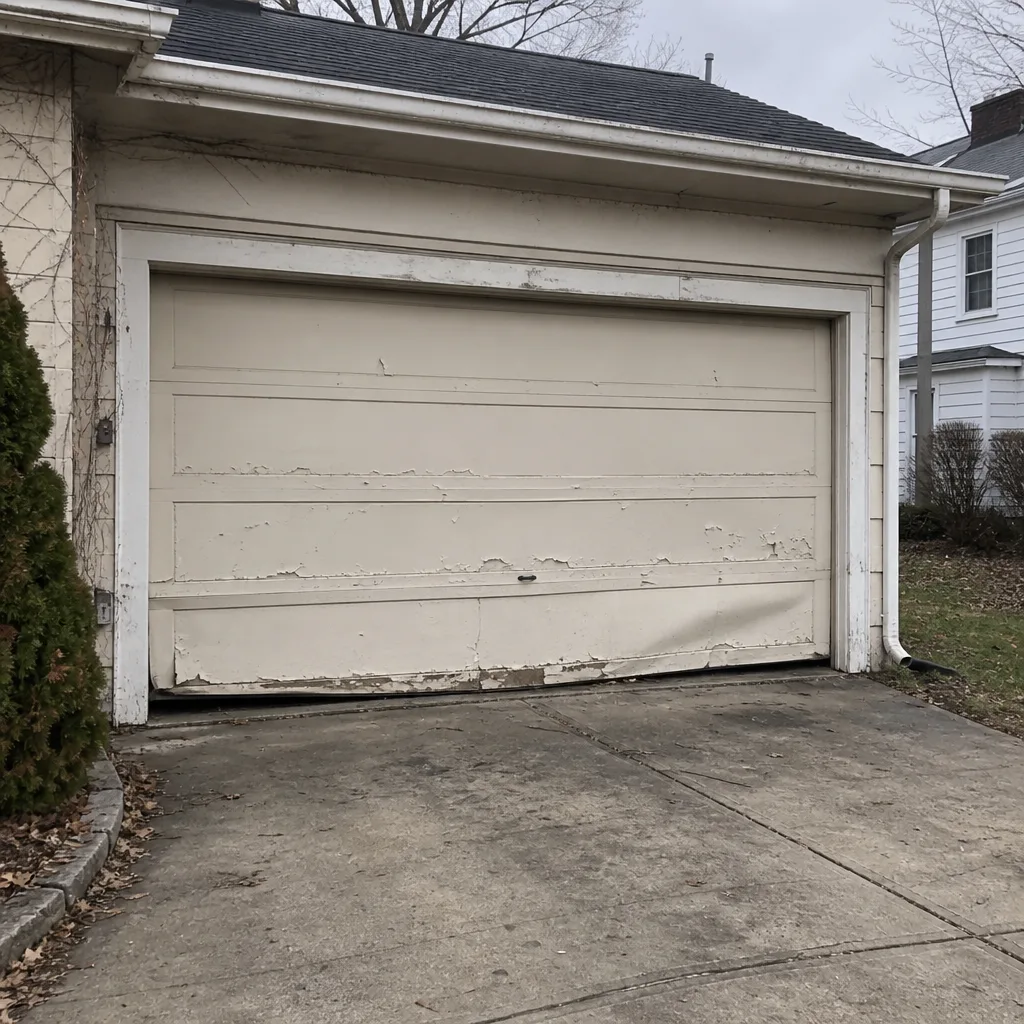 Before
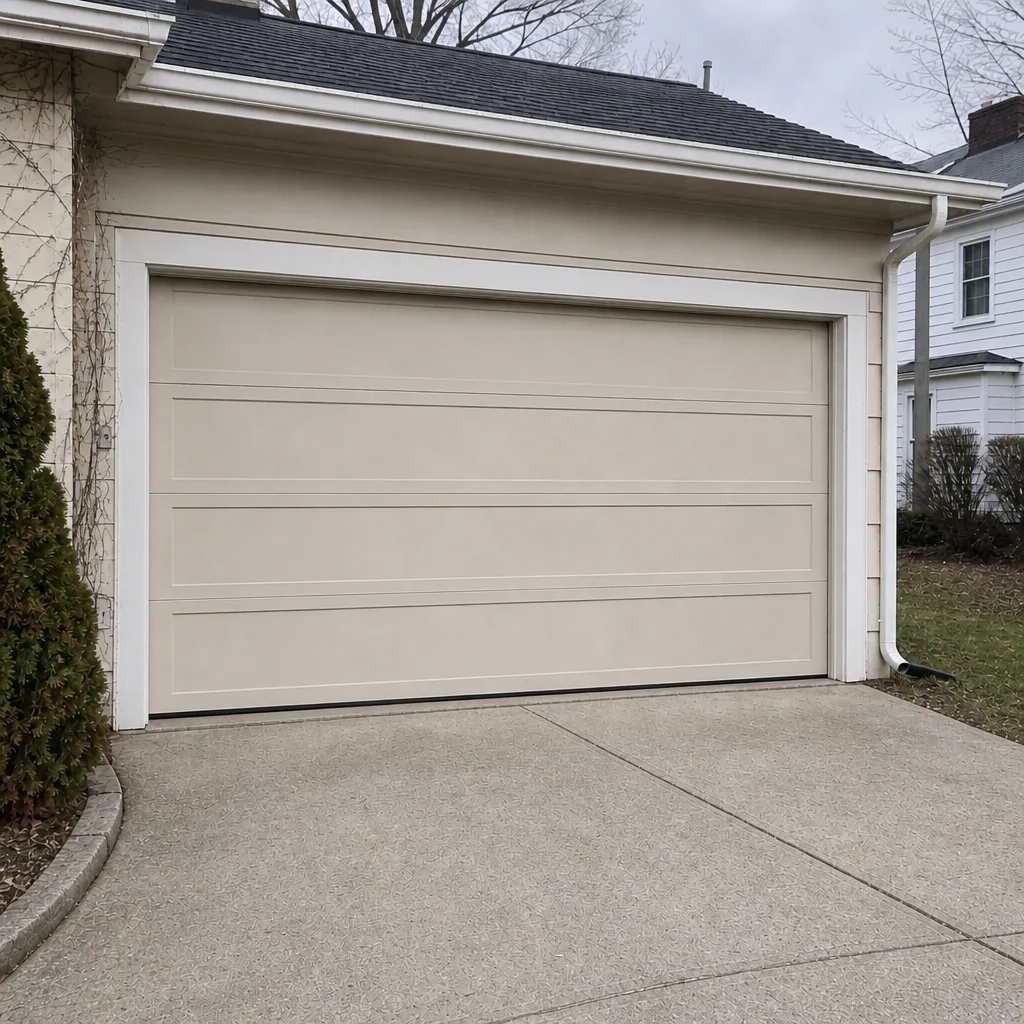 After
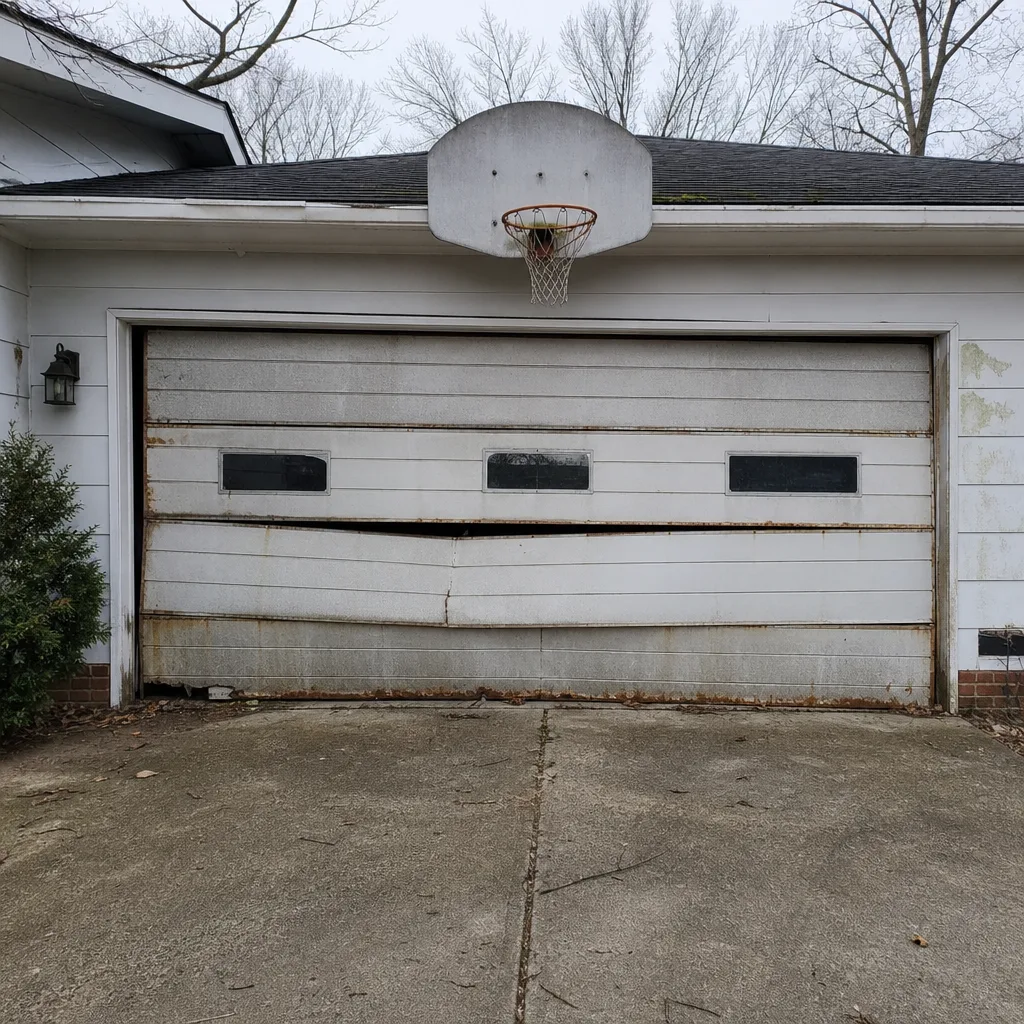 Before
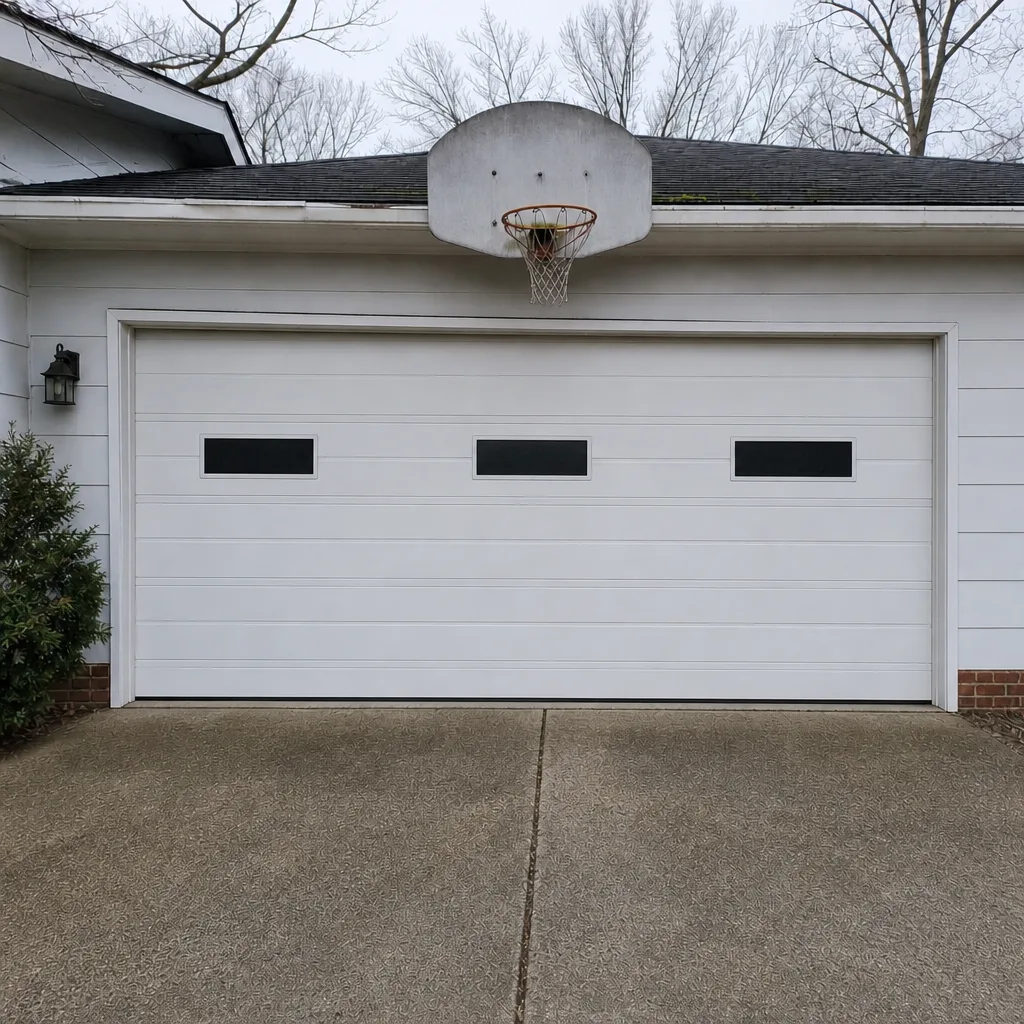 After
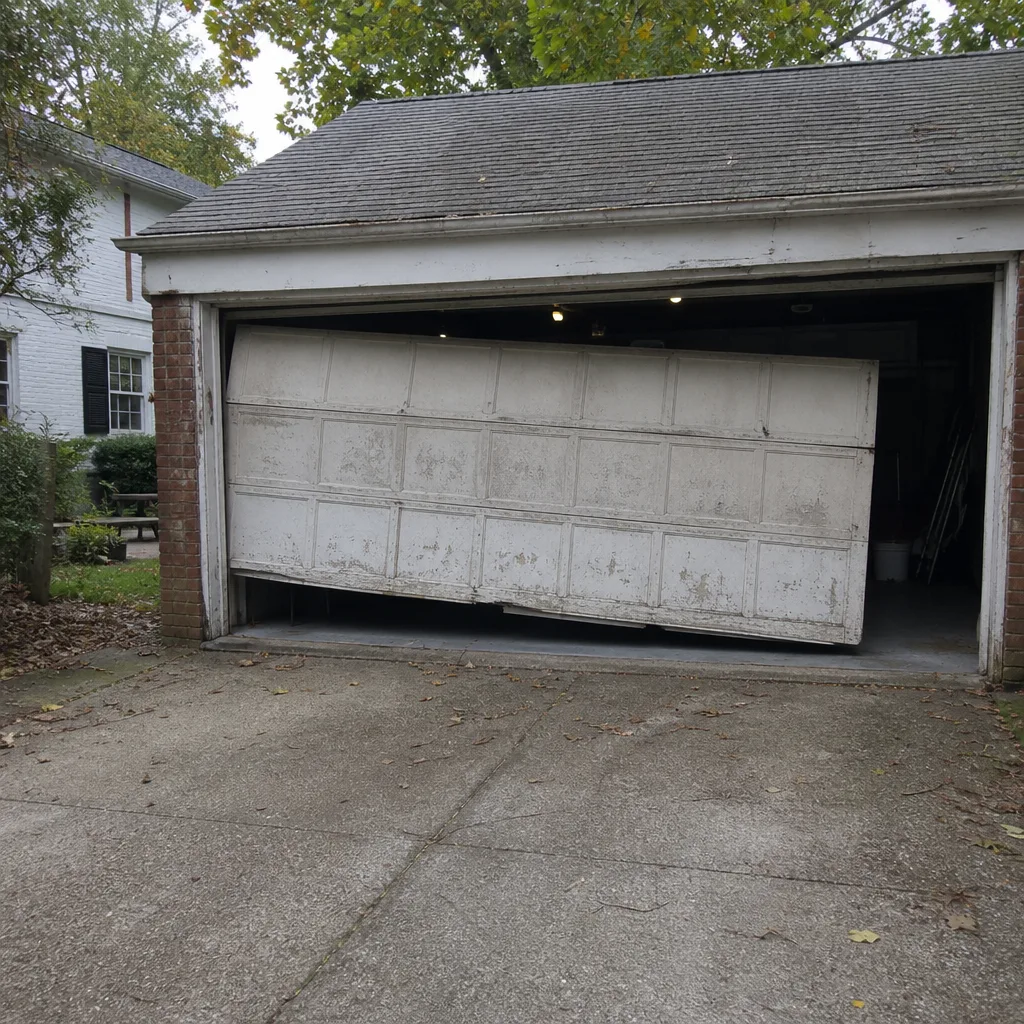 Before
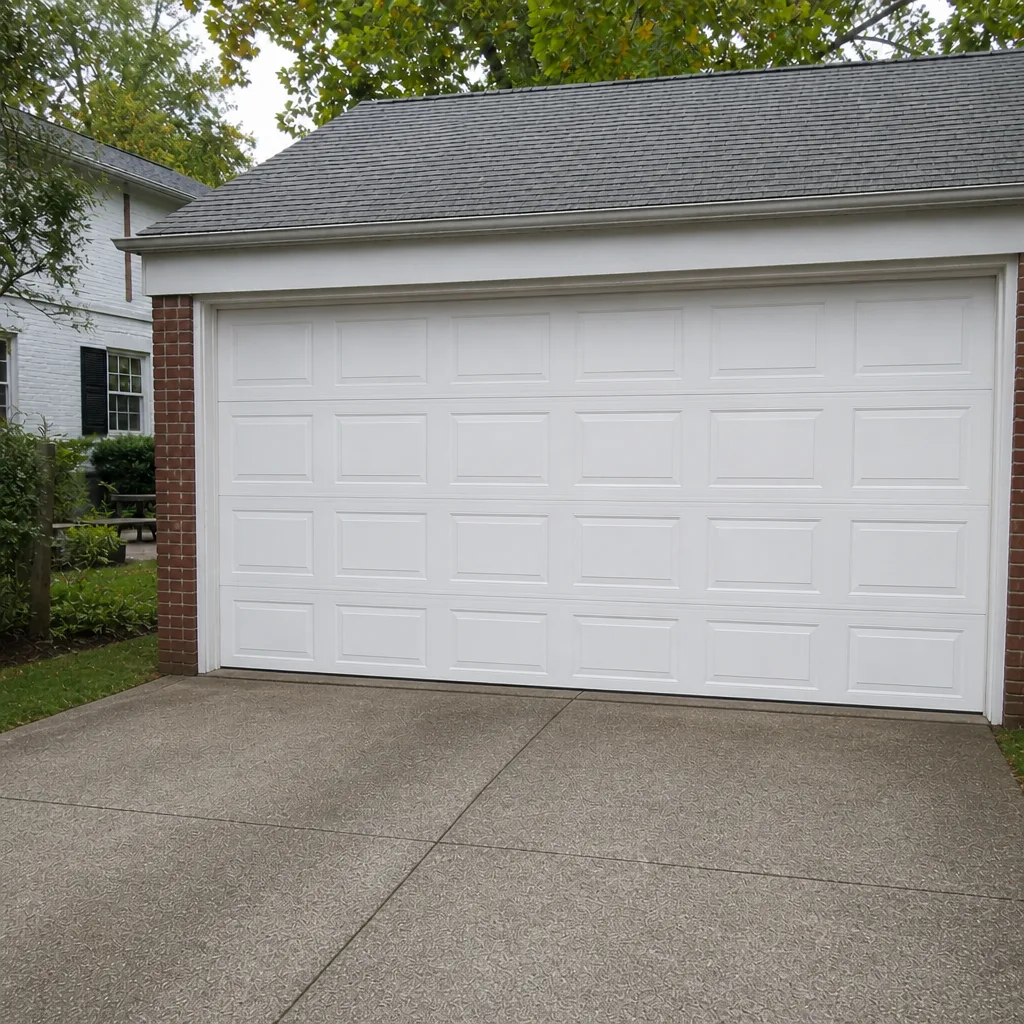 After