
Last updated November 20, 2026
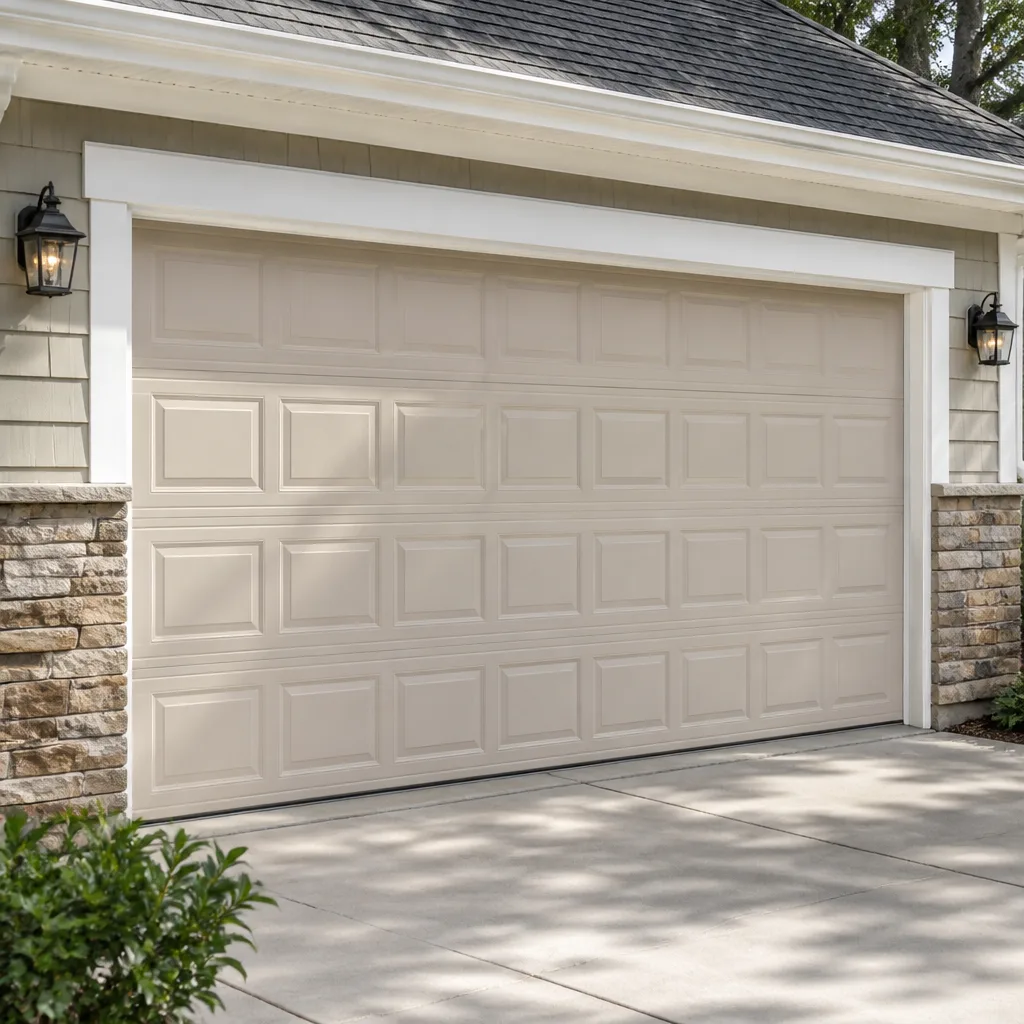 Raised-panel steel
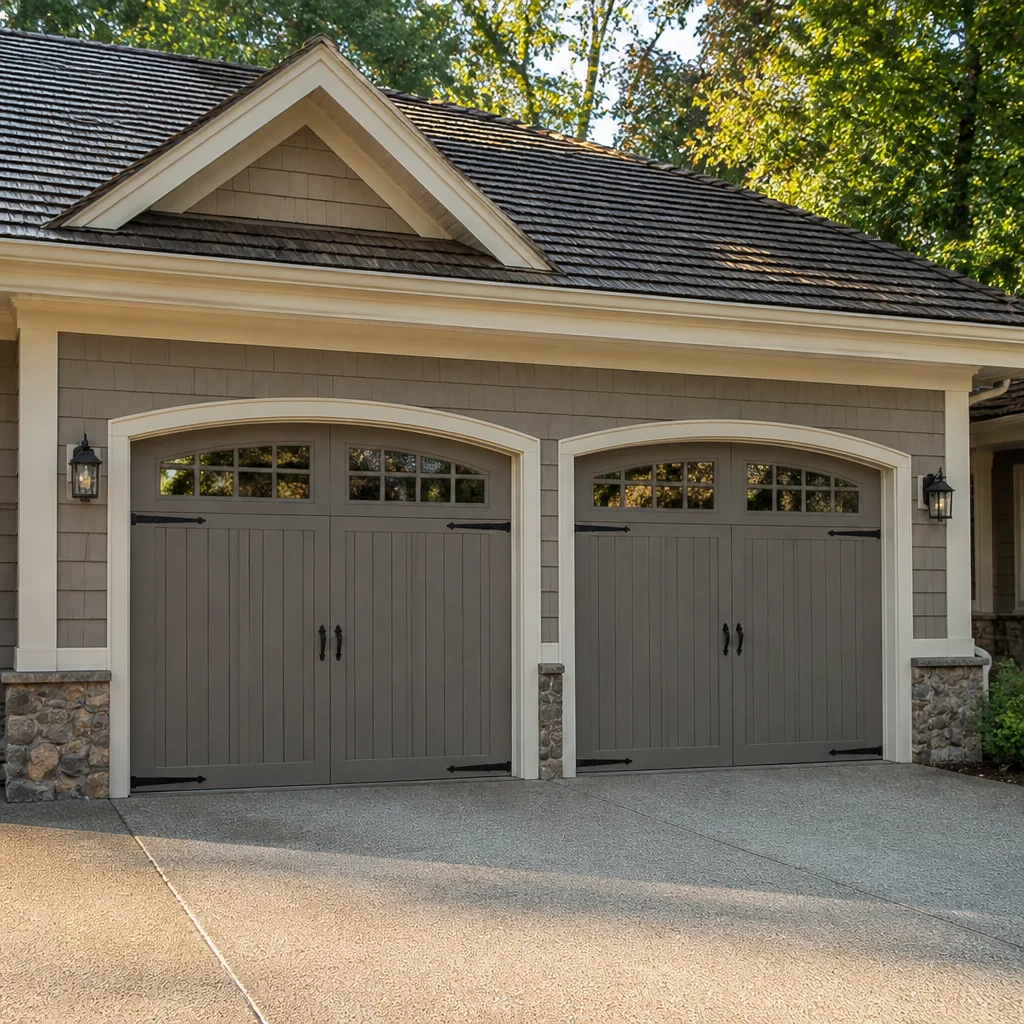 Carriage house
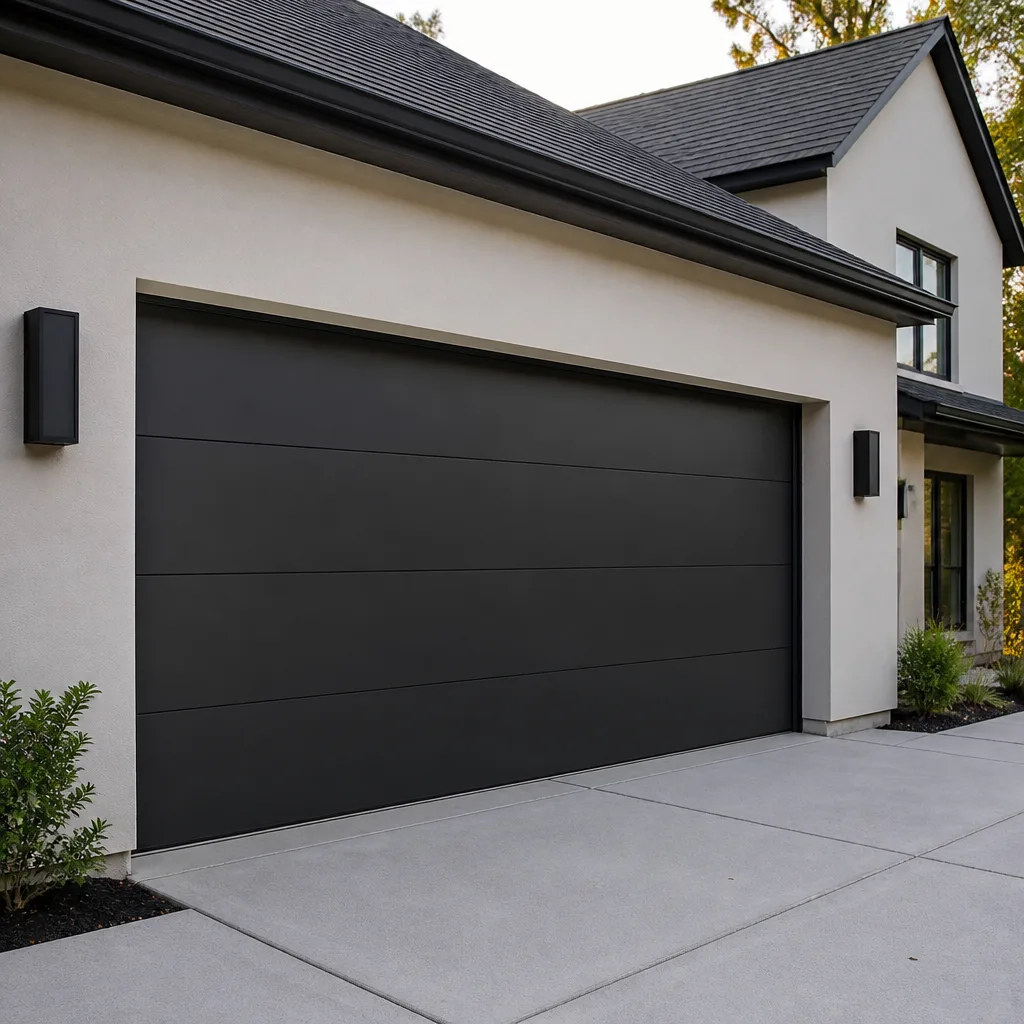 Modern flush
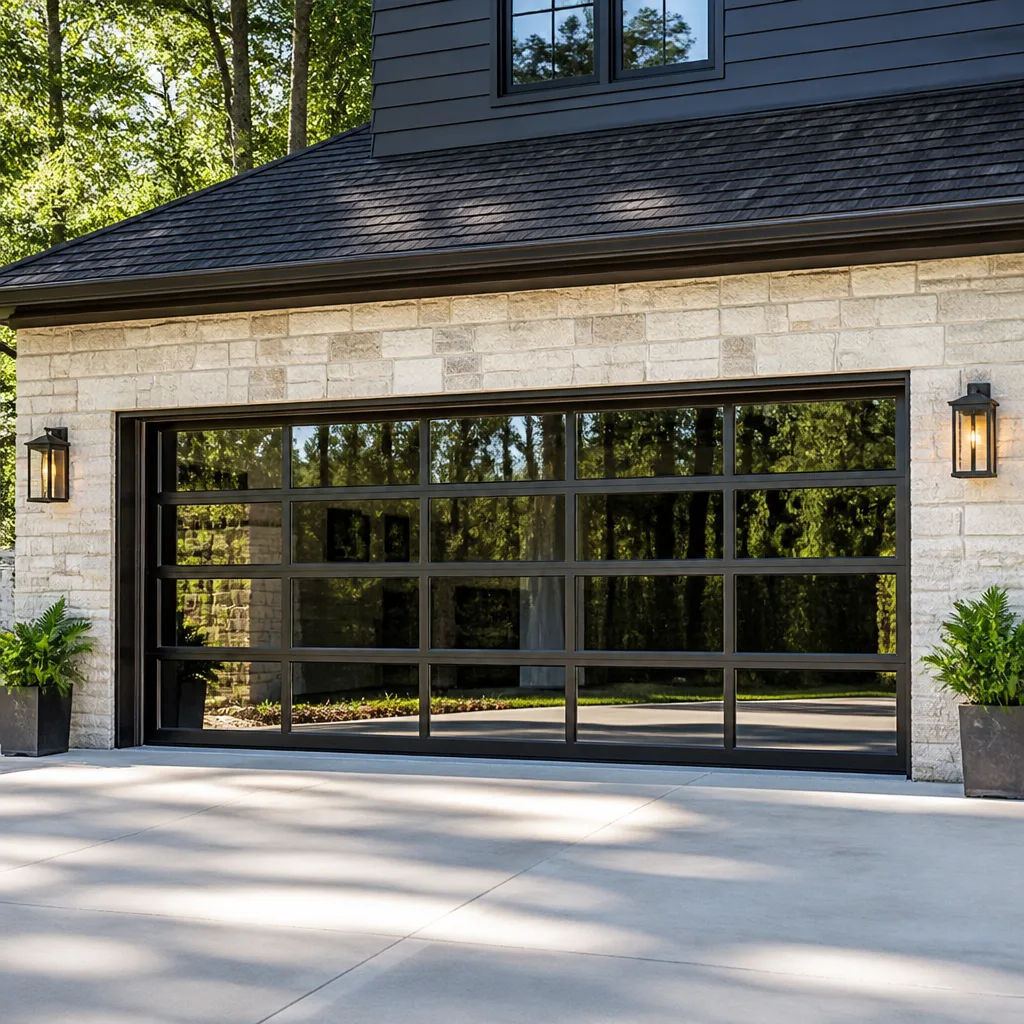 Full-view glass
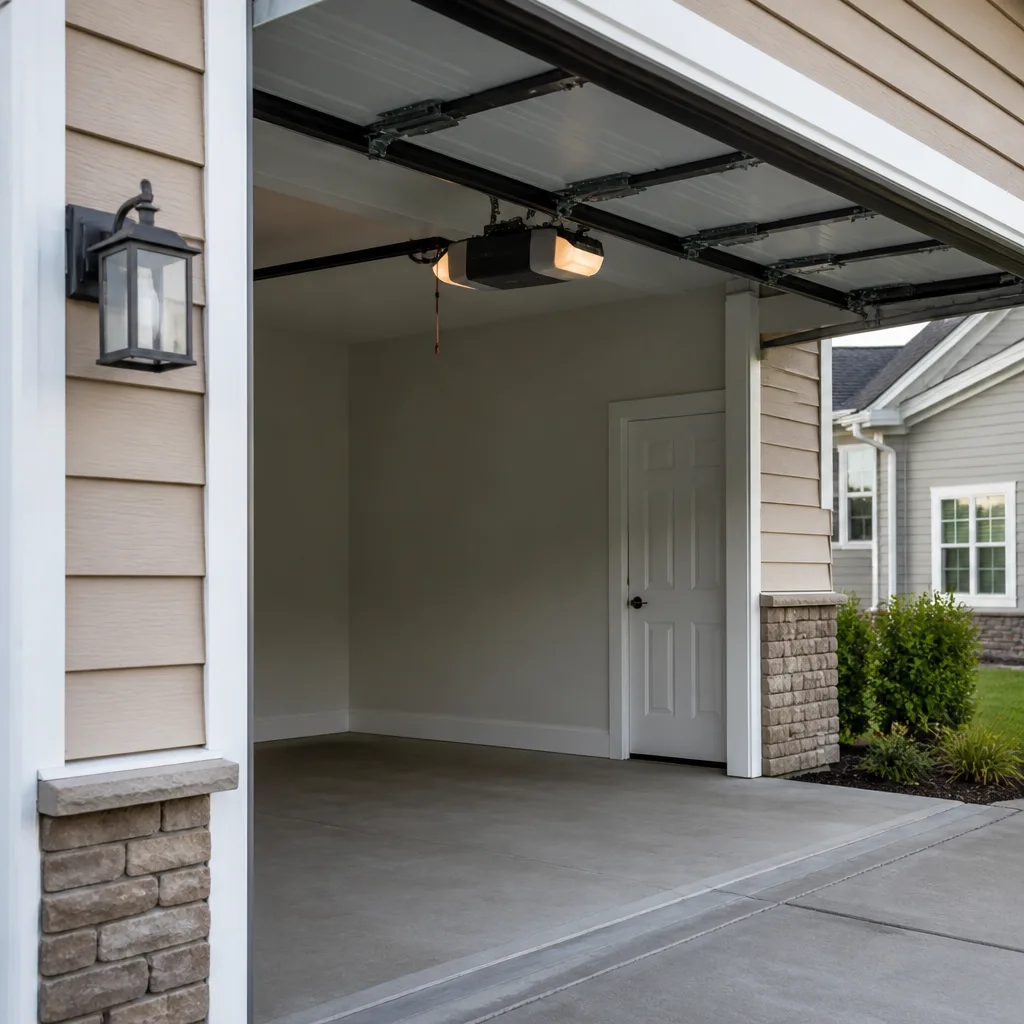 LiftMaster openers
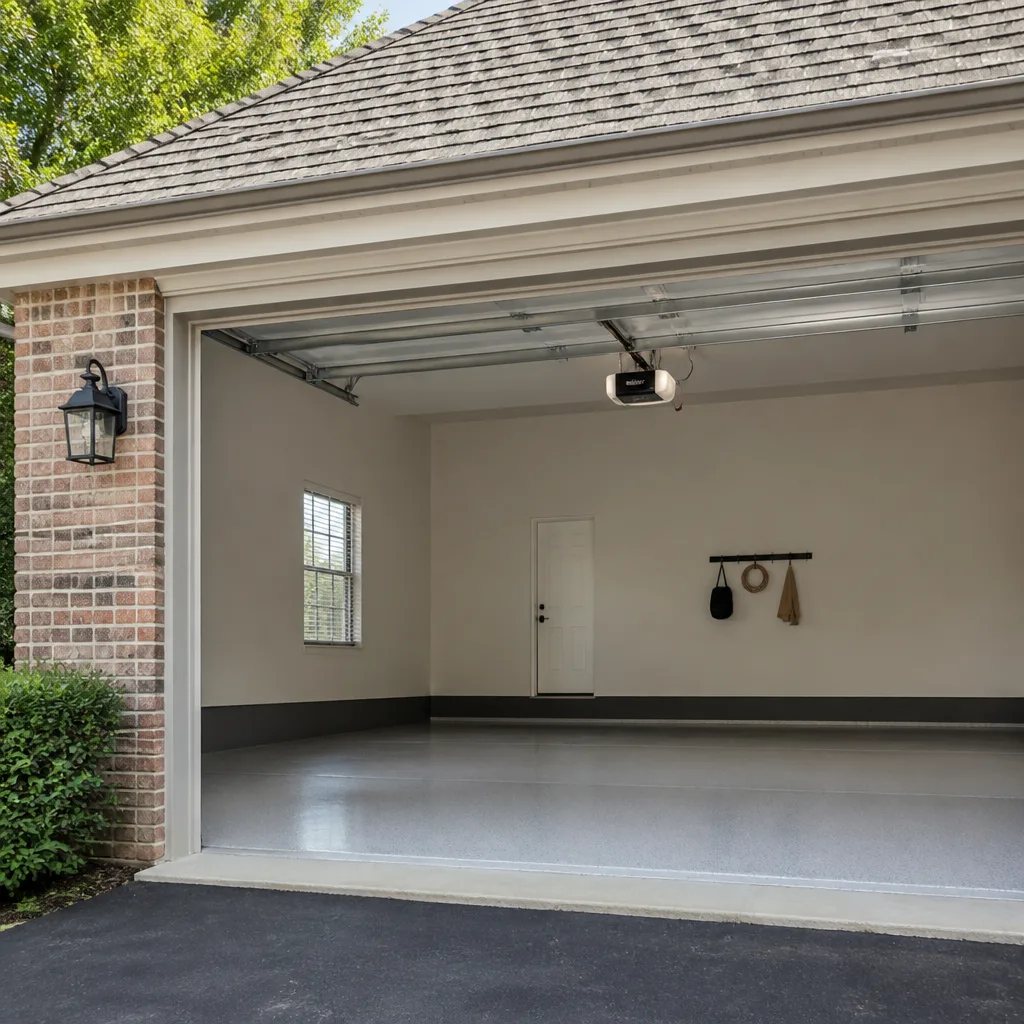 Chamberlain openers
Full 25-point door and opener safety check with every visit - springs, cables, rollers, tracks, and your LiftMaster or Chamberlain opener included
You get a price before we start. It does not change when the pro arrives.
Get your free estimateGarage Door Emergency Preparedness Guide for Meridian-Kessler Homes
Forcing a garage door that won’t close past a tripped safety sensor doesn’t fix the problem. It defeats the sensor, disables your auto-reverse, and turns the door into a crushing hazard until someone corrects it. Most homeowners who jam a door shut at 10pm don’t know they’ve just traded one emergency for a worse one. Here’s the distinction that matters: a door that won’t open and a door that won’t close need opposite responses. This guide walks Meridian-Kessler homeowners through both – the manual release procedure that works the same on almost every opener, how to secure a door safely when a spring has failed, the exact sequence for a power outage, and what to tell a dispatch line so the right technician shows up. Everything here is written for the housing stock, climate and street layout of Meridian-Kessler.
Quick Answer
If your garage door won’t close, don’t force it and don’t tape or bypass the sensors – keep the door open if you can and call a repair specialist, because a broken spring means the door can drop. If your door won’t open, pull the red manual release cord once, lift slowly, and get the car out before you do anything else. Call (877) 792-5753. We answer 24/7 and dispatch from 7am to 7pm, and a call outside those hours is booked into the next opening.
Styles & brands we work with
- Raised-panel steel
- Carriage house
- Modern flush
- Full-view glass
- LiftMaster openers
- Chamberlain openers
Table of Contents
- The Two Kinds of Garage Door Emergency – and Why They Need Opposite Responses
- Step-by-Step: How the Manual Release Works on LiftMaster, Chamberlain and Genie Openers
- When the Door Won’t Close: Broken Spring, Track Damage and Sensor Problems
- Power Outage Sequence: Release, Re-engage and the Trolley Mistake
- What to Tell a Dispatch Line to Get an Accurate ETA and the Right Technician
- Winterizing an Inoperable Door During a February Ice Event
- Why Springs Are the Safety-Critical Part of Your Door
- What Never to Do in a Garage Door Emergency
The Two Kinds of Garage Door Emergency – and Why They Need Opposite Responses
A garage door that won’t open and a garage door that won’t close look like the same problem. They aren’t, and treating them the same way is how people cause damage or injury. The difference comes down to stored energy and gravity.
When a door won’t open, the door is already down. The counterbalance springs are at rest, the door is sitting on the floor, and there’s no stored energy waiting to release. The job is almost always one of these: a dead opener, a snapped torsion spring, a broken cable, or a trolley that has come off the carriage. The urgent need is to get the car out. Pull the manual release and lift the door by hand – if it’s a weak or broken spring, be ready for real weight.
When a door won’t close, the situation is reversed. The door is up, the springs are stretched or wound (depending on the type), and there’s potential energy in the system. If a spring has failed while the door was up, gravity is now the only thing holding the door. It can drop. A sensor misalignment, a blocked path, or a limit switch that needs adjustment feels the same at the opener but looks completely different underneath. Never lift or lower a door by hand in this state – keep people and pets clear and call for a trained technician.
Meridian-Kessler homes run the full age range, from 1920s bungalows to mid-century ranches, and a lot of those garages are detached or tucked at the back of a narrow lot. That layout changes the emergency – a car stuck behind a failed overhead door is trapped until the door is opened, because there’s no second exit off the alley. Knowing which of the two situations you’re in is the first decision you’ll make.
Step-by-Step: How the Manual Release Works on LiftMaster, Chamberlain and Genie Openers
Every modern residential opener has a manual release. The mechanism is the same red handle and cord on LiftMaster, Chamberlain and Genie units, but the way it works depends entirely on where the door is sitting when the opener fails.
If the door is down (won’t open)
- Stand clear of the door. Confirm no one is underneath.
- Pull the red release cord straight down and toward the opener. You’ll hear the trolley separate from the carriage. Pull once, firmly, and don’t yank the cord repeatedly.
- Lift the door slowly by hand. If it’s heavy and won’t rise easily, a spring has failed – stop and call. Don’t fight it.
- Once the door is up, push it fully open and prop it if you need the car out. Get the car out and pull it back in only after you understand the failure.
- Do not leave the door propped open overnight in Meridian-Kessler unless the garage is locked and secure.
If the door is up (won’t close)
Here the release is trickier. The trolley is engaged with the carriage at the open position. Pulling the cord will still disengage the trolley, but the door is now free and only gravity keeps it up. If you pull the release and the spring is broken, the door can fall immediately. Don’t do this alone, and don’t do it if the door is heavy at the top. The safer course with a door that won’t close is to leave it up, keep it clear, and call a technician.
On some older Chamberlain and Craftsman units the release handle is on a short cord, and on the tallest doors the cord may be out of reach from the floor. A step stool placed to the side – never directly under the door – is fine. If the handle has been removed or has snapped, don’t fashion a replacement from rope; call and we’ll bring the correct part, since we sell garage door parts directly and don’t wait on a third-party shipment.
When the Door Won’t Close: Broken Spring, Track Damage and Sensor Problems
A door that won’t close usually falls into one of three categories, and the response is different for each.
- Safety sensor misalignment. The two small lenses at the bottom corners are supposed to see each other. If a garbage can, a folded stroller, or a leaning shovel blocks the beam, the door reverses. Clear the path and check that the sensor indicator light on each side is steady. If one blinks, that sensor is misaligned. Don’t tape the sensor to make the door close – that defeats the auto-reverse and creates a real hazard.
- Broken spring. With a torsion spring, look for a clear gap in the coil above the door. With an extension spring, look for a snapped coil along the horizontal track. If the spring is broken, don’t run the opener – you’ll strip the gear and add cost. The door can drop without warning; keep it up and keep everyone away.
- Track or roller damage. If a roller has jumped the track or a section has bent, the door may bind as it descends. Don’t force it. A jammed door with the opener pushing against it will eventually tear the top section.
If the door won’t close because a spring has failed, the safe temporary move for many homeowners is to leave the door up and lock the garage through the interior door. If the door simply must be secured, locking pliers clamped on the vertical track just above a bottom roller can help hold it, but only if the door is already fully down – never use them to hold an up position, and never clamp on the horizontal track. For a genuine emergency in Meridian-Kessler, our Garage Door Repair Meridian-Kessler page is the fastest way to reach a specialist who knows the difference.
Power Outage Sequence: Release, Re-engage and the Trolley Mistake
A power outage in Meridian-Kessler – an ice-load branch on an overhead line, a transformer fault after a summer storm – leaves your door locked in place if the opener has no battery backup. The sequence is short, but it’s easy to get wrong when the lights are out.
- Confirm the outage. Check whether the wall control still lights up. No light and no sound points to power, not a failed opener.
- Release the door. Pull the red cord once, firmly, with the door in the down position. The trolley separates from the carriage.
- Open the door by hand. Lift slowly. A properly balanced door will stay up with a light push; a heavy one has a spring or balance problem you’ll want repaired.
- When power returns, don’t just cycle the opener. This is where most mistakes happen. The trolley is still sitting apart from the carriage. Pressing the button with the door up will drive the trolley along the rail with nothing attached – it will skip past the carriage and stop in the wrong position, and on some older units the trolley can jam against the open limit.
- Re-engage correctly. Pull the red cord down and let it snap back so the trolley re-couples with the carriage while the door is in the fully closed position. Then run the opener once to confirm the door cycles cleanly and the auto-reverse still works.
If the trolley has already skipped the carriage, the door will run up and down but the opener won’t move it. That’s a mechanical reset, not a power problem. If you’re not certain the trolley is correctly aligned, our garage door opener repair team can reset it and check the limits on your LiftMaster or Genie unit in one visit.
What to Tell a Dispatch Line to Get an Accurate ETA and the Right Technician
A generic “my garage door is broken” call can end with a generalist, a handyman with a pry bar, or a truck with no spring tooling. The information you give on that first call decides whether you get the right person. Here’s what helps:
- The brand and model. Say “LiftMaster,” “Chamberlain,” “Genie,” “Clopay,” “Amarr,” “Wayne Dalton,” “Craftsman,” or “Raynor.” We work on all of them, so the brand alone doesn’t change dispatch, but the model helps.
- Which of the two situations you’re in. Say clearly: “The door is down and won’t open” or “The door is up and won’t close.” Operators route these differently.
- The component name and symptom. “I found a gap in the torsion spring above the door” or “the door reverses about a foot off the floor” or “one sensor light is blinking” gives a technician a head start on the parts to bring. Because we stock garage door parts, a correct description often means the repair finishes the same day.
- The spring type if you know it. Torsion (a horizontal shaft with two wound coils above the door) versus extension (two stretched springs along the horizontal tracks). Spring repair is safety-critical and not every general handyman will take it on.
- Whether the car is trapped. Say so. Getting the car out is the first priority, and the manual release usually handles it.
- Your address and any access detail. Meridian-Kessler alleys can be narrow and some garages sit behind the house. Mention it so the technician isn’t circling.
Give that much and you’ll get a realistic window. Call (877) 792-5753. We answer 24/7. Fast dispatch from 7am to 7pm. A call outside those hours is booked into the next opening, Sunday through Friday, 7am to 7pm.
Winterizing an Inoperable Door During a February Ice Event
Meridian-Kessler gets real winter weather – ice events, freezing rain, and days that stay below freezing – and an inoperable door during a February ice storm is a different problem than a summer failure. When a repair can’t happen the same day, the goal shifts from “fix it now” to “keep the house safe and the door protected until the technician arrives.”
- Keep the door closed and locked if it’s already down. A door sitting shut through a cold snap is doing its main job: keeping cold air out of the garage and the room above it.
- If the door is up and can’t come down, close off the garage. Shut the interior door, and if the garage shares a wall with heated space, a rolled towel at the base of that door helps. Don’t try to force the door down in cold weather, because the metal contracts and a jammed door in freezing temperatures can crack track sections.
- Clear ice and snow off the threshold. Ice packed against the bottom seal can lift the door slightly and defeat the weatherstripping. A plastic scraper is all you need – no metal shovel against aluminum.
- Don’t pour hot water on a frozen track. It refreezes. A little de-icer on the concrete directly under the bottom seal is fine. Keep it off the painted door and the metal track, and avoid anything that leaves salt residue near the opener housing.
- Cover exposed opener components if you have a detached garage. A hanging opener in a cold, unheated garage cycles harder. If the unit has already failed, leave it be until a technician can look at it – running a frozen unit can burn out the motor.
- Watch for a spring that was on its way out. Cold makes tired springs fail faster. If the door was sluggish in the fall and has stopped in the winter, a replacement spring is likely the answer.
For a full installation or a planned replacement after a winter failure, see our garage door installation page. Replacement is measured, ordered and scheduled – we’ll set up a free measure and a written price rather than promise a same-day turnaround on a new door.
Why Springs Are the Safety-Critical Part of Your Door
Torsion springs are wound steel under high tension. Extension springs are stretched along the tracks and, on older doors, can snap with significant force. Both are the part that lets a homeowner lift a 150-pound door with one hand. When they fail, the door is heavy and unpredictable. That’s why a spring repair isn’t a handyman job, and why many generalists decline it – the injury risk and the special tooling are real.
What to check without touching the springs:
- Is there a visible gap in the coil above the door? That’s a broken torsion spring.
- Is a spring along the horizontal track stretched out of shape or hanging loose? That’s a broken extension spring.
- Does the door feel much heavier than usual when you lift it by hand? That suggests a failing spring.
- Does the door slam at the bottom rather than stopping softly? That’s a balance problem tied to spring tension.
Don’t attempt to wind, unwind, or adjust a torsion spring yourself. Don’t cut a broken extension spring loose, and don’t try to swap one with a hardware store part of unknown rating. The winding bars, the tensioning, and the door balance all demand training and tools. We handle spring repair as a dedicated service, and our technicians have up to 13 years of experience on both torsion and extension systems. For a fuller picture of that service, our garage door repair page covers the full scope.
What Never to Do in a Garage Door Emergency
The wrong reaction in the first ten minutes can cost more than the repair. Here are the moves to avoid.
- Don’t tape, wedge, or bypass the safety sensors. It defeats the auto-reverse, disables the door’s ability to sense a person or object, and turns a small repair into a serious hazard.
- Don’t cycle the opener repeatedly on a door that’s binding. Each attempt grinds the gear and stretches the chain. If the door stops partway, stop pressing the button.
- Don’t try to lift a door that’s already up. A door that won’t close is a door with stored energy. Keep clear and call.
- Don’t clamp locking pliers to the horizontal track. Only the vertical track is designed to take that load. Horizontal track damage makes the repair bigger.
- Don’t adjust the opener force or travel limits to force a door shut. Raising the force overrides a safety feature and often signals a mechanical problem that needs a spring or track fix.
- Don’t spray the hinges and rollers with whatever’s in the garage. A thin lithium or silicone spray is right; WD-40 or motor oil attracts grit and jams the rollers.
- Don’t let the car sit under the door during a repair. Move it out first if the door opens – and if it won’t, wait for the technician.
Common Mistakes to Avoid
- Calling every local handyman ad before you know what’s wrong. A generalist will often turn down a spring job, and you’ll have spent a day learning that. Name the component on the first call.
- Assuming a broken door means a full replacement. Most won’t-close and won’t-open problems are a spring, a cable, a sensor, or an opener limit – not the door itself. Replacement is a planned job, not an emergency fix.
- Forgetting to secure the interior door of an attached garage. If the overhead door is stuck open in Meridian-Kessler, the interior door is now your only lock between the house and the alley. Treat it as a real door, not a pass-through.
- Leaving a propped door overnight. In a neighborhood with alleys and foot traffic, an overhead door that’s stuck up is an open invitation. Close what you can and call for the rest.
- Skipping the winterization step in a February ice event. An unheated garage with a failed opener in freezing weather can lose weatherstripping, warp a wooden door and freeze the bottom seal.
- Buying the wrong spring online. Torsion springs are rated by wire gauge, inside diameter and length for a specific door weight. A shade off and the door won’t balance. We sell garage door parts and will help you match the correct one, but installing a spring isn’t a do-it-yourself task.
- Not telling dispatch what’s actually wrong. “My door is stuck” leads to a generalist. “My door is up and won’t come down, and I can see a gap in the torsion spring” leads to the right technician and the right parts.
See the difference
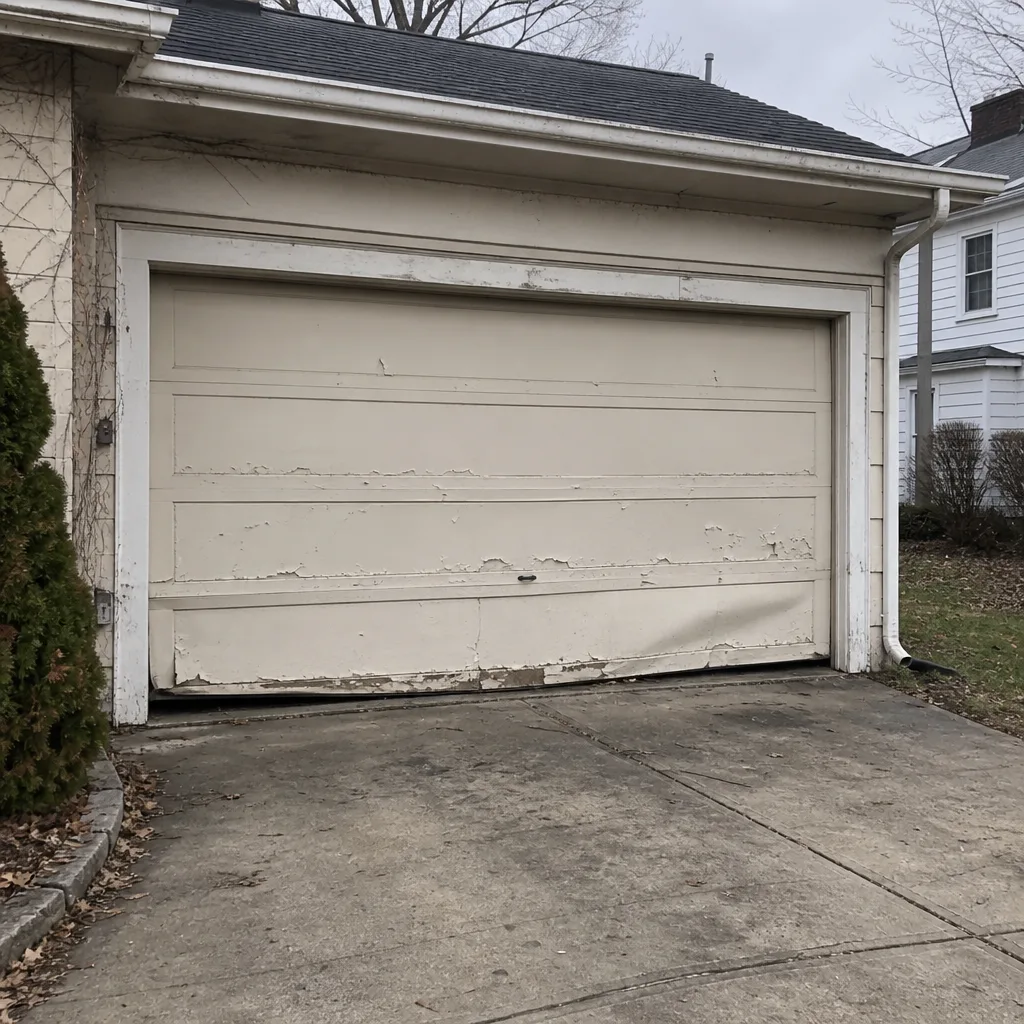 Before
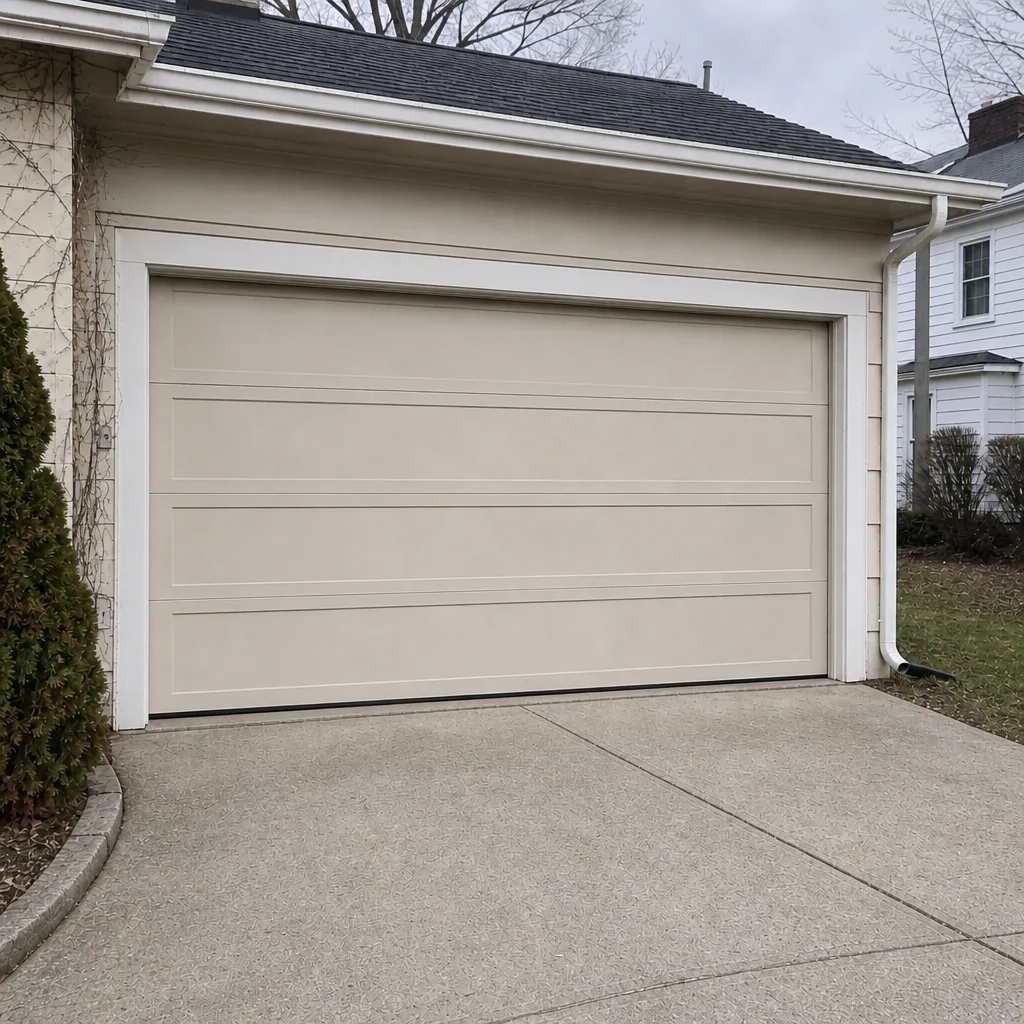 After
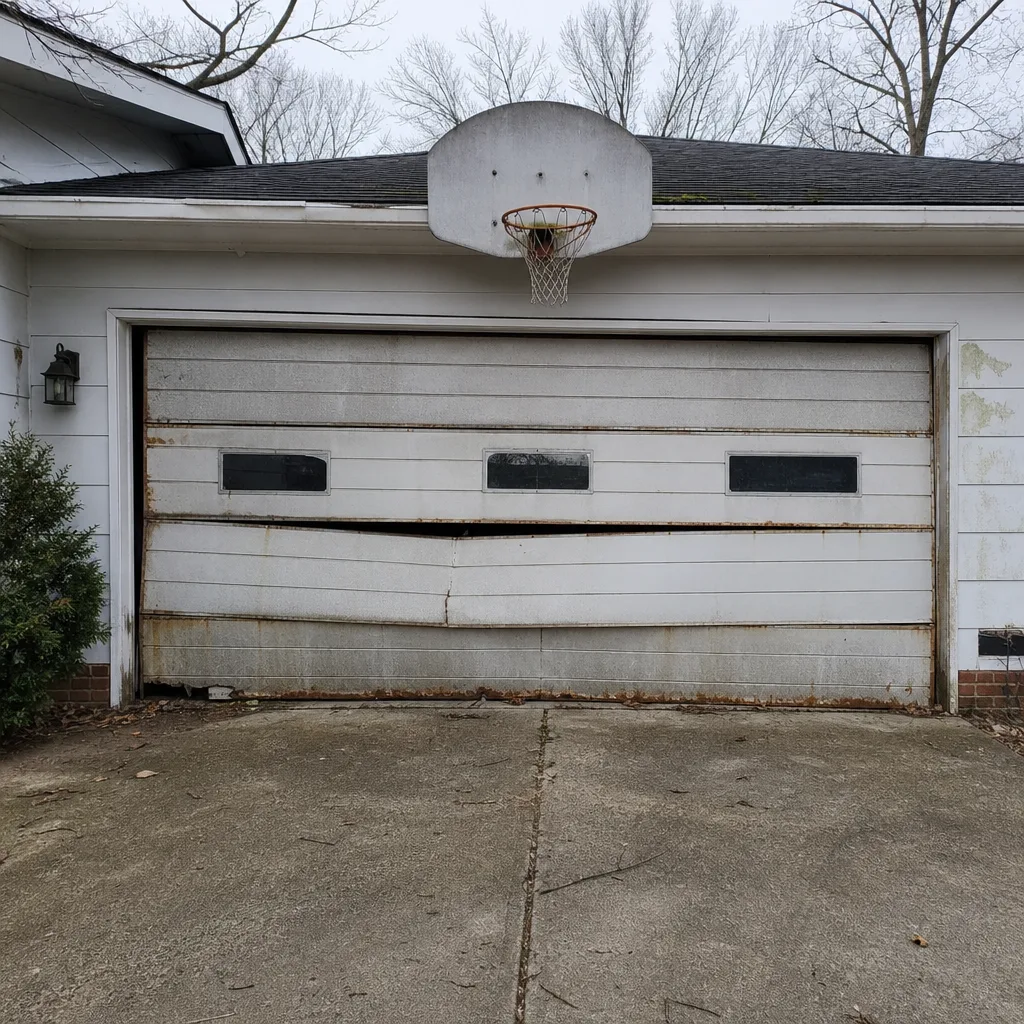 Before
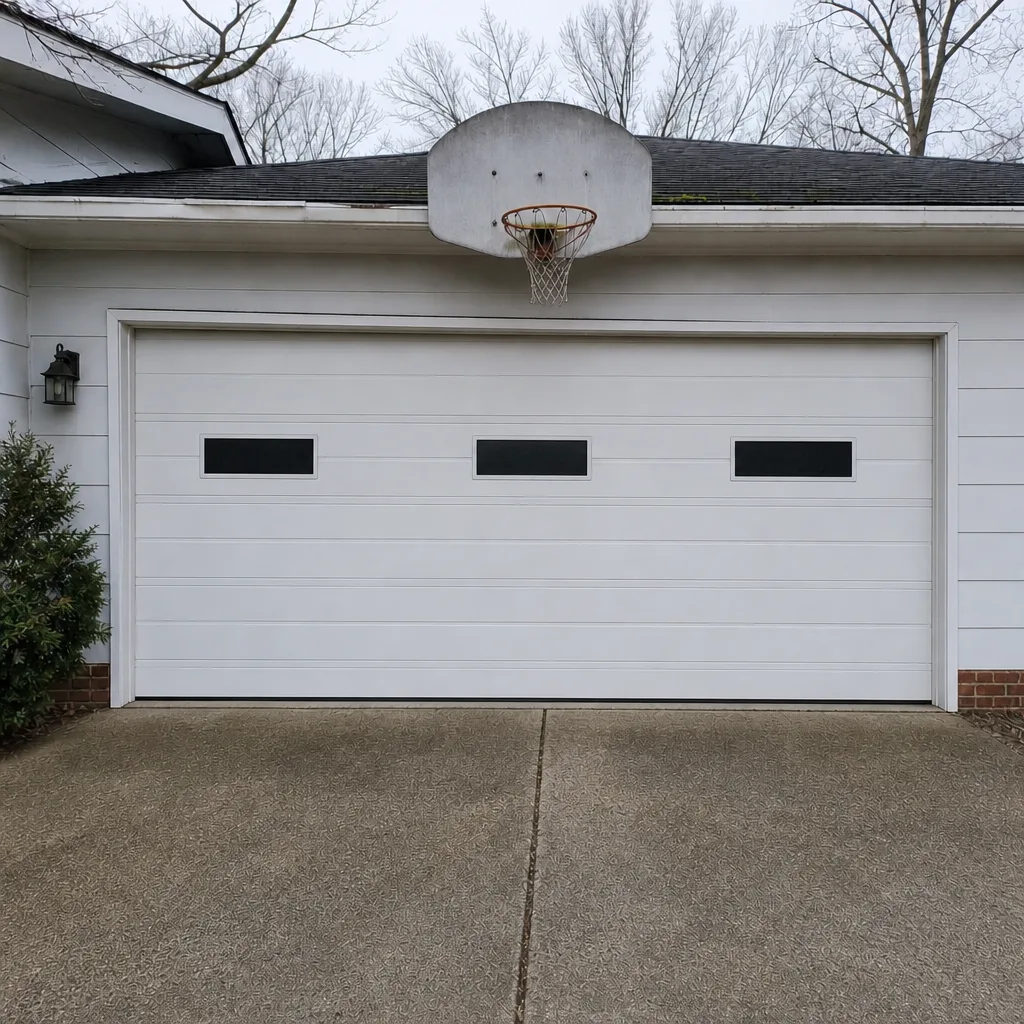 After
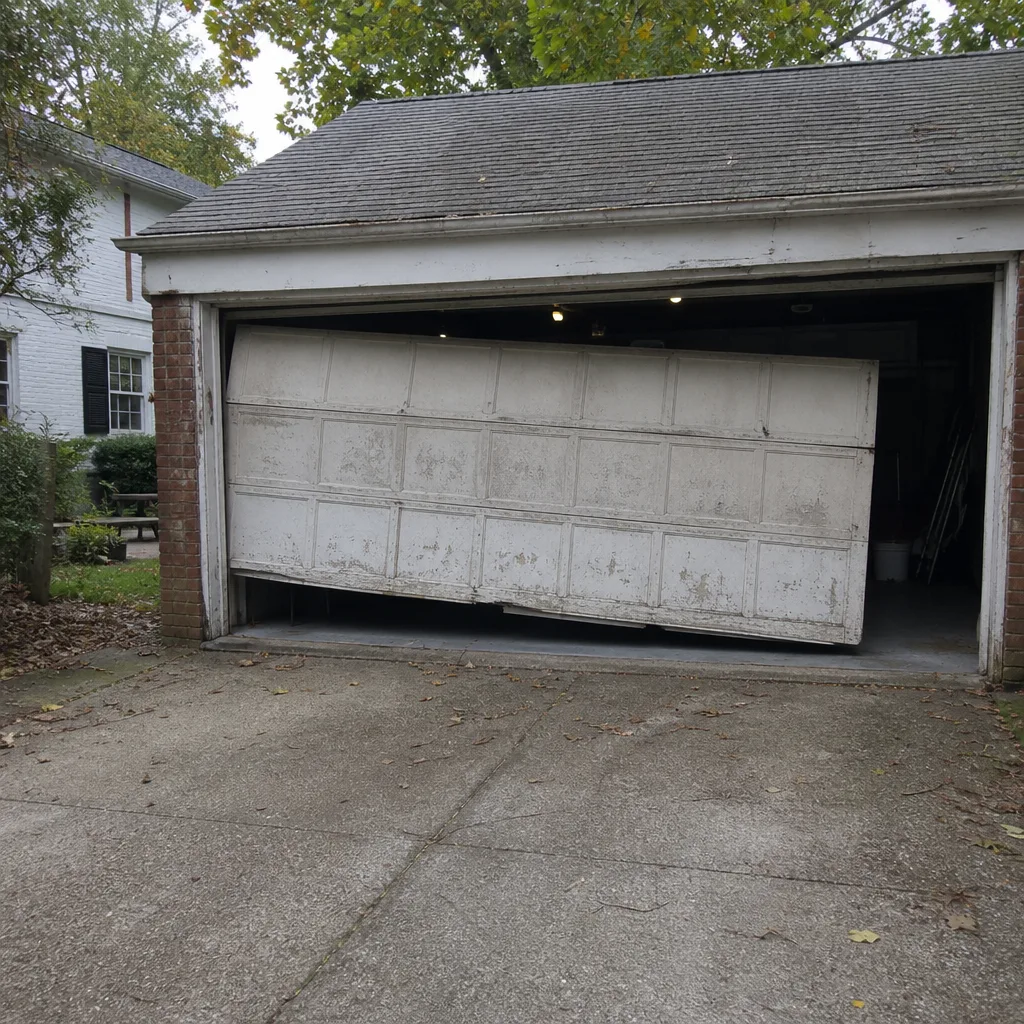 Before
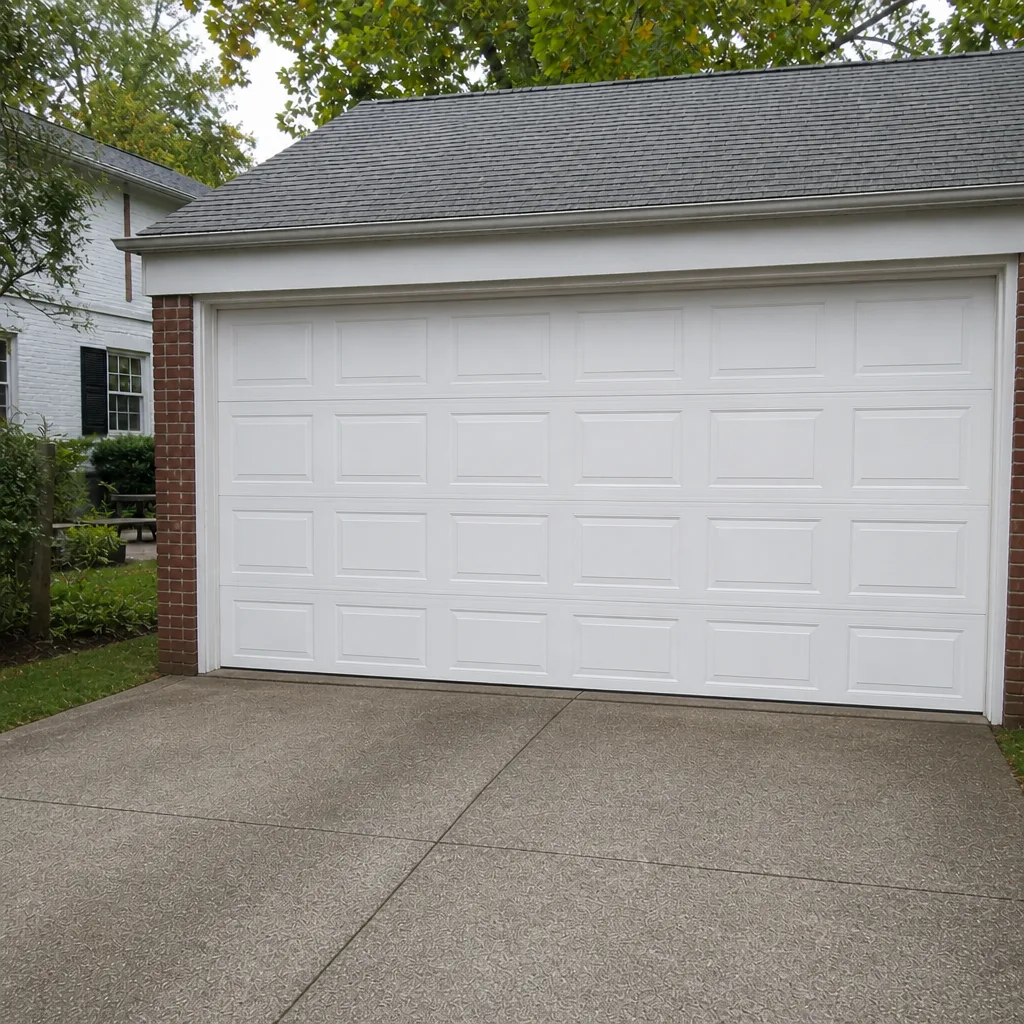 After
When to Call a Professional
Call a specialist when a spring is broken, when a door that won’t close is sitting up and heavy, when the trolley has skipped the carriage and the door won’t move with the opener, when a track is bent, when the opener hums without moving the door, or when any panel has separated from the frame. Call if you’re not sure which of the two emergency situations you’re in. A door that’s already failed is your signal – don’t wait for a second failure to make the call. Garage Door Repair Meridian-Kessler offers free estimates in Meridian-Kessler – call (877) 792-5753. We work on LiftMaster, Chamberlain, Genie, Clopay, Amarr, Wayne Dalton, Craftsman and Raynor, so you don’t have to hear “we don’t work on that model.” Our technicians have up to 13 years of experience, our trade focus is 100% garage doors, and the price is quoted and agreed before any work starts.
Frequently Asked Questions
Keep the door up and keep people and pets clear, then call a specialist. A door that won’t close often has a broken spring, and with the door up the spring failure means the door can drop. Don’t tape the safety sensors or force the door down. Call (877) 792-5753 for an exact quote – estimates are free.
In many cases, yes. Spring repair is safety-critical and we handle it as a dedicated service, not a side job. Call (877) 792-5753. We answer 24/7, and a call outside 7am to 7pm is booked into the next opening, Sunday through Friday.
Most common repairs – a spring replacement, a sensor reset, an opener adjustment – come in as a per-job estimate, and the written quote sets the final price. Cost depends on the component, the door weight, and whether one part or several need replacement. Call (877) 792-5753 for an exact quote – estimates are free.
No, once you’ve received the written estimate, that’s the price. We quote and agree before any work starts. If a technician finds something genuinely different from what was described, you’ll hear about it and get a revised estimate before any additional work begins – never an invoice after the fact. Call (877) 792-5753 for an exact quote – estimates are free.
The local professionals we connect you with are licensed and insured as their state requires. We’re a garage door specialist and our technicians have up to 13 years of experience. Call (877) 792-5753 for an exact quote – estimates are free.
Yes. We service all eight of the most widely installed residential brands: LiftMaster, Chamberlain, Genie, Clopay, Amarr, Wayne Dalton, Craftsman and Raynor. Older Craftsman units are common in Meridian-Kessler and we stock many of the parts they need, so a repair isn’t stalled waiting on a third-party shipment. Call (877) 792-5753 for an exact quote – estimates are free.
The Bottom Line
The two garage door emergencies in Meridian-Kessler look alike but need opposite responses. A door that won’t open is down, at rest, and the manual release is your friend – pull once, lift carefully, get the car out. A door that won’t close is up, under stored energy, and the right move is to keep it clear, keep the sensors on, and call a specialist. Match the response to the situation, name the component when you call dispatch, and never bypass a safety sensor to force the door. Free estimates, upfront pricing, and the price set per job by the written estimate. Call (877) 792-5753 for a free estimate. We answer 24/7. Fast dispatch from 7am to 7pm, Sunday through Friday.
Written by the team at Garage Door Repair Meridian-Kessler.