
Last updated November 20, 2026
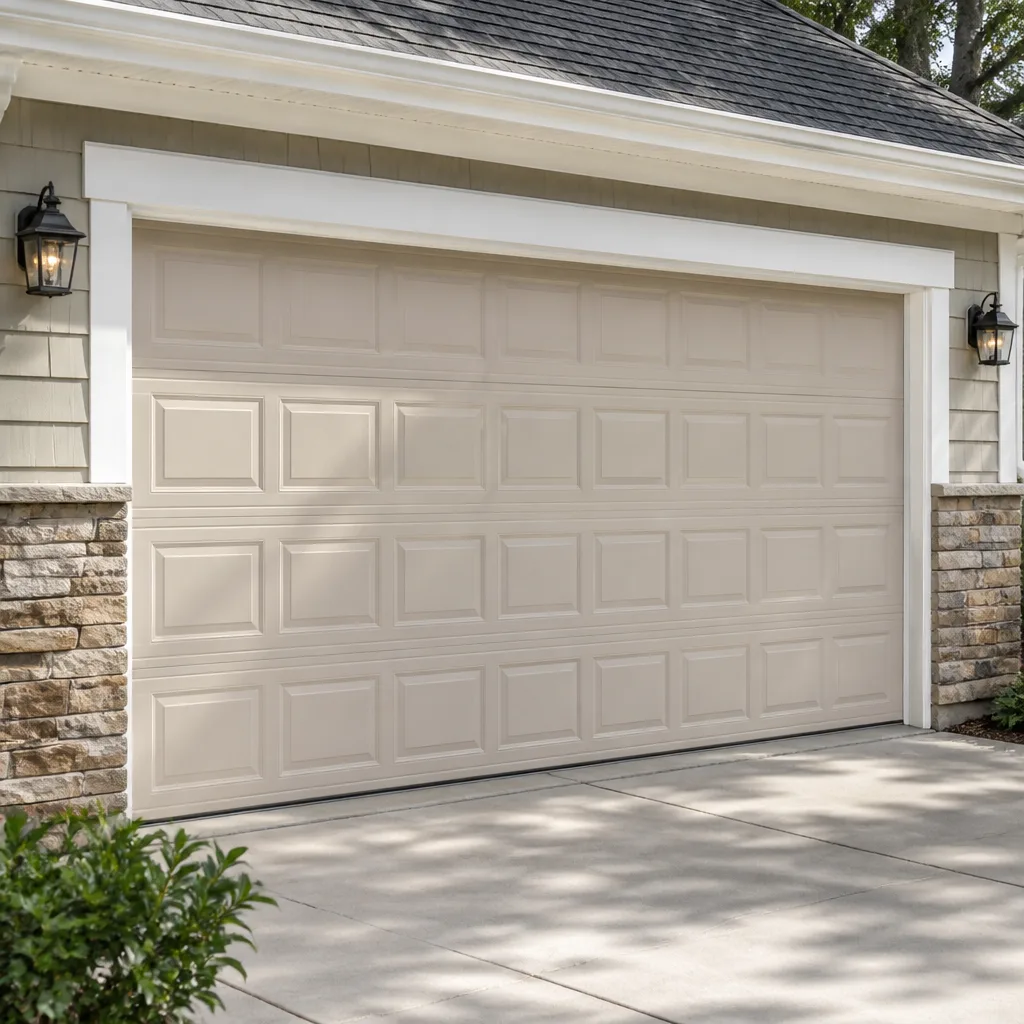 Raised-panel steel
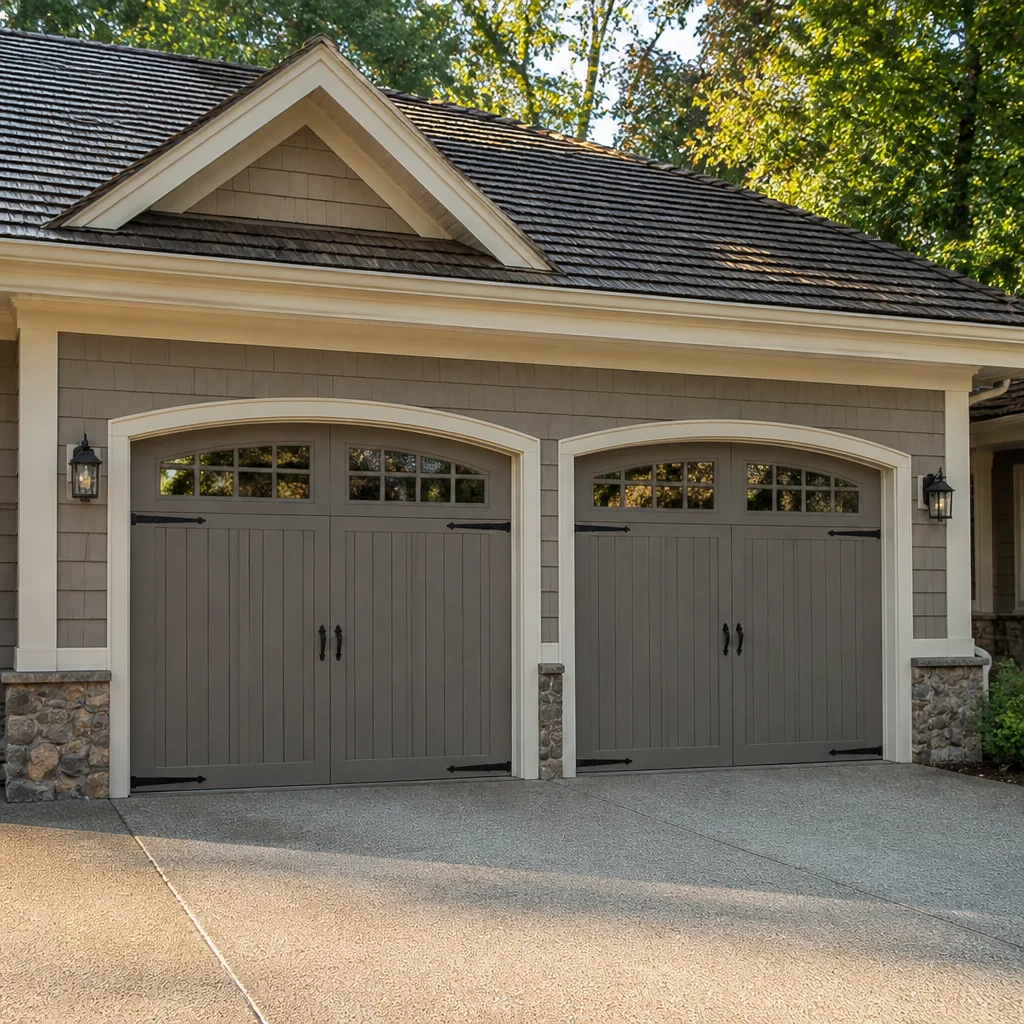 Carriage house
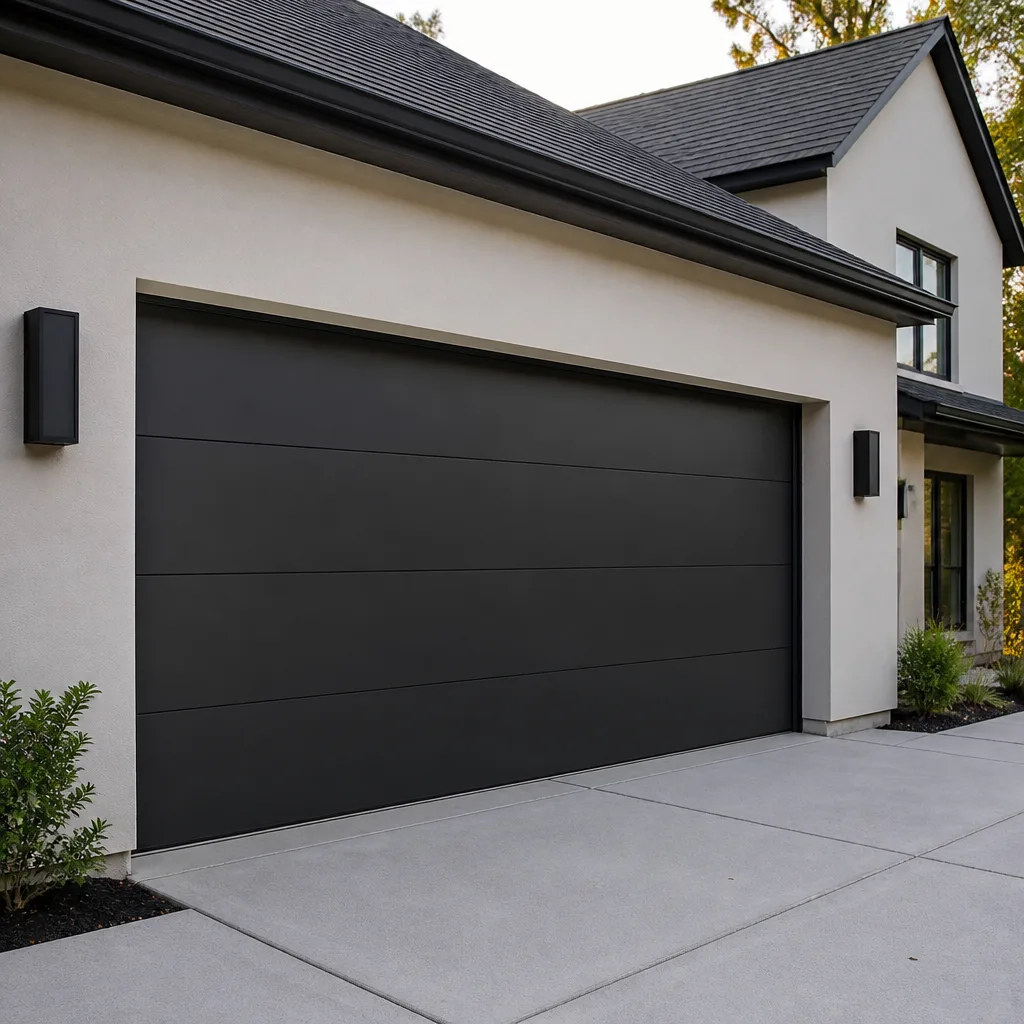 Modern flush
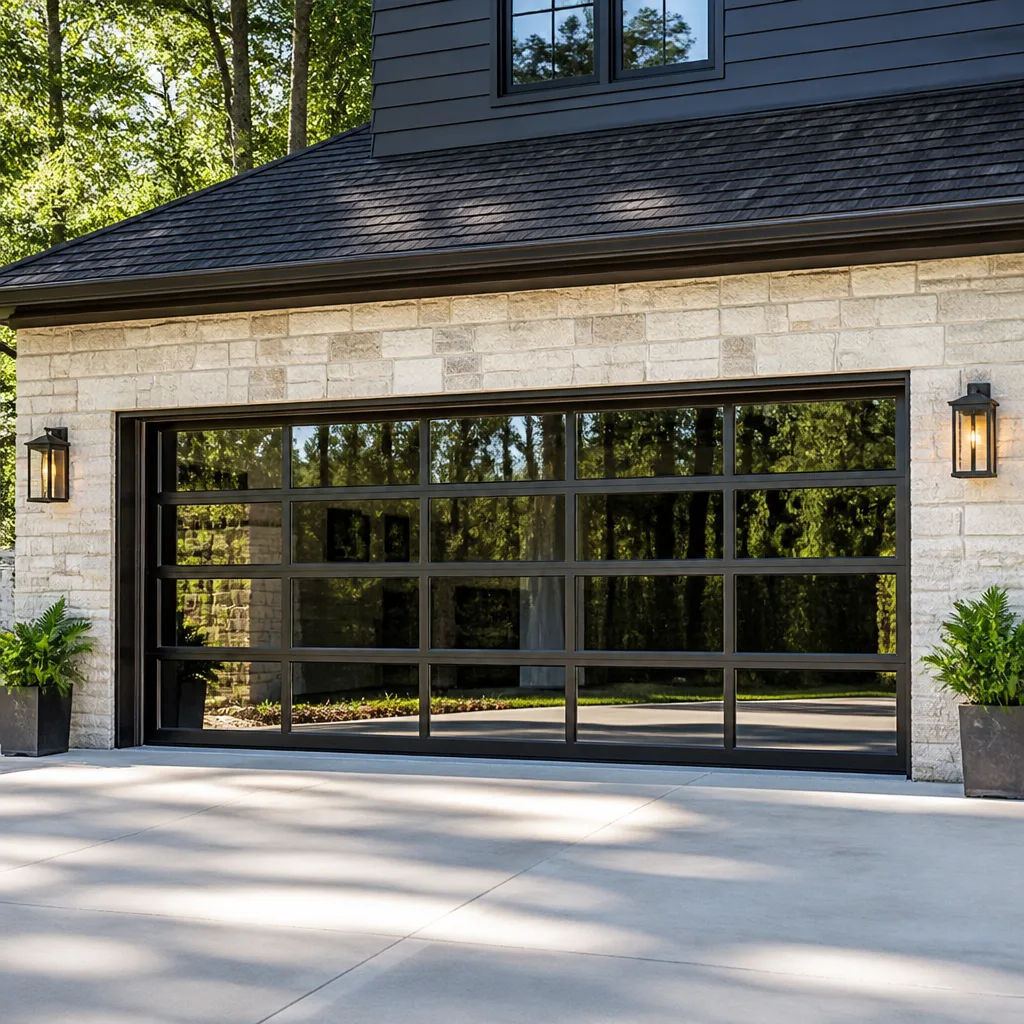 Full-view glass
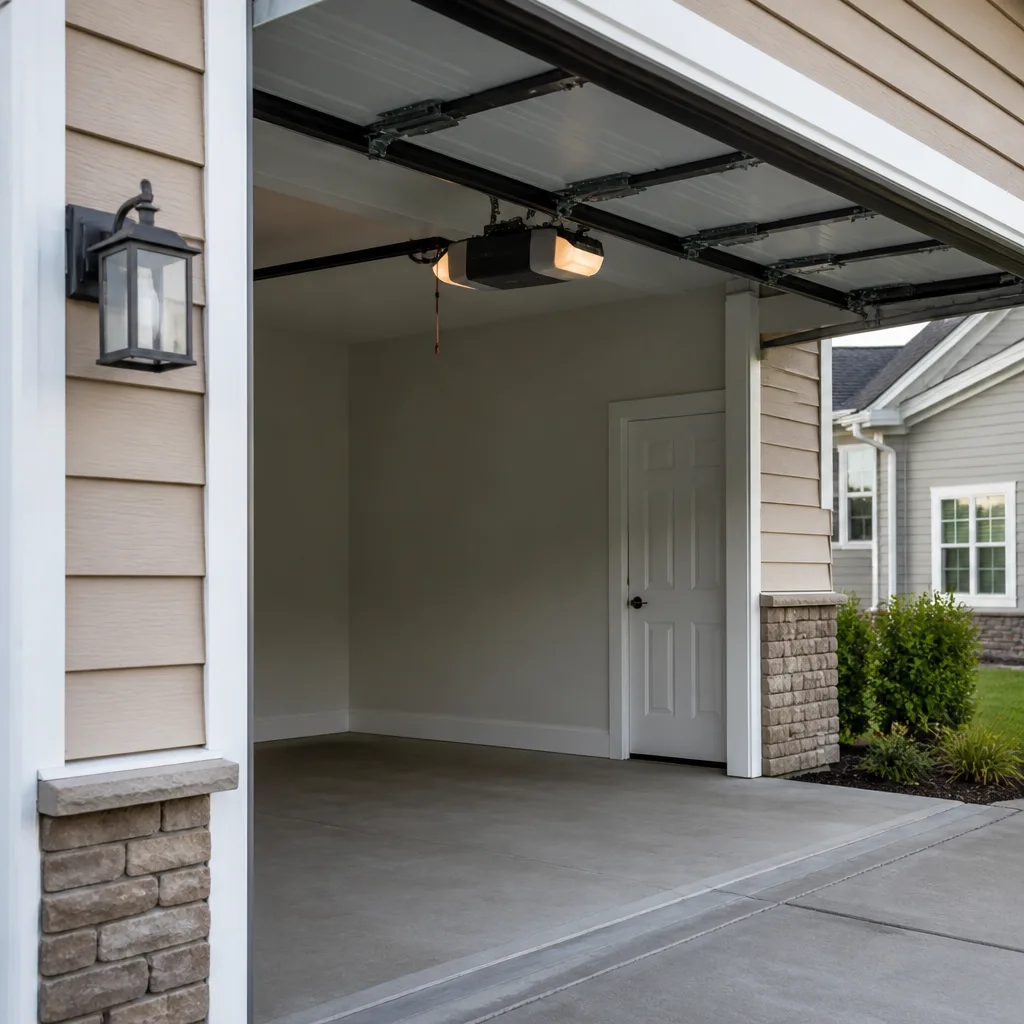 LiftMaster openers
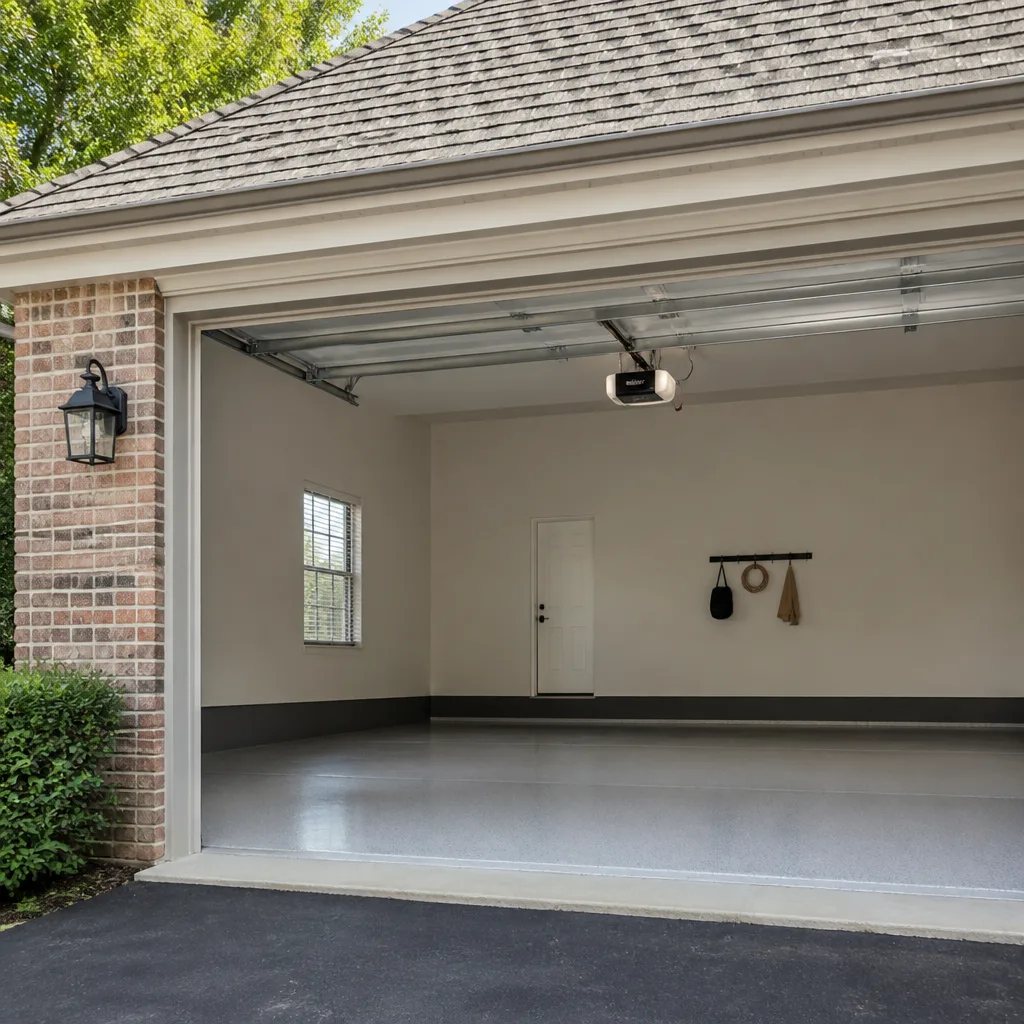 Chamberlain openers
Full 25-point door and opener safety check with every visit - springs, cables, rollers, tracks, and your LiftMaster or Chamberlain opener included
You get a price before we start. It does not change when the pro arrives.
Get your free estimateGarage Door Cost Breakdown: The Meridian-Kessler Homeowner’s Reference for 2026
Two houses on the same Meridian-Kessler block can get quotes four hundred dollars apart for what sounds like the same spring replacement, and both quotes can be honest. The difference usually isn’t the contractor’s mood that morning. It’s the spring’s cycle rating, the headroom over the door, and whether the opener bracket is bolted to a joist or to a century-old brick wall. Most pricing pages skip all of that and hand you a single number. This guide walks through every line item we see in Meridian-Kessler, explains which labor variables genuinely move the price, and shows you how to read a quote so you know which differences are real.
Quick Answer
Garage door repair in Meridian-Kessler typically runs $150 to $600 for common fixes, with torsion spring replacement around $180 to $340 per spring, opener repair around $120 to $350, and sectional panel replacement around $250 to $700 depending on the panel and the brand. The written estimate you receive before work starts is the final price, and the specs on that estimate (spring cycle rating, opener drive type, panel count) matter more than the bottom line by itself.
Styles & brands we work with
- Raised-panel steel
- Carriage house
- Modern flush
- Full-view glass
- LiftMaster openers
- Chamberlain openers
Table of Contents
- How garage door pricing actually works in Meridian-Kessler
- Spring replacement: the number that swings the most
- Sectional panel replacement
- Opener repair and replacement by drive type
- The Meridian-Kessler labor variables that legitimately change price
- Why the DASMA cycle rating is the most cost-relevant spec in a spring quote
- The hidden cost of deferred maintenance
- What a fair diagnostic fee looks like
How garage door pricing actually works in Meridian-Kessler
Garage door pricing is built from four stacked layers: parts, labor hours, site conditions, and access. Parts are the most predictable. A standard torsion spring, a set of nylon rollers, a photo-eye kit, a belt-drive opener rail – those have consistent cost from supplier to supplier. Labor is where contractors diverge. A spring swap on a clean, open ceiling takes a trained technician a predictable amount of time. The same swap in a 1940s Meridian-Kessler garage with a low ceiling, a car parked under the door, and no clear path to the torsion tube takes twice as long and involves real judgment about safety.
Site conditions are the layer most homeowners don’t see in a quote. Meridian-Kessler’s housing stock is old. Many garages were built for a single car, later widened, or built with a flat roof and no attic access. Each of those conditions changes how long a repair takes and sometimes whether it can be done without reinforcement. Access covers everything from whether we can reach the torsion tube with a proper winding bar to whether the driveway is wide enough to safely open a ladder without blocking the street.
That’s what a fair quote is doing: pricing all four layers, not just the part in the box. When you see a range, it’s a range because the quote was written over the phone. When you see a fixed number, the technician has seen the door. If you’d rather start with a fixed number, the path is a garage door repair Meridian-Kessler visit that confirms the scope in person. That’s also why the written estimate you receive before work starts is what you actually pay – not the phone range, and never a surprise line item added afterward.
Spring replacement: the number that swings the most
Springs are the most-quoted and least-explained repair in the trade. A torsion spring stores enough energy to lift a 200-pound door, and when it fails it does so violently. That’s why it’s the one repair most general handyman services pass on – not because it’s rare, but because it requires specific tooling (the right winding bars, rated for the load) and the training to use them. Our technicians have up to 13 years of experience, and spring work is a routine part of what we do every week.
The complication in a quote is that a spring isn’t a spring. Two springs that look identical from the outside can carry very different service life. Here are the typical estimated ranges we see for Meridian-Kessler in 2026:
| Repair | Typical estimated range | Notes |
|---|---|---|
| Torsion spring replacement (one spring, standard cycle) | $180 – $340 | Most single-car and light double doors |
| Torsion spring replacement (one spring, high-cycle) | $250 – $420 | Rated for significantly more cycles |
| Extension spring replacement (one spring) | $150 – $280 | Older doors, side-mounted |
| Matched pair replacement (torsion) | About twice the single-spring range | Matched pairs are usually replaced together |
That table is where most Meridian-Kessler spring quotes go wrong. A pair of springs is not one spring. If the door has two torsion springs, one on each side of the center bearing plate, we replace both at the same time because they were wound the same day and will fail at close to the same time. Quoting a single-spring price on a two-spring door and then adding the second column at the end of the job is the single most common way a quote balloons. Ask which model your door is before agreeing to anything.
If a spring has already let go and the door won’t lift, don’t force it. Trying to open a door with a broken spring can twist the tracks or bend a panel. Call garage door repair and let a trained technician unwind and rewind the system correctly. Springs are safety-critical; the one repair we strongly discourage any homeowner from attempting themselves is this one.
Sectional panel replacement
A sectional door has four or five panels, and damage is usually limited to one. Dents from a car, a bent top panel from a garage door opener pulling too hard, or a bottom panel bent from a bad wheel – all of these can be solved by replacing just that section rather than the whole door. The trick for Meridian-Kessler is matching the profile and color. Clopay and Amarr have residential profiles that come up repeatedly in this neighborhood, and Wayne Dalton doors show up often on mid-century garages along Central Avenue and College Avenue. For any of those we can usually source a matching panel; for older doors the manufacturer may have discontinued the profile, in which case the honest answer is often a partial repaint or a full door replacement.
Estimated ranges for a single panel in Meridian-Kessler for 2026:
- Standard single-car steel panel: $250 – $450
- Double-car steel panel: $350 – $600
- Insulated or premium profile panel: $450 – $700
- Custom or discontinued profile: quoted after sourcing
The labor on a panel swap is quick once the correct section is on hand – the real cost is the part and the lead time for a factory match. This is where parts access matters. When a panel has to be ordered from a factory with a six-week lead, a section swap becomes a full replacement in the customer’s mind. Ordering from the manufacturer’s parts stock, or having a compatible panel on hand, changes the math considerably. When a door has genuinely reached the end of its life, the honest alternative is garage door installation: a new door, measured and ordered to fit, priced in writing before anything is scheduled.
Opener repair and replacement by drive type
Opener pricing confuses more homeowners than any other part of the system because the drive type changes both the part cost and the labor. Three drive types cover almost every residential door in Meridian-Kessler:
- Chain drive: the most common and the least expensive to service. Noisy, durable, and easy to repair when a chain sprocket strips or a trolley fails.
- Belt drive: quieter and smoother, common in garages with bedrooms directly above. Belts age and stretch, and a slipping belt is a repair, not a replacement.
- Screw drive: less common but very robust. Screw drive problems usually trace back to lubrication, not a failed motor.
Typical estimated ranges for opener repair in Meridian-Kessler in 2026 run $120 to $350 depending on the failure. A photo-eye misalignment or a limit switch out of adjustment is at the bottom of that range. A failed logic board or a broken gear in the motor is at the top. When the motor has actually burned out, a full opener replacement runs roughly $350 to $750 for the opener itself, plus labor to install and re-connect the safety systems – LiftMaster and Chamberlain are the most frequent brands we work on, and both have replacement models that fit a standard residential rail without modification. A Genie opener on the same installation often needs a new rail as well.
The one thing we don’t recommend is patching a failing opener motor again and again. A motor that’s started tripping its breaker, smoking, or making a scraping noise internally is usually past the point where a repair makes financial sense. That said, “the opener is dead” is worth checking before you replace it. Some problems that look like motor failure are actually a stripped trolley, a misaligned safety sensor, or a door that’s binding on its tracks – none of which require a new opener. Our garage door opener repair visit is designed to check the cheap fixes first.
The Meridian-Kessler labor variables that legitimately change price
Meridian-Kessler’s garages are older than most of the doors in them, and that history shows up in the labor line. Three site conditions come up over and over:
- Low-headroom conversions on 1940s garages. A garage built for a single car in 1948 often has a low ceiling and side-mounted extension springs instead of a torsion bar. Converting the door or the opener to a torsion setup requires a different bracket, sometimes a reinforcement strut, and careful measurement of the headroom available. It’s real additional labor, not a padding line.
- Double-car doors on single-spring legacy setups. Some Meridian-Kessler garages have a wide double door being lifted by a single spring that was sized for a lighter door. That’s a legitimate safety concern on any visit. If the spring is being replaced anyway, the honest approach is to size the new spring for the actual door weight and consider a matched pair, not add a second spring to a single-spring price without explaining why.
- Brick-wall opener bracket installs. Many homes in Meridian-Kessler have masonry construction rather than wood-framed garages. A garage door opener bracket that would ordinarily be lag-bolted to a wood joist has to be anchored into brick or block, which means a different anchor and a different setting process. That’s a fixed amount of extra work, but a contractor who hasn’t done it before may quote it as a full day.
None of these are surprises if the contractor has seen the door. All of them are legitimate reasons why a quote taken over the phone may grow once the technician is looking at the actual garage. The honest version of “the price changed when we got there” is a correction explained to you before any work is done, with your agreement. If it isn’t explained, don’t accept it. Free estimates exist precisely so we can see the garage before we write a number.
The last labor variable worth mentioning is access. A door that’s packed tight by a car that can’t easily be moved, a driveway with a slope that makes ladders unstable, an opener with no power outlet near it – those add time. Most of them can be solved with a quick conversation before the technician arrives.
Why the DASMA cycle rating is the most cost-relevant spec in a spring quote
If you take one thing from this guide, take this: a spring’s cycle rating is the number of open-and-close movements it is rated to survive before failing. The Door and Access Systems Manufacturers Association (DASMA) sets the standard ratings manufacturers publish. A standard residential spring is typically rated for around 10,000 cycles. Higher-rated springs are commonly rated for 20,000 or more, and a few options reach 30,000 cycles or higher depending on the wire size and length. That’s the number that determines how many times you’ll replace it before the door itself wears out.
For a household that opens the door four times a day (two cars leaving and returning), that’s about 1,460 cycles per year. A 10,000-cycle spring lasts around seven years of that pattern. A 30,000-cycle spring lasts roughly twenty. The part cost difference is modest; the difference over the life of the door is several service calls you never make.
Here’s what to ask when you get a spring quote, instead of asking whether the spring is “standard” or “heavy duty”:
- What cycle rating is this spring? If the contractor doesn’t have a number, get a different quote.
- What’s the price for a higher-cycle spring on this door? Even if you don’t choose it, the answer tells you the contractor understands the spec.
- Are both springs being replaced to the same rating? A mixed pair wears unevenly and is a safety issue.
- What’s the wire size and inside diameter? The cycle rating is determined by these plus the door weight, and a technician should be able to state them.
“Heavy duty” is not a spec. It’s a phrase that gets printed on boxes and doesn’t tell you whether you’re getting a 10,000-cycle spring or a 20,000-cycle spring at twice the price of the last one. Springs are safety-critical hardware – the difference between a properly rated spring and an under-rated one is not cosmetic. When the door comes off the tracks because a spring snapped at the wrong moment, the panel cost lands at hundreds of dollars more than the spring ever would have.
The hidden cost of deferred maintenance
Rollers, hinges, and tracks are the cheapest parts on the door and the ones most often ignored. The math on ignoring them isn’t dramatic on paper, but it’s been our experience that small repairs left alone for a year and a half become big ones.
Here’s the pattern we see in Meridian-Kessler. A set of nylon rollers wears flat and starts dragging; the door gets noisier and the opener has to work harder to lift it. Left alone, a seized roller starts gouging the track. The damaged track then bends the hinge on that section, and the door runs off-center. Now the opener motor has been straining against the drag for eighteen months, and it fails about the same time the track needs replacing. What started as a $60 roller replacement becomes a $400 track realignment plus an opener motor replacement. We’ve written that story into estimates more times than we can count, in every corner of Meridian-Kessler.
The parts that are worth replacing proactively, roughly in order of cost-effectiveness:
- Rollers: the cheapest preventive replacement on the door, with the biggest effect on noise and drag
- Hinges: last for years but wear faster on a door that runs a lot
- Bottom weather seal: critical in this climate; a failing seal lets cold air under the door and eventually rots the bottom panel
- Cables: typically replaced with the springs, but worth inspecting on any visit
- Track alignment: check annually; a bent track is far cheaper to adjust than to replace
If you hear a rattle, a scrape, or a grinding noise on the way up, get it looked at. The sound is the door telling you which cheap part is about to become an expensive one. We sell garage door parts directly, so the parts are not the bottleneck on the repair – the delay is entirely about getting someone out to look at it.
What a fair diagnostic fee looks like
Diagnostic pricing in the garage door trade is inconsistent, and the difference between a fair contractor and a padded one often shows up here first. Here’s how to read it:
- A free estimate means a free estimate. If the estimate is described as free on the phone, the number you receive at the end of the visit should not include a trip charge.
- A fee that’s credited toward the repair is a normal, transparent model. If the company charges to diagnose and applies that charge against the repair cost when you proceed, that’s the practice of a business that wants to be paid for its time without punishing you for wanting a quote.
- A fee that’s charged AND the repair quote isn’t adjusted is padding. Watch for a $149 diagnostic fee followed by a quote that isn’t lower than a competitor’s inclusive number.
- A quote that changes after the diagnostic without explanation is a red flag. Site conditions can change price legitimately (see above), but the change should be explained to you and agreed to before any work starts.
Our model is simple: the estimate is free, and the written estimate you agree to is the price you pay. That removes the guessing about whether the fee gets absorbed, and it stops the “we found another problem” conversation from becoming an invoice.
Common Mistakes to Avoid
- Quoting one spring when the door has two. A matched pair is replaced together; a single-spring quote on a two-spring door is the most common source of sticker shock in Meridian-Kessler.
- Choosing the cheapest spring quote without asking the cycle rating. A 10,000-cycle spring and a 30,000-cycle spring look identical from the outside and are priced differently for a reason.
- Skipping roller and hinge maintenance. The single cheapest thing you can do to keep the whole system healthy; ignoring it adds cost across the whole door.
- Letting a generalist tackle a spring repair. The tools and training are specific, and a spring that lets go under the wrong hands injures people. Hire a specialist.
- Accepting a price quoted over the phone as final. A phone range is a range until a technician has seen the garage headroom, the ceiling joists, and the driveway approach.
- Replacing a door when one panel would solve it. Most panel damage is repairable; a quote that jumps straight to a full replacement deserves a second opinion.
- Ignoring the safety reverse test. A photo-eye misalignment is cheap to fix; a child injured by a door that doesn’t reverse is not. Test it monthly.
See the difference
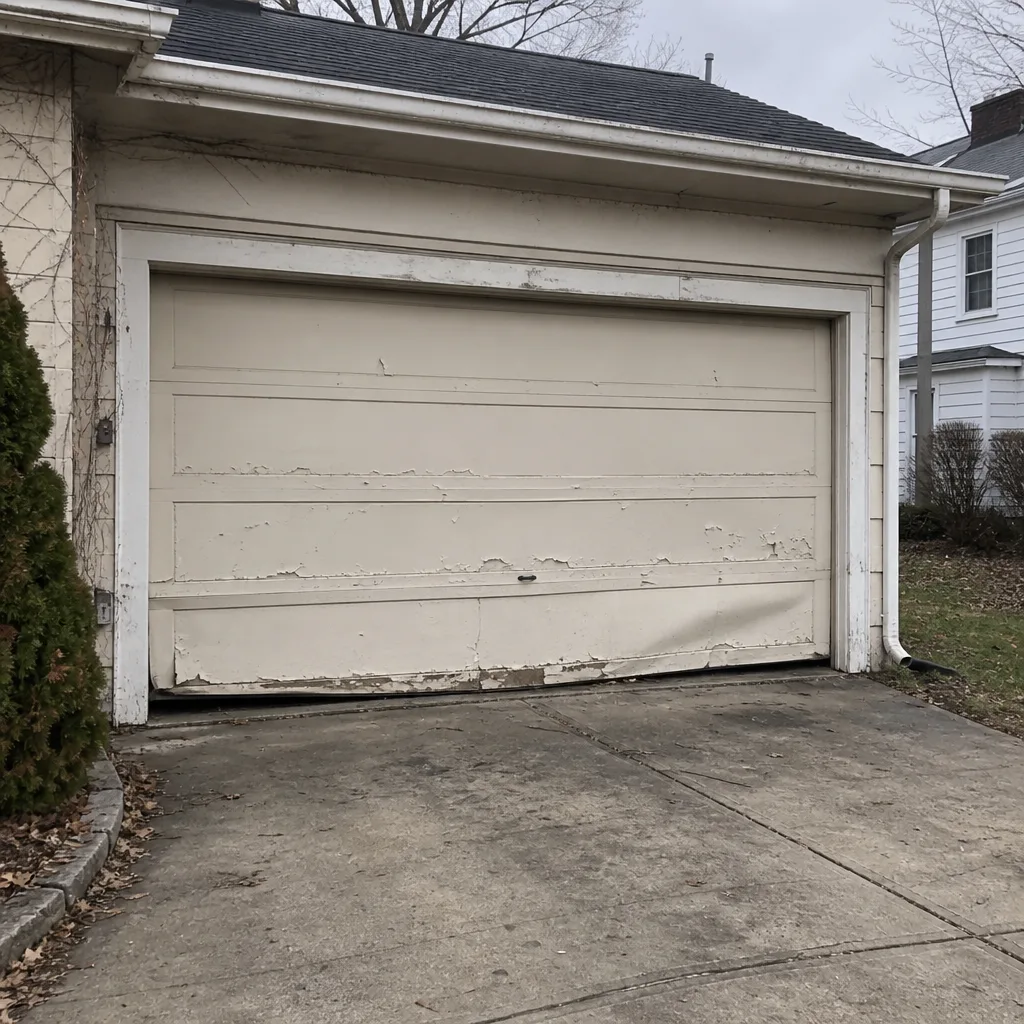 Before
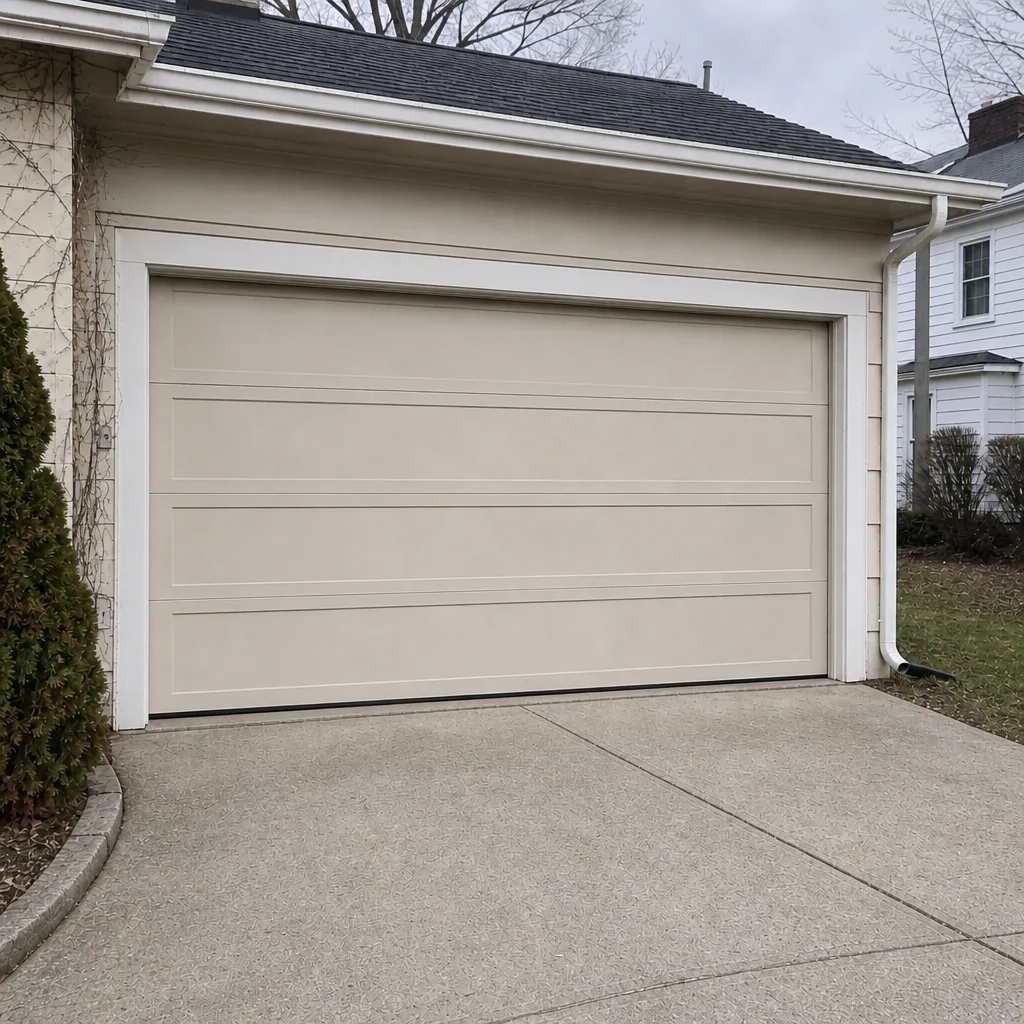 After
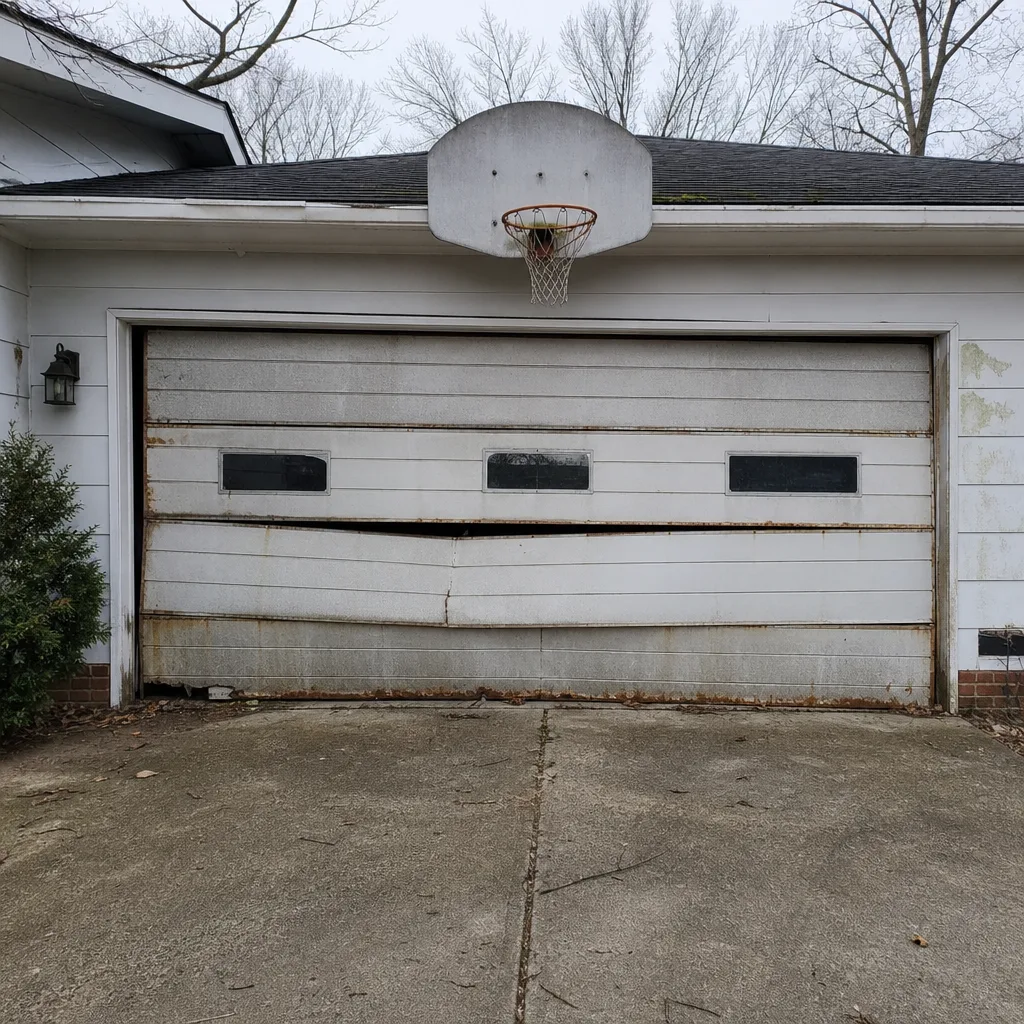 Before
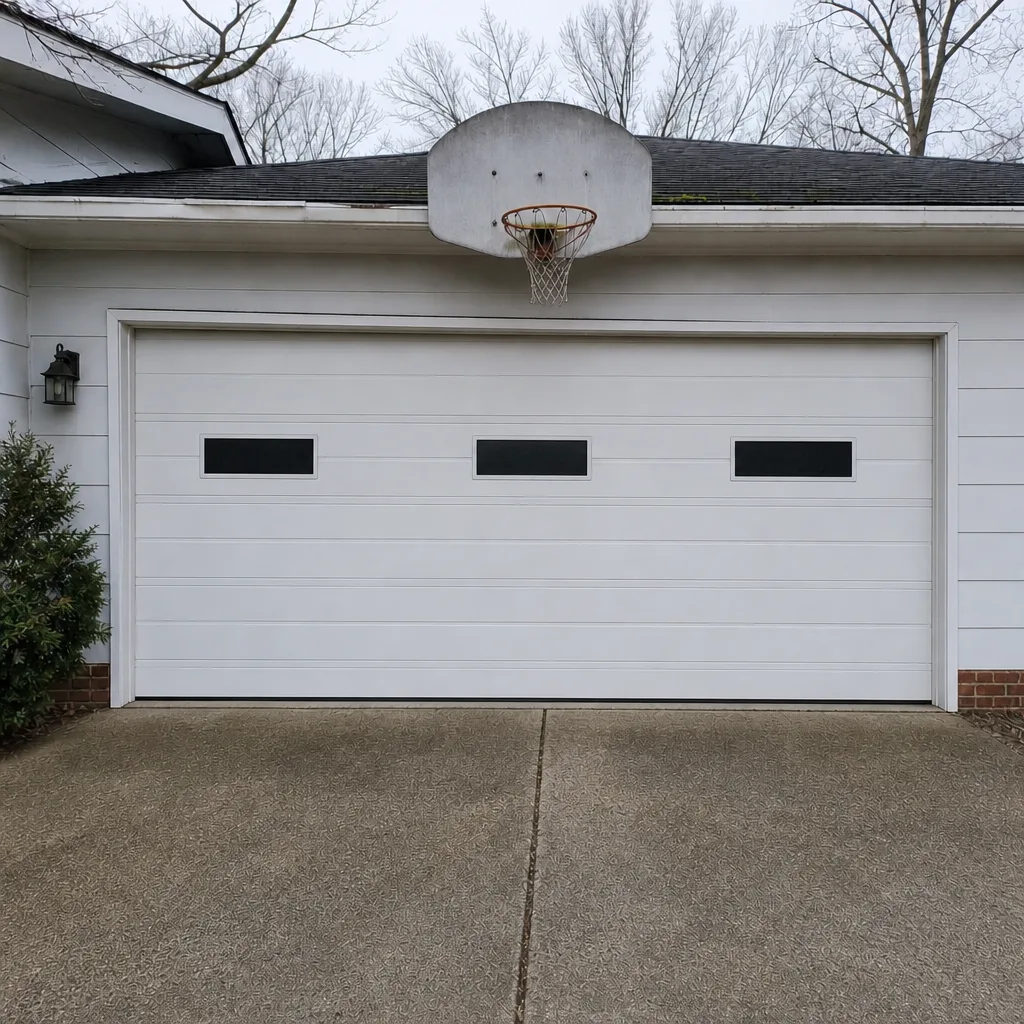 After
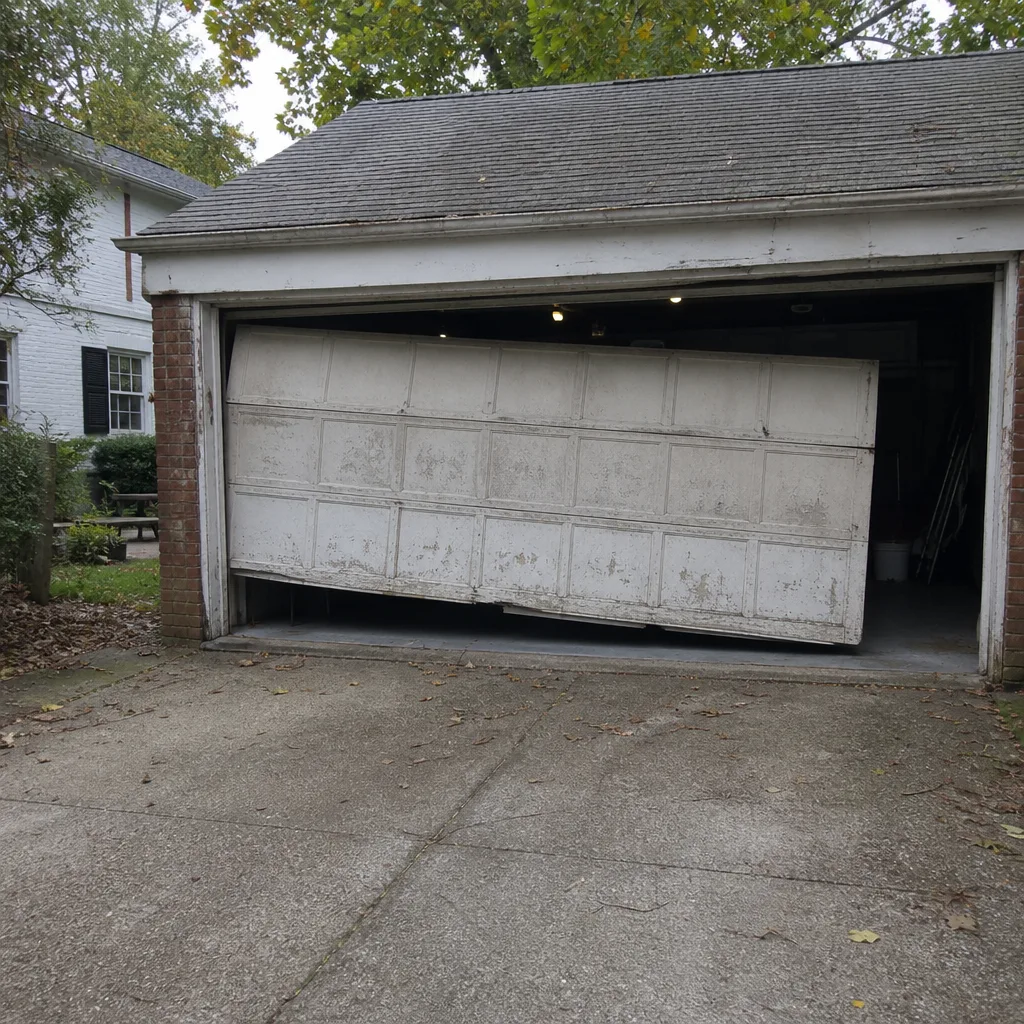 Before
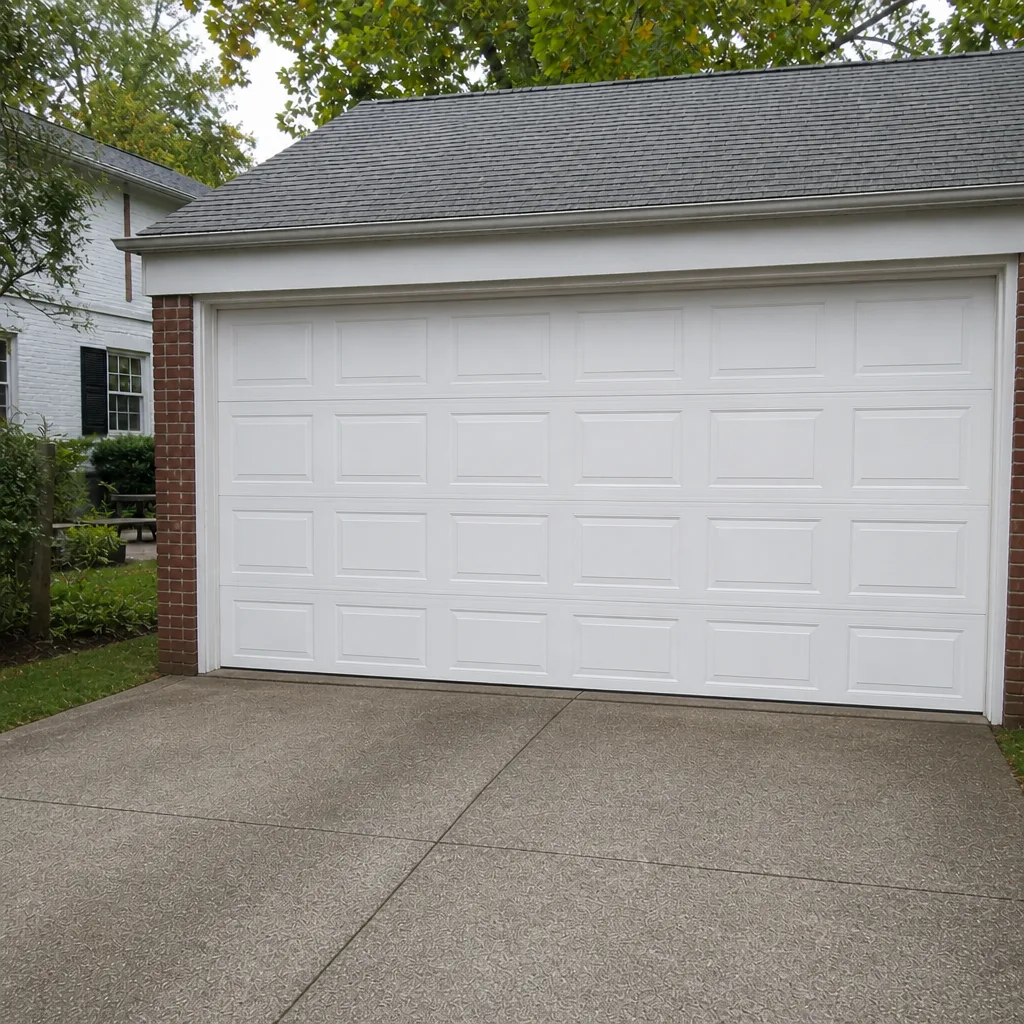 After
When to Call a Professional
Call a professional any time a torsion spring has broken, a door has come off its tracks, a cable is frayed, or the door won’t lift at all – those are the scenarios where the risk of injury to a homeowner is real, and where the fix depends on tooling and training most people don’t have. Call when the opener is smoking, repeatedly tripping the breaker, or won’t reverse when the safety beam is blocked. Call when a panel is bent enough that the door binds on opening. Call when the door is louder than it used to be, slower to open, or the bottom seal is letting in daylight around the edges. None of these require an emergency; all of them require a specialist. Garage Door Repair Meridian-Kessler offers free estimates in Meridian-Kessler – call (877) 792-5753. We answer 24/7. Fast dispatch from 7am to 7pm, Sunday through Friday.
Frequently Asked Questions
Most garage door repairs in Meridian-Kessler run $150 to $600, with the range depending on whether the job is a part replacement (rollers, hinges, photo-eye), a spring replacement ($180 to $340 per spring for a standard torsion spring), or an opener repair ($120 to $350). Panel replacement adds $250 to $700 per panel. Call (877) 792-5753 for an exact quote on your door – estimates are free.
Two quotes for what looks like the same spring are usually quoting different springs. A standard 10,000-cycle spring and a high-cycle spring rated for 20,000 or 30,000 cycles have different wire sizes and prices, and they look identical from the outside. A matched pair quote also looks like a single spring quote when it isn’t. Ask for the cycle rating on every quote and you’ll see the difference in a number. If a quote doesn’t have one, ask for it – or call (877) 792-5753 for a written estimate that names the spec.
We dispatch Sunday through Friday, 7am to 7pm, and same-day service is often available for repair calls. We answer 24/7. When you call outside dispatch hours, we book you into the next opening, Sunday through Friday. Call (877) 792-5753 to check the day’s availability.
Sometimes, yes – but only if a site condition was missed on the phone, and only with your agreement before any work starts. Common reasons a Meridian-Kessler quote adjusts in person are low headroom on an older garage, a brick-wall opener bracket, or a matched-spring pair that wasn’t visible from the description. The written estimate you sign is the price you pay. Call (877) 792-5753 to set up the estimate – it’s free.
We connect you with state-licensed, insured, and bonded local professionals, and the technician who comes to your home is working under those credentials as their state requires. Our technicians have up to 13 years of experience, and every repair is worked through the written estimate before any tool is opened. Call (877) 792-5753 for an estimate.
No. Garage door torsion springs hold enough stored energy to cause serious injury if they’re wound or released incorrectly, and releasing one without the right winding bars can easily break a wrist. This is the single repair we recommend against doing yourself, no matter how straightforward a video makes it look. Leave it to a trained technician – call (877) 792-5753 for a free estimate.
The Bottom Line
Garage door pricing in Meridian-Kessler is not a single number you can price in advance over the phone. It’s a stack of parts, labor, site conditions, and access, and every one of those layers varies house by house. What you can do is read a quote the way a specialist reads it: check the cycle rating on the spring, confirm whether it’s a single spring or a matched pair, ask what panel profile the door actually is, and confirm the opener drive type. Two quotes on the same block that differ by $400 are usually quoting two different jobs. A fair quote explains which job it’s for, in writing, before the first tool comes out of the bag. Call (877) 792-5753 for a free estimate in Meridian-Kessler. We answer 24/7. Fast dispatch from 7am to 7pm, Sunday through Friday.
Written by the team at Garage Door Repair Meridian-Kessler.