
Last updated November 20, 2026
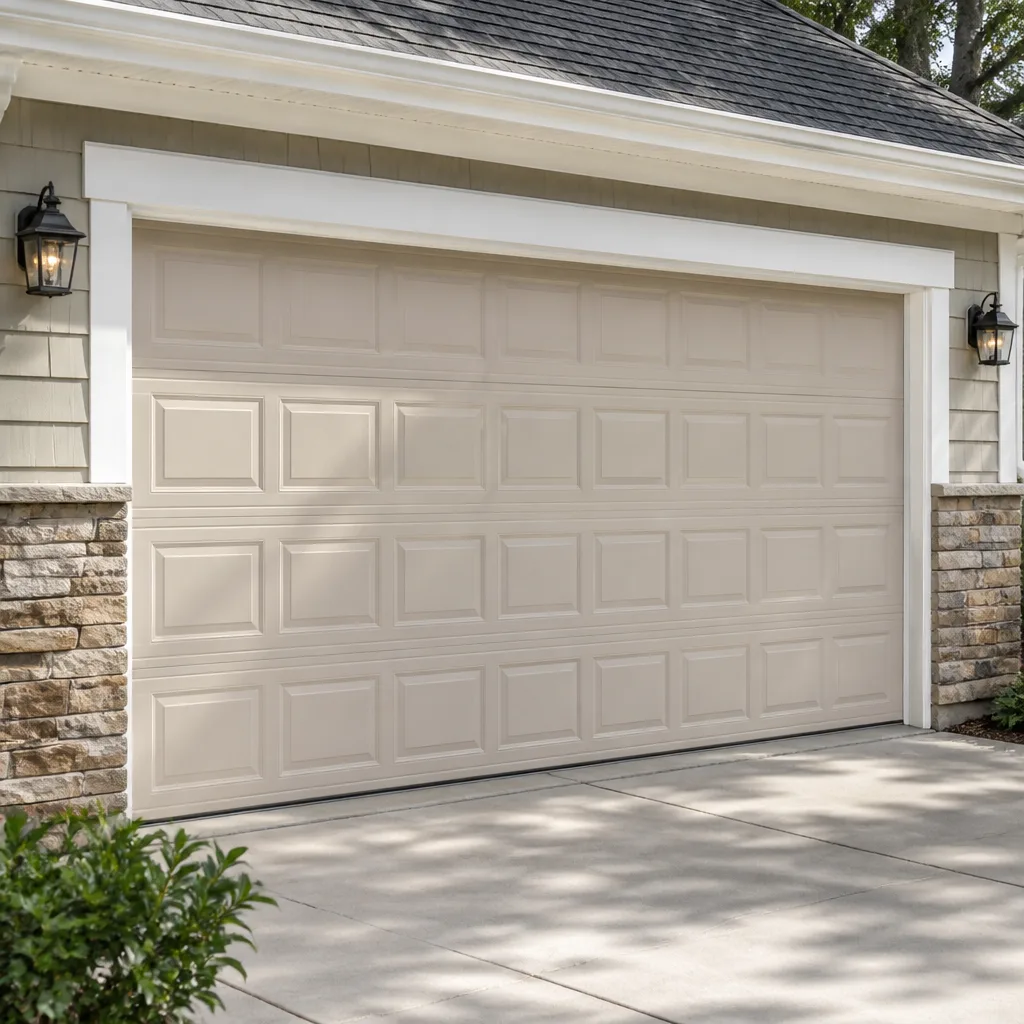 Raised-panel steel
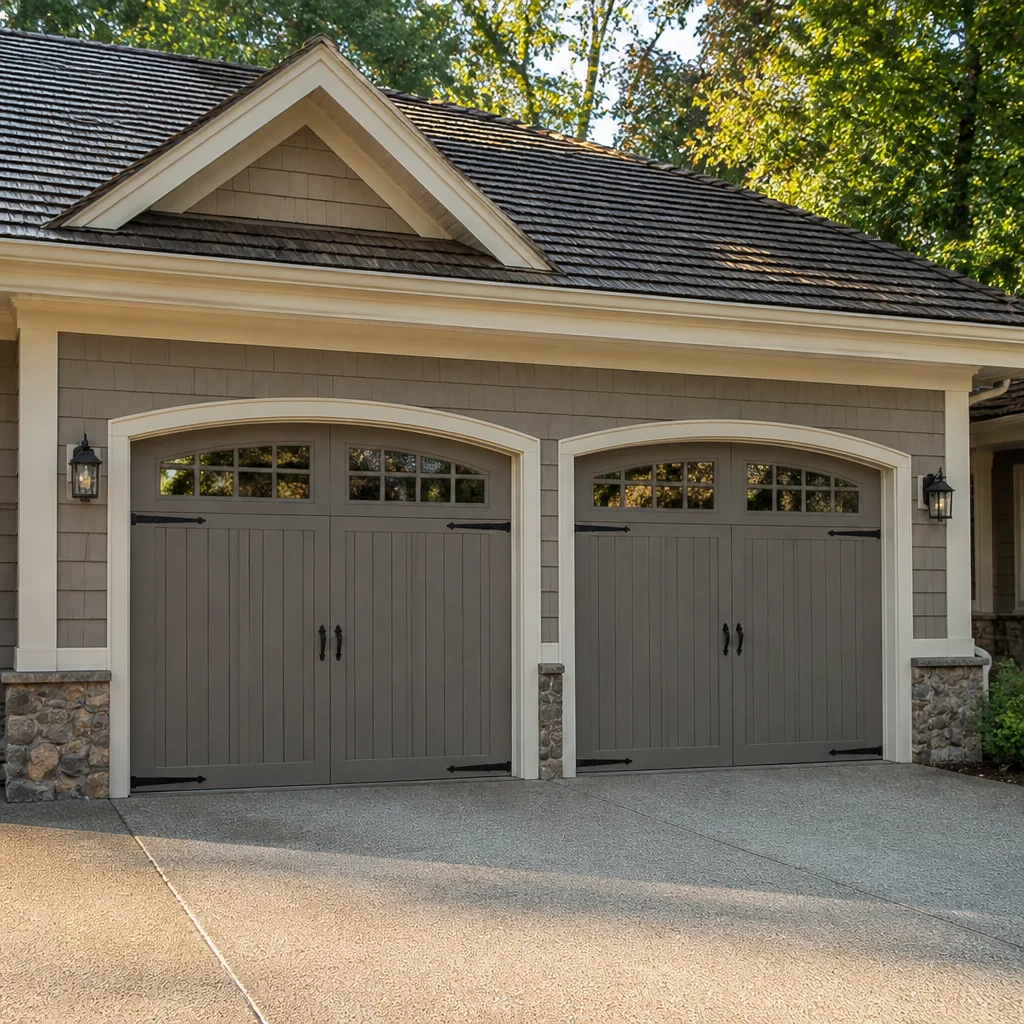 Carriage house
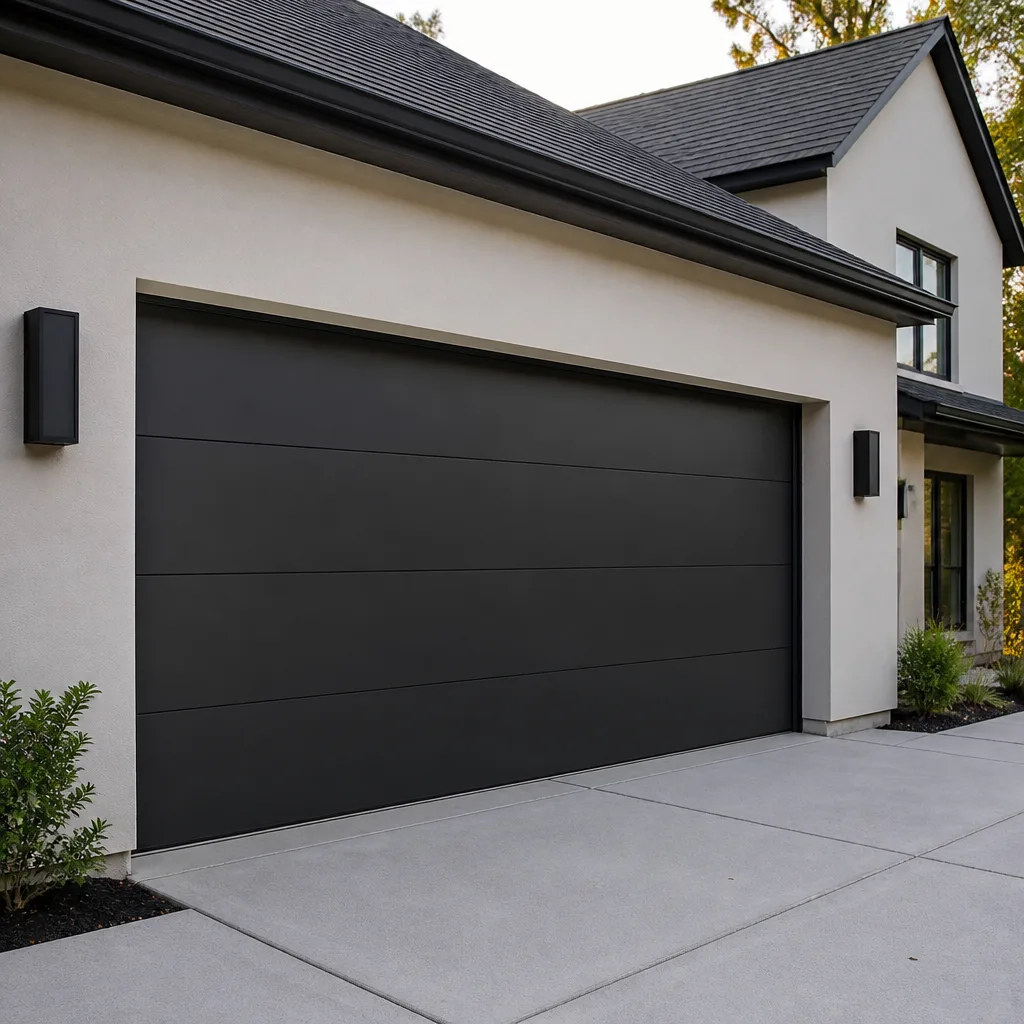 Modern flush
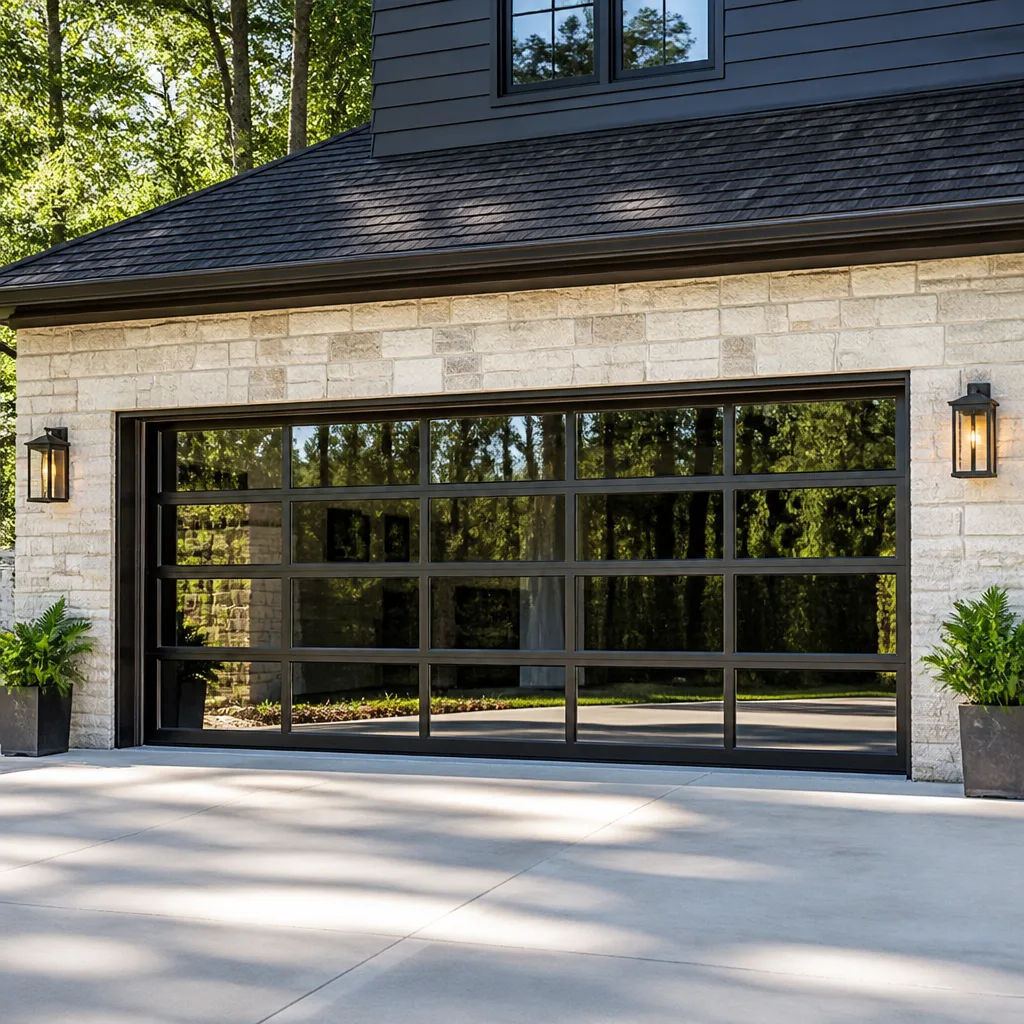 Full-view glass
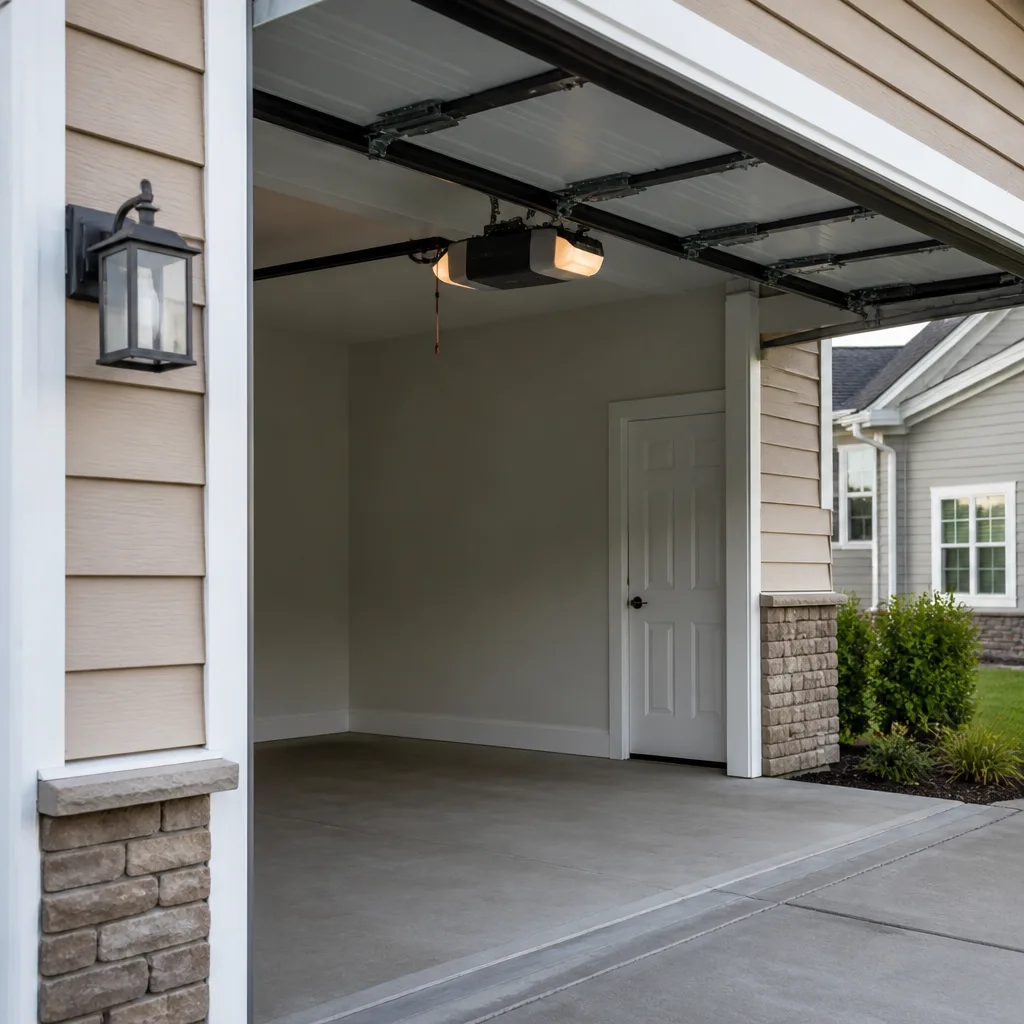 LiftMaster openers
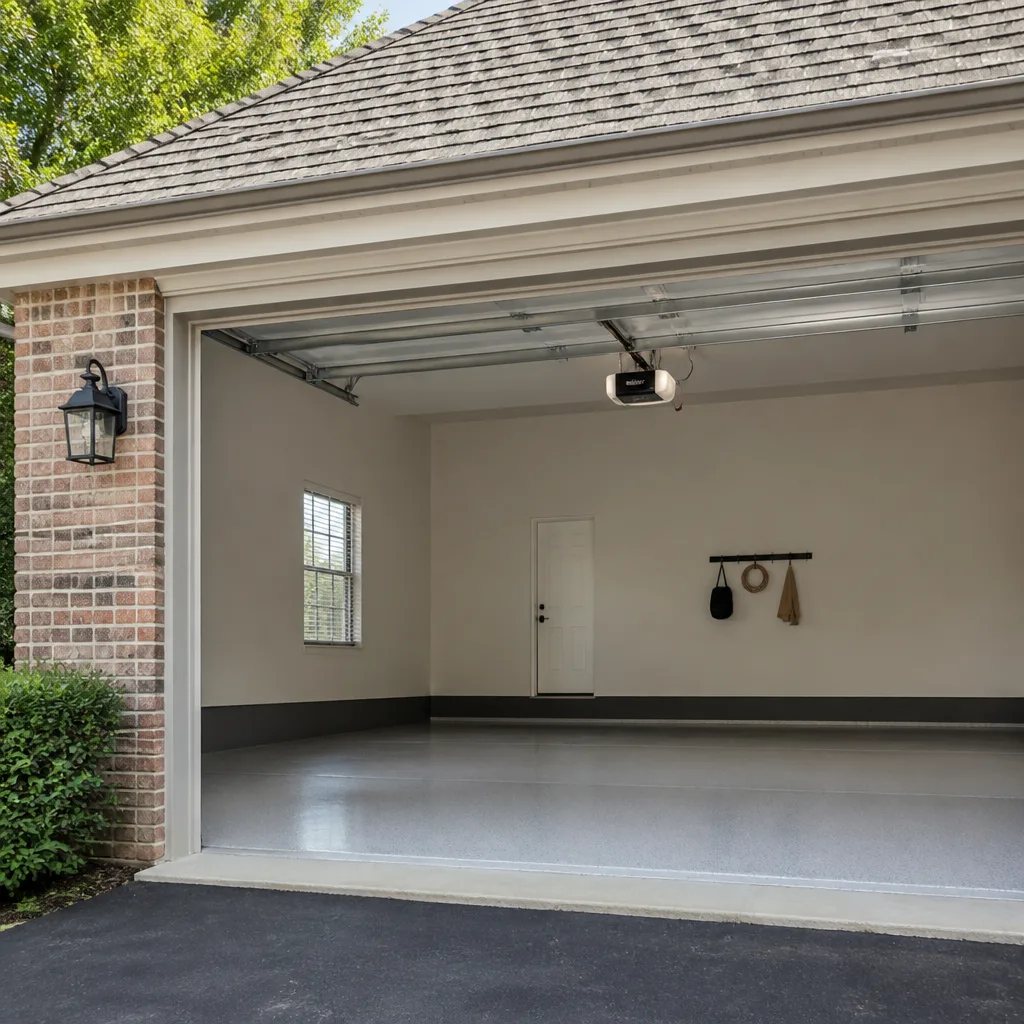 Chamberlain openers
Full 25-point door and opener safety check with every visit - springs, cables, rollers, tracks, and your LiftMaster or Chamberlain opener included
You get a price before we start. It does not change when the pro arrives.
Get your free estimateDIY vs Professional Garage Door: The Meridian-Kessler Homeowner’s Decision Guide
Most advice about garage door repair treats DIY as a skill test. Can you handle a wrench? Do you know which end of a screwdriver goes where? That framing misses the point. A torsion spring on a typical 16×7 door holds enough stored torque to break a wrist if a winding bar slips out of position, and that risk doesn’t care how handy you are around the house. The real dividing line isn’t competence. It’s which specific tasks carry injury potential that grows with the force stored in the system. This guide walks through that line task by task in Meridian-Kessler, from the jobs you can safely knock out on a Sunday to the ones that belong to a specialist.
Quick Answer
Painting, lubricating, replacing weatherstrip, aligning safety sensors, and reprogramming remotes are safe, sensible DIY jobs for most Meridian-Kessler homeowners. Torsion spring replacement, cable work, and spring-loaded trolley disassembly are not: the stored force in these components is high enough to cause serious injury, and the correct tools (winding bars, locking pliers, calibrated torque) are specialized. Everything between those poles, like panel repair or opener logic-board diagnosis, depends on your comfort and the specific part.
Styles & brands we work with
- Raised-panel steel
- Carriage house
- Modern flush
- Full-view glass
- LiftMaster openers
- Chamberlain openers
Table of Contents
- Where the DIY Line Actually Falls
- Why Torsion Springs Are a Different Category
- Extension Springs and Meridian-Kessler’s Older Single-Car Doors
- The Tools That Make Spring Work Safe
- The Real Cost Math: DIY Spring Replacement vs Professional
- Three Safe Opener Tasks and One That Isn’t
- How Meridian-Kessler Climate Affects the Decision
- Common Mistakes to Avoid
Where the DIY Line Actually Falls
Here’s the honest version. About 80 percent of what people call “garage door repair” is genuinely approachable for a careful homeowner with a stepladder and a Saturday morning. The other 20 percent isn’t. That 20 percent is concentrated in a few components where the mechanical energy stored in the door system is highest.
Safe for most homeowners:
- Painting or refinishing panels. Prep, prime, and paint on a steel or wood door. Just avoid painting over the hinges or the bottom rubber.
- Replacing bottom weatherstrip. Pull the old seal, slide in the new one, trim to length.
- Lubricating hinges, rollers, and tracks. A garage-door-specific lubricant on moving metal parts a couple of times a year keeps things quiet.
- Aligning or replacing safety sensors. The photo-eye pair at the bottom of the tracks. If the door reverses on its own, misaligned sensors are the first thing to check.
- Reprogramming remotes and keypads. Follow the manual for your opener brand. LiftMaster and Chamberlain models have slightly different programming sequences, but both are covered in the paper manual or the manufacturer’s online support.
- Replacing rollers. This one is borderline: nylon rollers are easy. Bottom-bracket-adjacent rollers are not, because that bracket is under cable tension.
Not safe for most homeowners, and not just because of complexity:
- Torsion spring replacement. The single most dangerous component in the door system.
- Extension spring replacement. Lower force than torsion, but the snap-back risk on older springs is real.
- Cable replacement. Cables carry load directly from the springs. Never touch them while the door is under tension.
- Bottom bracket removal. The bracket the cable attaches to. It’s under constant tension.
- Spring-loaded trolley disassembly on the opener rail. We explain this one in detail below.
Anything above the line warrants a trained technician. If you’re in Meridian-Kessler and the job sits above the line, garage door repair Meridian-Kessler is set up for exactly these calls. Our technicians have up to 13 years of experience with the systems most homes here already have.
Why Torsion Springs Are a Different Category
A torsion spring works by storing rotational energy. When the door closes, the spring winds up. When the door opens, the spring releases that stored energy to help lift a door that might weigh 150 to 250 pounds. On a typical 16×7 door, a properly wound torsion spring holds roughly 100 foot-pounds of torque. That’s more force than a person can safely counter with their hands.
To replace one, you have to unwind the stored tension first. That means inserting two steel winding bars into the cone on the spring, lifting the door slightly to release the set screws, and rotating the spring down in quarter-turn increments on both bars simultaneously. If one bar slips out while the other is still loaded, the spring unwinds fast and the bar becomes a projectile.
That’s the specific mechanism behind most DIY garage door injuries. It isn’t the spring that hits you; it’s the tool. The injury happens in a fraction of a second and there’s no way to recover once the bar is out of your hands.
This is also the main reason many general handyman services quietly decline spring jobs. It’s not that they can’t turn a wrench. It’s that spring work requires tooling and training specific to the task, and the liability is real. A specialist dedicated to garage doors only – rather than someone stretched across plumbing, drywall, and garage doors – carries the right tooling and the muscle memory for this one job. If you’re staring at a snapped spring right now, our team handles garage door repair for this exact failure as a routine call.
Extension Springs and Meridian-Kessler’s Older Single-Car Doors
Meridian-Kessler has a lot of older housing stock, and quite a few single-car garages still run on extension springs rather than torsion. Homeowners often assume extension spring replacement is a manageable DIY because the spring looks simpler. It stretches in a straight line instead of winding on a bar. What could go wrong?
Extension springs don’t store torque, but they do store tension, and they fail at the ends, not the middle. When an older extension spring breaks, the two halves snap back toward their attachment points at high speed. That’s why the modern safety standard for extension springs includes a containment cable running through the center of each spring. If your older Meridian-Kessler garage door still has extension springs without containment cables, and many do, the risk in a break is significantly higher than a homeowner expects.
There’s a second layer of risk that catches people: the looping of cables and pulleys that carry the extension spring load is easy to misroute when reassembling. A stretched spring that seems fine in the closed position can have too much or too little tension at full open, and the door will behave unpredictably over the first week. That kind of “worked yesterday, weird today” behavior is the classic outcome of a nearly-right extension spring job.
Our advice for extension spring doors in Meridian-Kessler: if the spring has broken or the door is out of balance, let a technician look at it. The cost of a professional replacement is modest; the risk is not worth the savings. Our technicians have seen the range of older spring configurations this neighborhood’s single-car garages still use, and we sell the parts directly so a replacement doesn’t stall on a special order.
The Tools That Make Spring Work Safe
If you want to understand why professional spring replacement is safe while DIY isn’t, look at the tool list. These aren’t exotic items you can’t buy, but each one exists for a specific safety reason and each has a cheap substitute that shouldn’t be used.
- Winding bars (a matched pair). Solid steel, sized to fit the winding cone of your specific spring. Using a screwdriver, a length of rebar, or a socket extension as a substitute is where most injuries happen. The substitutes don’t fit the cone properly and tend to slip at the exact moment the load is highest.
- Locking pliers or a winding-bar clamp. These hold the door in a locked position while the spring is being unwound. Without one, the door can drift down as you release tension, dumping additional torque onto the bar in your hand.
- Calibrated torque and spring-tension specs. The number of full turns the spring needs when winding back up is specific to the door weight, spring gauge, and door height. There’s no universal number, and getting the wind count wrong is the most common DIY error. Too few turns and the door won’t open; too many and the spring is overstressed and the opener strains to close the door properly.
- Door clamps. For holding the door in place at the right height. A vice-grip on the track works, but a purpose-built clamp is safer and doesn’t scar the track.
- The correct replacement spring. Springs are matched to door weight. A “close enough” spring from a hardware store bin will shorten spring life, strain the opener, and create a door that doesn’t sit properly when closed.
The pattern here is important. The job isn’t unsafe because the tools are hand tools; it’s unsafe because the wrong tools fail catastrophically. Improvising tools is exactly where the injuries happen.
If you need spring work done and you’re not certain of the wind count, spring size, or door balance, call (877) 792-5753. Free estimates, and the price is written before we start.
The Real Cost Math: DIY Spring Replacement vs Professional
Spring replacement is where the DIY-vs-professional math gets interesting. Homeowners often compare the cost of a spring at a parts supplier to the cost of a professional replacement and see a wide gap. What that comparison misses is the probability of a second service call.
Here’s the typical range for spring work in the Meridian-Kessler market. Each figure is for one spring; matched pairs are usually replaced together, so a pair costs about twice the single-spring figure.
- Torsion spring replacement (one spring): typically $180 to $340
- Extension spring replacement (one spring): typically $140 to $260
- Cable replacement (one side): typically $90 to $180
- Roller replacement (set): typically $80 to $180
- Opener logic board or gear replacement: typically $180 to $360
Those ranges are estimated and depend on the door. The written estimate always sets the final price.
The realistic DIY total on a torsion spring job looks like this: spring cost plus two winding bars plus locking pliers plus a door clamp. Then add the possibility of a second call if the wind count is wrong, the door isn’t balanced, or the safety reverse doesn’t trip because the tension is off. That second call usually runs at the same rate as the first, because the work has to be undone and redone. Once you add that probability to the parts cost, the average DIY outcome doesn’t save much over a professional replacement, and it’s meaningfully more likely to leave you with a door that doesn’t work right.
Our team quotes the price before any work starts, and the written estimate is what you pay. If you want to compare totals on your specific door, the fastest path is a call.
Three Safe Opener Tasks and One That Isn’t
Openers live in a different risk category than springs. The electrical hazard is real but manageable if you unplug the unit first, and the mechanical parts are mostly low-force. Most opener maintenance belongs on the DIY side of the line.
Safe DIY opener tasks:
- Reprogramming remotes and keypads. Every model has a learn button and a pairing sequence. Chamberlain and LiftMaster both publish this in the paper manual and on the manufacturer’s site. Genie’s sequence differs slightly. If the manual is gone, call us with the model number and we’ll walk you through it.
- Replacing the safety sensor pair. Unplug the opener, swap the sensors, re-aim so both LEDs are solid, and test the reverse. Straightforward.
- Adjusting the open and close force limits. Small trim adjustments on the opener’s limit screws or digital menu fixes doors that stop slightly too early or reverse slightly too late. Follow the manual for the specific brand.
Not safe for DIY opener work:
- Disassembling the spring-loaded trolley on the opener rail. Some openers, particularly certain older models, use a spring-loaded trolley car or a tensioned rail carriage. The spring inside is small, but the stored energy is real, and reassembling it correctly requires knowing the exact tension point. Get it wrong, and the trolley can pop off the rail and fire toward the door or the wall. It’s not a spring with a winding bar hazard, but it’s still a spring-loaded assembly, and it’s the one opener task we’d recommend against attempting.
For logic board faults, gear replacement, or opener motor failures, the answer is less about safety and more about part availability and diagnosis. When your opener is running but not lifting, running briefly then stopping, or not responding to any remote, that’s a technician call. Our team handles garage door opener repair on the brands most Meridian-Kessler homes have, including LiftMaster and Chamberlain, so you don’t get stuck in the “we don’t work on that model” loop.
How Meridian-Kessler Climate Affects the Decision
Meridian-Kessler sits in a climate zone where temperatures swing from well below freezing in winter to upper 80s and low 90s in summer, and the swing matters for garage door systems. Springs cycle differently when the metal is cold, cables develop different tension characteristics in winter, and the rubber weatherstrip on the bottom of your door takes the brunt of both extremes. That’s why our recommendation for weatherstrip work is different from what you’d get in a stable-climate market: check the seal every fall, don’t wait for a leak.
The summer/winter swing also affects opener behavior. Cold-tightened tracks can cause a door to drag slightly and a safety reverse to trip more often than it should. Many “my opener is broken” calls in Meridian-Kessler resolve to a door that’s out of balance or a track that’s drifted a few millimeters in the cold – not an opener fault at all. If your door reverses when it’s cold but not when it’s warm, that’s the pattern. A technician can adjust for it correctly.
The neighborhood’s older housing stock also plays in. Single-car garages were common in the original construction and remain common on the side streets between 38th and 54th, and those narrower doors use different spring configurations than a newer double-car setup. If you’re installing or replacing a door, the same climate considerations apply to the panel choice, insulation level, and opener sizing. Our team handles garage door installation with the door measured, ordered, and scheduled – not a same-day job, but a written price in hand before anything is ordered.
None of this makes DIY spring work safer. It does mean that Meridian-Kessler garage doors need more frequent inspection than doors in more temperate climates, and that small out-of-balance symptoms deserve a look before they become a broken spring.
Common Mistakes to Avoid
- Using the wrong tool as a winding bar. Screwdrivers, socket extensions, rebar, and hex keys all look like they’ll work. They don’t. The winding cone needs a full-engagement bar that fits the socket properly, and improvised substitutes are the most common cause of serious injury. Don’t improvise this.
- Replacing one torsion spring in a pair. A matched pair wears together. Replacing one leaves the other close to failure and puts uneven load on the door, which strains the opener and shows up as a door that won’t sit level. Replace the pair.
- Guessing the wind count. There’s no universal number of turns. It depends on door height, weight, and spring wire gauge. Too few turns and the door won’t lift with the opener; too many and the spring is overstressed and stresses the opener on close. Get the caliper measurements and the door weight, or hire someone who will.
- Leaving an extension spring without a containment cable. Older Meridian-Kessler single-car garages often still have extension springs without the safety cable running through the center. Adding one is inexpensive insurance against a snap-back.
- Painting over hinges or the bottom seal. It’s a small thing, but paint bridges gaps that should stay free, and it turns a simple weatherstrip replacement into a prying job. Tape off the hinges and the rubber before you start.
- Removing the bottom bracket to “check the cable”. The bottom bracket carries the cable under spring tension. Even with the door down, that bracket has load in it. Leave it alone.
- Ignoring the balance test. Disconnect the opener, lift the door halfway by hand, and let go. A balanced door stays where you put it. A door that drifts up or down is telling you the springs are uneven, and it’s worth addressing before the opener’s internal gears absorb the damage.
See the difference
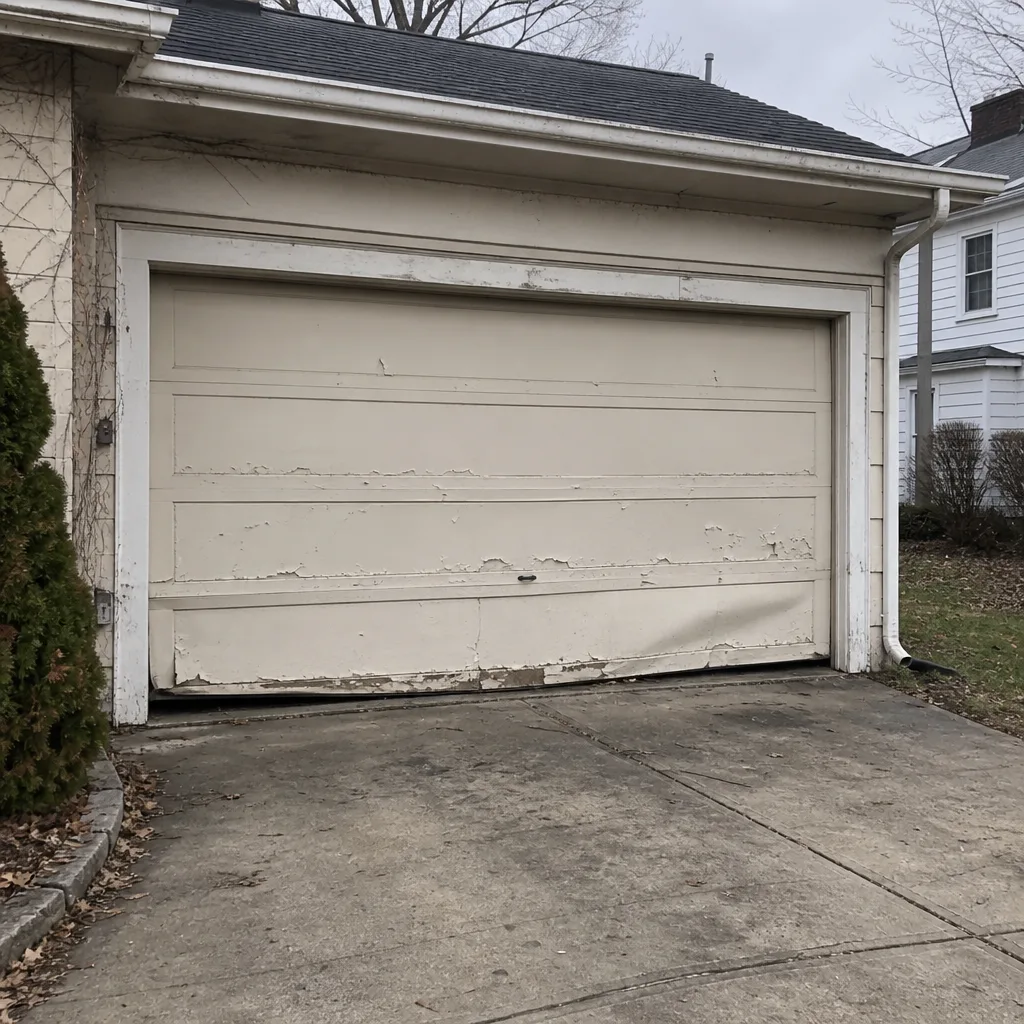 Before
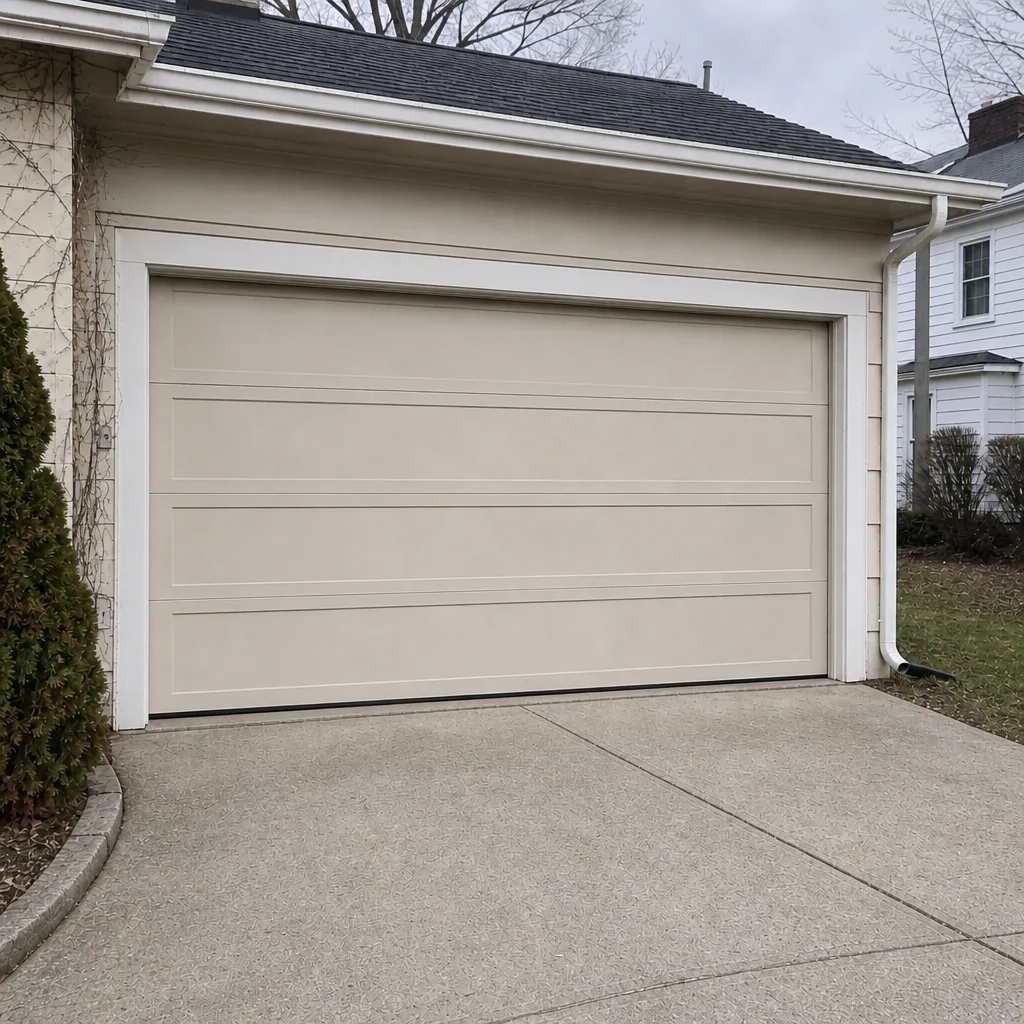 After
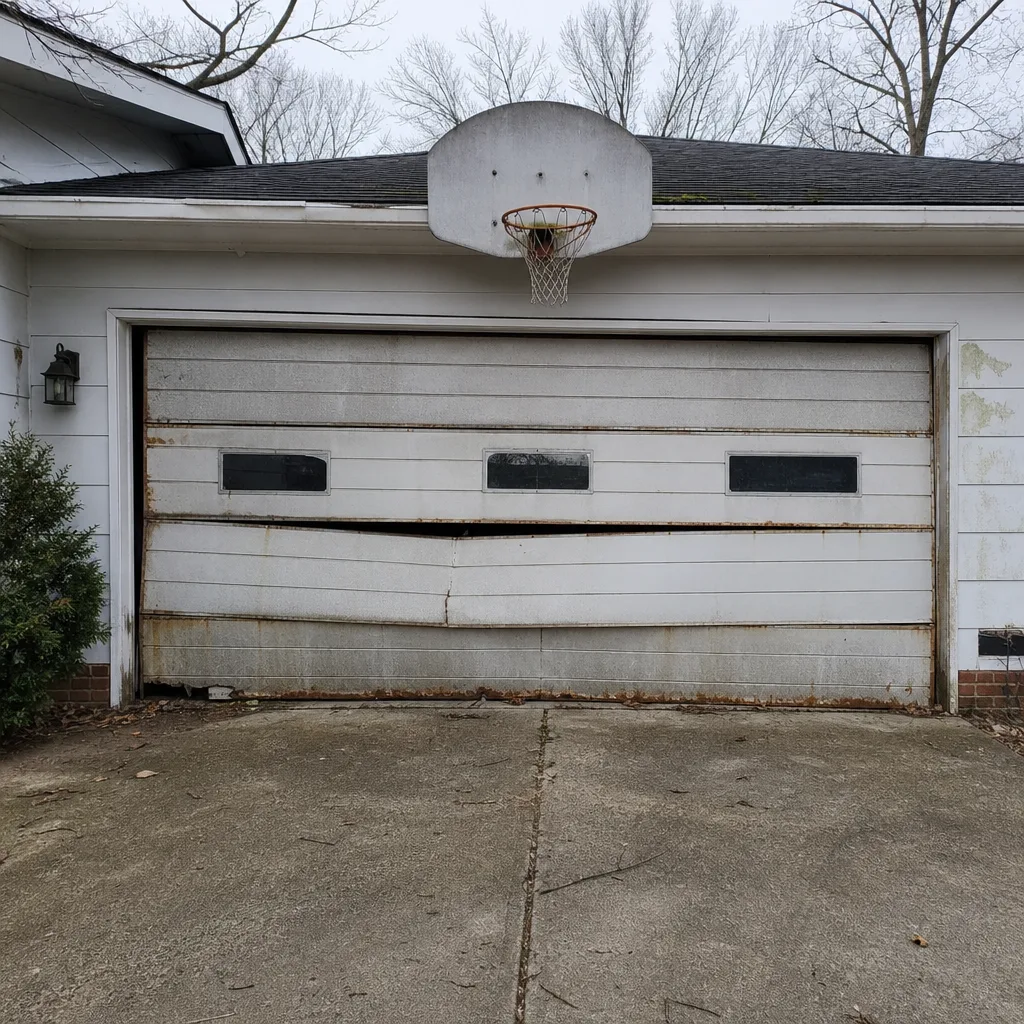 Before
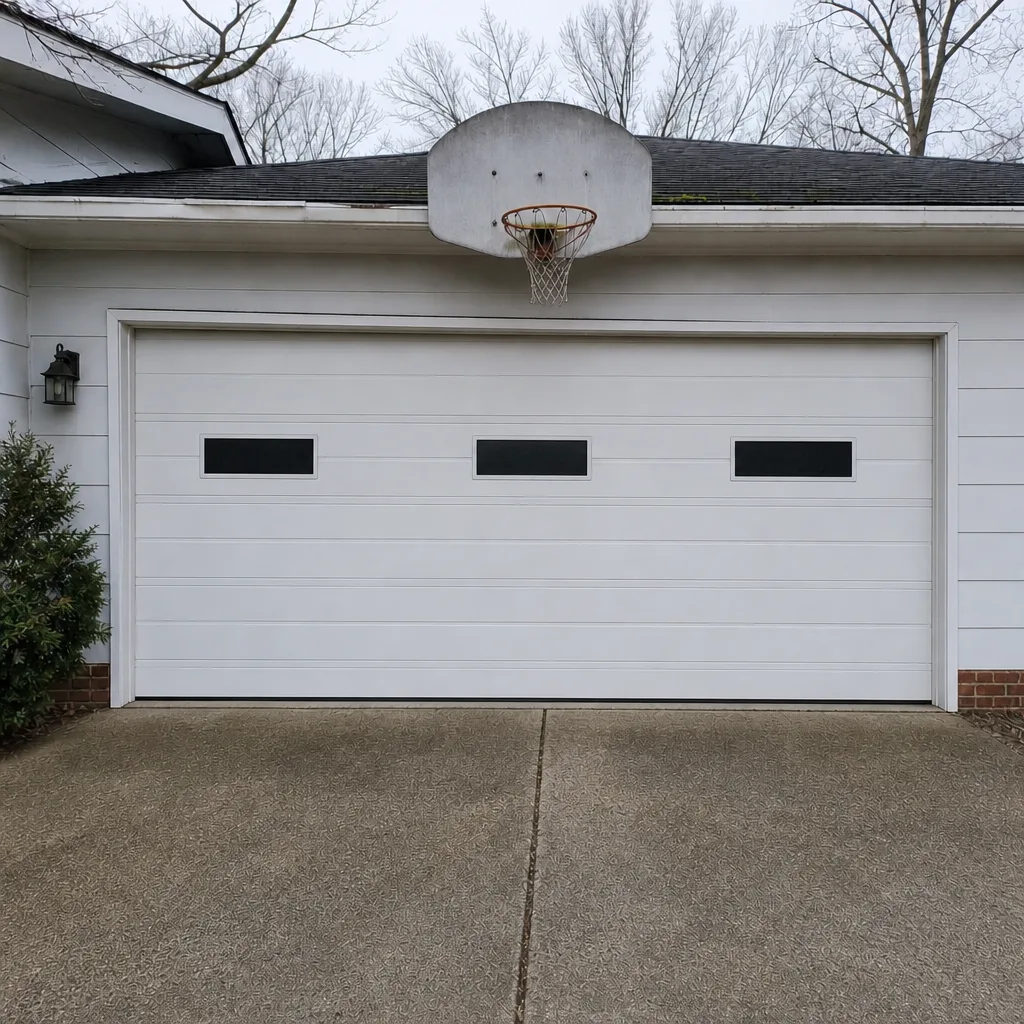 After
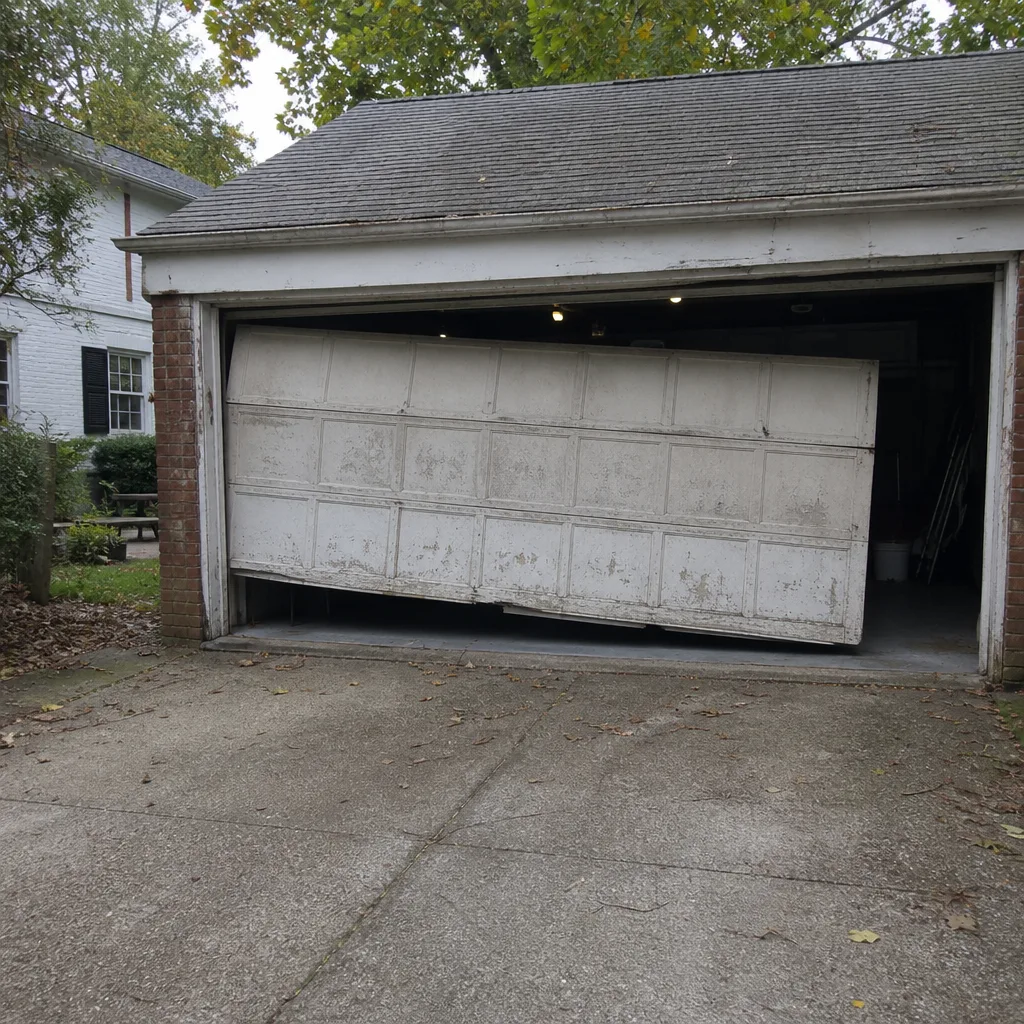 Before
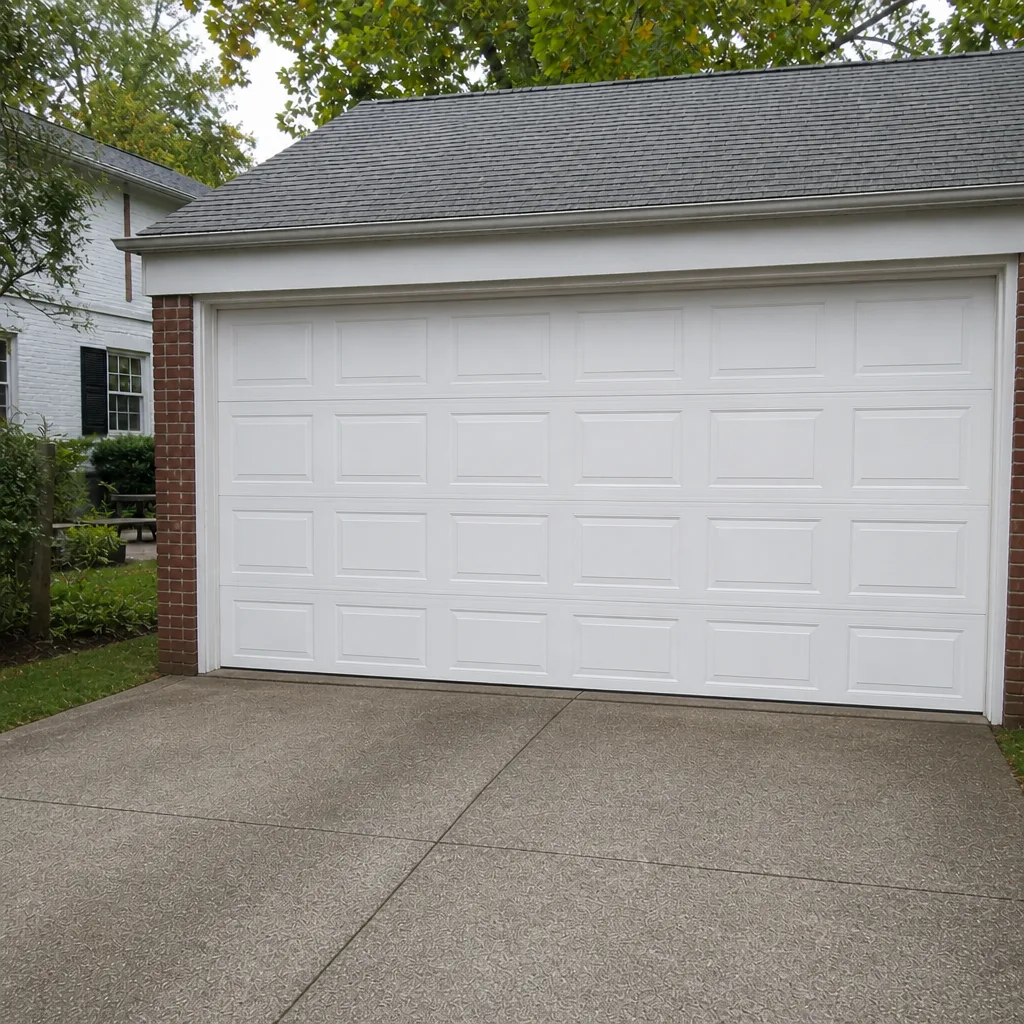 After
When to Call a Professional
Call a professional when the job crosses into the spring-and-cable zone described above. That includes any broken spring, any door that’s out of balance, any cable that’s slack or frayed, any bottom bracket issue, and any spring-loaded trolley disassembly. It also includes opener symptoms that repeat after sensor alignment and battery replacement, because diagnosing the logic board or the motor requires a diagnostic visit. If your door reverses unpredictably, sits crooked, or bangs when you open it, the door itself is telling you something, and that message is worth decoding by a trained technician rather than a parts swap.
Garage Door Repair Meridian-Kessler offers free estimates in Meridian-Kessler – call (877) 792-5753. We answer 24/7. Fast dispatch from 7am to 7pm, Sunday through Friday. The local pro is licensed and insured as their state requires, and the price is quoted and agreed before any work starts.
Frequently Asked Questions
In almost every case, no. The stored torque on a typical torsion spring is enough to seriously injure a person if a winding bar slips, and the correct tools (a matched pair of winding bars, locking pliers, a door clamp, and the right spring sizing) are what make the job safe. Without them, the failure risk is high. Call (877) 792-5753 for a free estimate; the price is written before any work starts.
A single torsion spring replacement typically runs $180 to $340 in the Meridian-Kessler market, and an extension spring replacement typically runs $140 to $260. Matched pairs are usually replaced together, so a pair costs about twice those figures. These are estimates; the written estimate sets the final price. Call (877) 792-5753 for an exact quote – estimates are free.
No. We quote and agree on the price before any work starts, and the written estimate is the price. What can change the estimate is only what’s visible on inspection – for example, if cable damage is discovered when the spring is off – and we’ll bring that to you before doing the additional work, not after.
The local pro is licensed and insured as their state requires. We connect you with vetted independent local professionals who perform the work. Our team’s technicians have up to 13 years of experience on the brands most Meridian-Kessler homes already have, including LiftMaster, Chamberlain, Genie, and Clopay. Call (877) 792-5753 for a free estimate.
For many opener problems, yes. We answer 24/7, with fast dispatch from 7am to 7pm, Sunday through Friday. A call outside dispatch hours is booked into the next opening, Sunday through Friday, 7am to 7pm. Note that a full door installation or replacement is scheduled rather than same-day, because the door is measured and ordered. Call (877) 792-5753 to check.
We cover eight of the most widely installed residential brands: LiftMaster, Chamberlain, Genie, Clopay, Amarr, Wayne Dalton, Craftsman, and Raynor. We also sell garage door parts directly, so most repairs don’t stall waiting on a third-party shipment. If you’re not sure whether your model is covered, call (877) 792-5753 with the model number and we’ll confirm before you book.
The Bottom Line
The DIY-vs-professional question isn’t really about skill. It’s about which components in the garage door system store enough energy to hurt someone if a tool slips, and that line falls at the spring-and-cable group. Painting, weatherstrip, lubrication, sensor alignment, and remote programming are all safe and worth doing yourself. Torsion springs, extension springs on older single-car Meridian-Kessler doors, cables, bottom brackets, and the spring-loaded trolley on the opener rail are not. The realistic cost math on a DIY spring job usually isn’t as favorable as it looks once you factor in the chance of a second service call, and the injury risk is the part that doesn’t show up on the receipt. Everything else is a judgment call. When you’re not sure which side of the line your job is on, ask.
Call (877) 792-5753 for a free estimate. We answer 24/7. Fast dispatch from 7am to 7pm, Sunday through Friday.
Written by the team at Garage Door Repair Meridian-Kessler.